

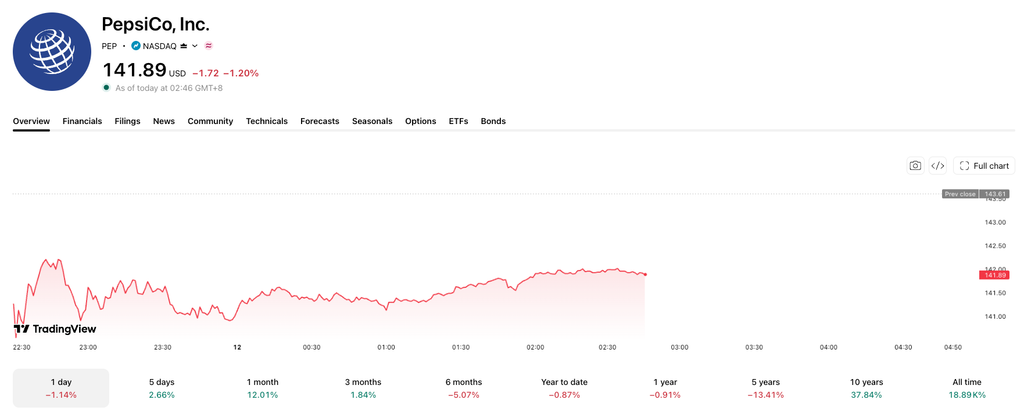
An internal memo distributed by executive leadership states that consumer goods giant PepsiCo Inc. (NASDAQ:PEP) has begun a structural workforce reduction affecting around one thousand positions across its North American operations.
A certified financial analyst at Rubinax mentioned that long-term enterprise value within consumer packaged goods portfolios relies heavily on disciplined supply chain efficiency and agile retail execution during periods of sluggish volume growth.
Chief Executive Ram Krishnan emphasized that the organizational streamlining aims to establish a more responsive operating model capable of delivering durable, long-term growth across both beverage and snack divisions.
After two consecutive quarters of weaker demand in North America, market watchers have been keeping a careful eye on the snack and beverage behemoth.
Prior efforts centered on targeted price adjustments and expanded marketing expenditures failed to generate a sustained rebound in sales volumes, prompting management to pivot directly toward structural cost optimization.
Industry analysts note that while reducing headcount can protect operating margins during a top-line slowdown, executing internal reorganizations without compromising critical retailer relationships remains a complex operational challenge.
The corporate restructuring underscores broader macroeconomic pressures impacting major consumer brands as inflation-weary shoppers exercise increased purchasing selectivity across retail channels.
Leadership remains focused on stabilizing regional volumes, improving cross-functional team coordination, and positioning the enterprise for sustainable operational efficiency across all North American distribution hubs today.
Navigating Domestic Demand Contraction and Earnings Revisions
The operational reorganization follows a challenging fiscal period during which management lowered its full-year earnings guidance due to persistent softness in the North American segment.
Third-quarter performance metrics revealed that regional beverage volumes declined by two percent, while food division revenues remained flat, signaling broad-based consumer resistance across key product categories.
Chief Financial Officer Steve Schmitt acknowledged during investor calls that volume recovery is taking longer than initially anticipated, forcing the organization to look beyond promotional discounting and advertising spend.
Although promotional price cuts and marketing campaigns were deployed aggressively, they failed to stimulate the expected demand acceleration, leaving structural cost reduction as a primary lever for margin defense.
Furthermore, recent operational streamlining has included closing select regional production facilities to eliminate excess capacity and optimize manufacturing footprints across domestic supply chains.
Scope and Execution of the North American Staff Reductions
The planned elimination of approximately one thousand jobs represents a targeted fraction of the company’s broader workforce, which spans roughly 125,000 employees domestically and 306,000 globally.
However, because the cuts are concentrated entirely within the underperforming North American division, the localized percentage impact is substantially greater than headline figures suggest.
Internal communications indicated that the reorganization is designed to eliminate organizational silos and foster tighter collaboration between beverage and snack commercial teams.
Management has not publicly detailed specific departmental allocations or individual roles slated for elimination, creating an atmosphere of heightened vigilance among retained personnel.
Corporate leaders maintain that a leaner corporate structure will enable faster decision-making and more agile responses to shifting retail trends across major grocery and convenience store networks.
Broader Corporate Layoff Trends Across Consumer Goods Sectors
PepsiCo’s workforce reduction reflects a broader corporate trend observed across consumer goods, logistics, and technology sectors, where organizations are aggressively rightsizing operations following post-pandemic adjustments.
Major multinational enterprises, including Heineken, Nike, UPS, and Amazon, have similarly executed substantial workforce reductions to counter sluggish demand and rising operational expenditures.
Economic analysts point out that many enterprises expanded headcount during periods of robust post-lockdown consumer spending, only to face margin compression as inflationary pressures altered household shopping patterns.
Implementing structural cost reductions allows these global corporations to preserve capital and maintain profitability targets despite stagnant top-line expansion in mature markets.
For displaced workers, these widespread adjustments create a competitive labor market environment as multiple major corporations simultaneously absorb or release professional talent.
Strategic Implications for Retail Execution and Long-Term Growth
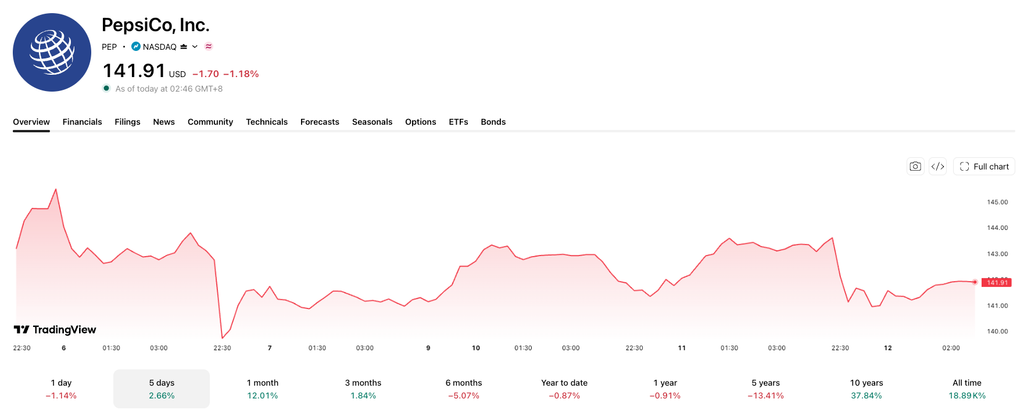
While workforce reductions successfully lower corporate overhead and protect baseline profitability, executing cutbacks without disrupting retail execution carries significant operational risks. Consumer goods manufacturers must maintain strong field teams to manage shelf placement, display priority, and inventory replenishment across major retail chains.
Reducing field personnel too aggressively can lead to increased out-of-stock instances and slower responsiveness to local merchandising opportunities, potentially conceding valuable retail floor space to aggressive competitors. Retaining core commercial capabilities remains paramount as the organization prepares for upcoming fiscal cycles.
Looking ahead, management is betting that a leaner cost structure will enable the enterprise to generate superior earnings performance once regional volumes stabilize. Detailed operational oversight ensures that capital allocation continues supporting core brand equity and long-term shareholder value creation across international markets.
Detailed financial surveillance confirms that resilient brand equity combined with rigorous operational efficiency provides the strongest defense against sector headwinds. Proactive capital allocation and disciplined management practices remain vital. Ensuring long-term enterprise resilience across competitive consumer sectors worldwide.