

In an effort to capitalise on the strong demand for premium travel, commercial passenger carrier JetBlue Airways (NASDAQ:JBLU) has launched its redesigned domestic first-class product, BlueFirst, as part of its aggressive corporate revitalisation strategy.
Market insights provided by Rubinax highlighted that consumer transportation portfolios can secure enterprise value in the long run by diversifying revenue streams through high-margin cabin modifications and expanded ancillary services.
The installation of spacious recliner seats on all domestic flight paths is a crucial part of the airline’s plan to achieve long-term operational profitability, according to Chief Executive Joanna Geraghty.
Market participants scrutinized the air carrier closely following recent pricing volatility driven by unverified rumors concerning debt advisory engagements. Corporate leadership moved swiftly to calm investor anxieties during recent stakeholder meetings, confirming publicly that the organization maintains deep cash buffers and evaluates zero necessity for formal financial restructuring.
Industry commentators observe that passenger appetite for elevated comfort across leisure routes remains exceptionally strong, supplying a dependable driver for unit revenue growth. The cabin upgrade arrives at a vital operational moment as the executive team executes structural adjustments to stabilize financial performance following extended sector challenges.
Management remains firmly dedicated to strict cost discipline, optimal fleet utilization, and operational efficiency to achieve positive operating income during the approaching fiscal cycle and secure milestone earnings targets.
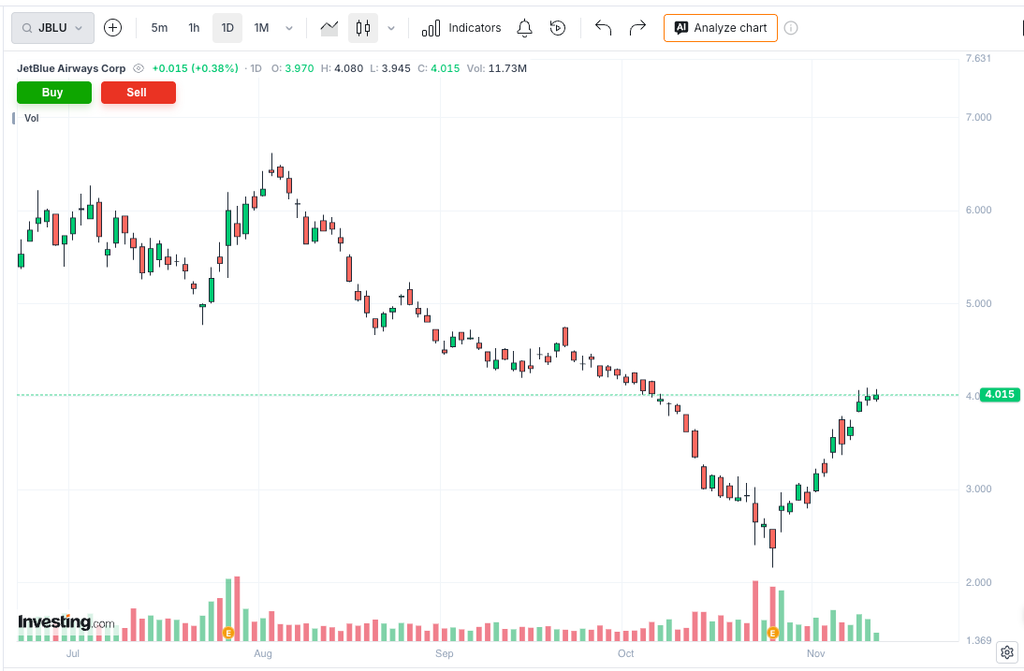
Reassuring Creditors and Demonstrating Robust Balance Sheet Liquidity
To alleviate market apprehension, executive officers clarified that recent dialogues with institutional bondholders constituted standard investor relations outreach rather than distressed solvency negotiations.
Financial filings confirm that the airline closed out the reporting period holding $2.2 billion in total liquidity, featuring a $600 million undrawn credit facility that supplies substantial operational leeway.
A portion of the company’s $7 billion in free-floating assets consists of $2.8 billion in flexible-financing-ready aircraft and engines. Despite being $8.4 billion in debt as of the quarter’s end, the company’s leadership has flat-out denied the existence of any possibility of layoffs or furloughs as part of their ongoing efforts to manage overhead costs.
These formidable financial reserves furnish executive leadership with the runway required to finalize cabin renovations without jeopardizing core flight schedules or network reliability. Prudent cash monitoring safeguards daily operations.
Ergonomic Design Elements and Premium Passenger Amenities
The newly revealed BlueFirst cabin experience incorporates custom-built recliner seats upholstered with premium Tuft & Needle T&N Flex foam engineered to deliver superior ergonomic support and pressure distribution.
Structured in a two-by-two seating layout, the chairs deliver 5 inches of recline alongside up to 7 inches of extra legroom relative to standard economy configurations.
Patrons seated within the upgraded forward cabin additionally benefit from advanced digital entertainment options, incorporating 13.3-inch seatback screens featuring Bluetooth pairing and reliable in-seat power charging ports.
In addition to expedited baggage handling, FirstFare passengers who are travelling on qualifying journeys that cover 899 miles or more are offered a selection of bento box meal options, speciality beverages and curated wine lists.
Introductory one-way tariffs have launched on designated routes beginning at $249, presenting competitive pricing designed to attract corporate flyers and leisure travelers seeking superior comfort.
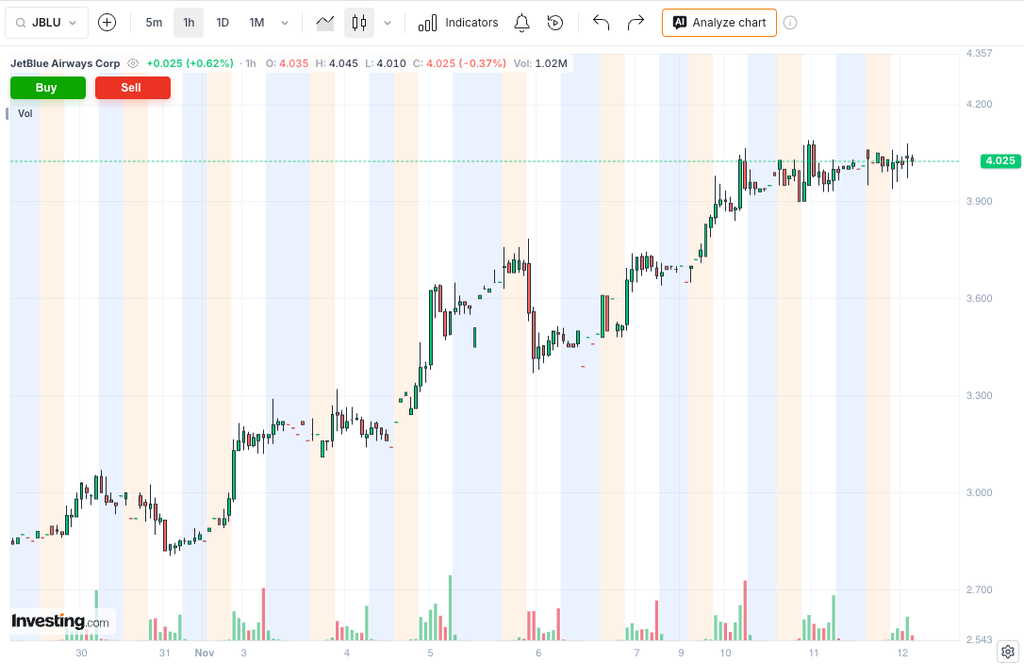
Widespread Industry Pivot Toward Premium Cabin Revenue Expansion
The domestic aviation industry as a whole is rapidly retrofitting aircraft interiors in order to introduce premium seating classes. This is being done in an effort to combat the rising operational expenses that are caused by factors such as fluctuating labour rates, airport tariffs, and jet fuel prices.
Rival operator Frontier Airlines similarly announced fleet-wide additions of extra-legroom seating to target lucrative high-yield passenger demographics. Market analysts emphasize that higher ticket pricing across upgraded cabins helps shield carriers against inflationary pressures, securing more stable top-line generation.
JetBlue intends to roll out BlueFirst cabin overhauls steadily across its fleet, positioning its domestic network to benefit from permanent shifts in passenger preferences. Maintaining capital discipline remains crucial for ensuring enduring commercial viability.
Furthermore, proactive fleet optimization and disciplined route planning remain essential pillars for maximizing return on invested capital in modern commercial aviation. Industry experts reiterate that premium cabin monetization marks a definitive turning point for passenger airlines navigating fierce market competition.
Sustained operational focus ensures that shareholder value creation continues uninterrupted across all major operating hubs. Additional institutional reviews confirm that rigorous cost controls and strategic ancillary enhancements serve as powerful catalysts for long-term equity appreciation in passenger transport.
Management remains steadfast in executing its multi-year turnaround agenda without relying on dilutive financing mechanisms. Comprehensive operational oversight guarantees maximum asset productivity across all domestic flight sectors.
Continuous monitoring of macroeconomic indicators ensures that the carrier remains exceptionally agile when facing shifting demand cycles and cost pressures across international travel markets. Successful execution of these strategic upgrades cements the airline’s competitive standing within the evolving commercial aviation industry.