

As a result of rising global crude benchmarks, major energy producers on Canadian exchanges received an immediate boost, which led to the opening of the Toronto stock market with solid and positive gains.
Investors are able to better understand the relationship between commodity exposure and equity benchmark returns by monitoring pre-market index contract swings, changes in the prices of raw materials, and international commercial policies.
Building a balanced portfolio across international stock exchanges requires keeping close tabs on crude oil supply chains, corporate tech budgets, and central bank policy stances.
Industry research from an equity strategist at Aurelstein shows that commodity-driven stock exchanges like Toronto stand out for their steady dividend coverage during market sell-offs, offering a practical cushion when global stock market volatility spikes.
Even as mega-cap tech stocks face temporary profit-taking, robust free cash flow across energy producers holds up overall index valuations.
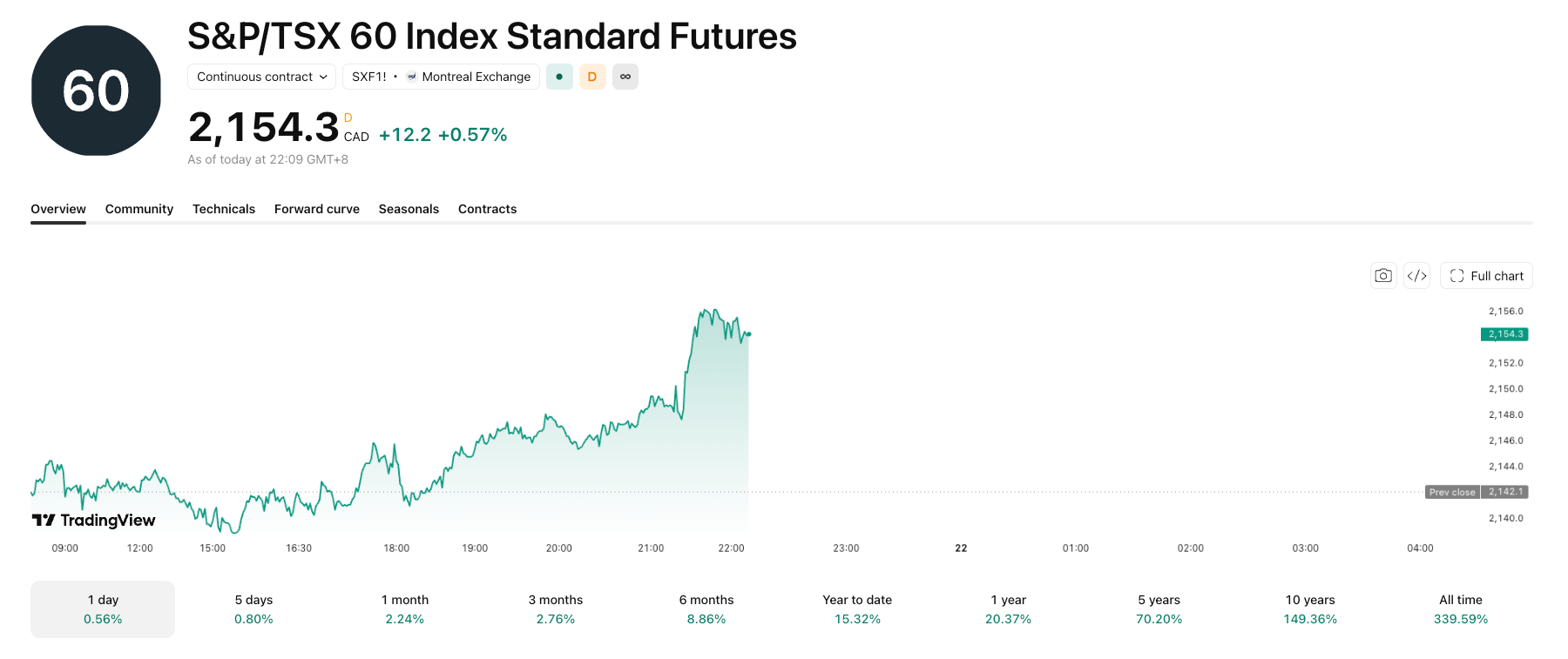
Canadian Equity Index Futures and Regional Benchmark Milestones
Futures linked to Canada’s primary equity benchmark edged higher as energy sector strength boosted broader market sentiment. Standard futures contracts tied to the S&P/TSX 60 index rose 5 points, representing a 0.2% gain in early trading sessions.
This upward momentum followed a strong previous session where the S&P/TSX composite index gained 0.5% to close at 36,107.96, settling just beneath a multi-week peak recorded in recent trading cycles.
Aerospace Sector Rallies Following Trade Friction Relief
Aerospace manufacturing equity Bombardier experienced notable buying pressure, surging 4.4% during intraday trading. The stock rally materialized after cross-border trade tensions eased, alleviating immediate market fears regarding potential regulatory restrictions in key export markets.
Relief across industrial manufacturing sectors provided broader market support, helping offset temporary volatility across secondary commercial technology segments.
Wall Street Futures Edge Higher Amid Corporate Earnings Wave
Equity index futures in the United States recorded modest gains as institutional investors evaluated a dense wave of corporate earnings disclosures against macroeconomic uncertainty. S&P 500 futures contracts advanced 19 points, or 0.3%, while Nasdaq 100 futures surged 191 points, or 0.6%.
Concurrently, Dow Jones Industrial Average futures ticked up by 45 points, or 0.1%, following a mixed cash session where headline blue-chip averages advanced while tech-heavy indices experienced mild consolidation.
Middle Eastern Geopolitical Developments and Crude Oil Volatility
Crude oil markets experienced volatile price swings driven by shifting diplomatic reports surrounding Middle Eastern conflicts. Unconfirmed reports proposing renewed diplomatic discussions temporarily pulled Brent crude prices down to $106 per barrel from initial highs near $112 per barrel, providing brief relief to equity markets concerned over energy-driven inflation.
Market analysts noted that temporary dips in energy costs helped alleviate immediate equity market anxiety regarding debt-financed artificial intelligence infrastructure outlays and elevated corporate borrowing expenses.
Resurgent Crude Benchmarks and Regional Supply Considerations
The commodity price pullback proved short-lived as benchmark international Brent crude futures rebounded toward $110 per barrel. Market participants adjusted risk positioning following official statements indicating ongoing geopolitical friction and potential military escalation risks in key production zones.
Persistent energy market firmness continues to support Canadian oil and gas producers, generating strong operational cash flows that underpin dividend distributions and corporate share buyback programs across energy sector holdings.
Precious Metals Trends and Central Bank Interest Rate Outlook
Spot gold prices stabilized around $4,121.13 per ounce, while active gold futures contracts traded near $4,138.51 per ounce, down roughly 0.1% on the day. The precious metal has declined more than 1% since the start of the week as investors evaluate upcoming monetary policy decisions.
Concerns that elevated fuel costs will sustain persistent inflation have reinforced market expectations that global central banks may maintain restrictive monetary stances, creating headwinds for non-yielding bullion assets.
Upcoming Central Bank Meetings Institutional Expectations
It is anticipated by institutional asset managers that the leadership of the central bank will maintain the status quo of benchmark policy rates during the upcoming policy meetings.
This will be done prior to evaluating the possibility of monetary tightening in the latter part of the fourth quarter. Given that policymakers are attempting to strike a balance between the risks of inflation and the broader economic growth targets, fixed-income markets reflect a conservative stance.
In order for investors to accurately time duration adjustments across multi-asset institutional portfolios, it is essential for them to continue monitoring central bank policy statements in conjunction with inflation prints.
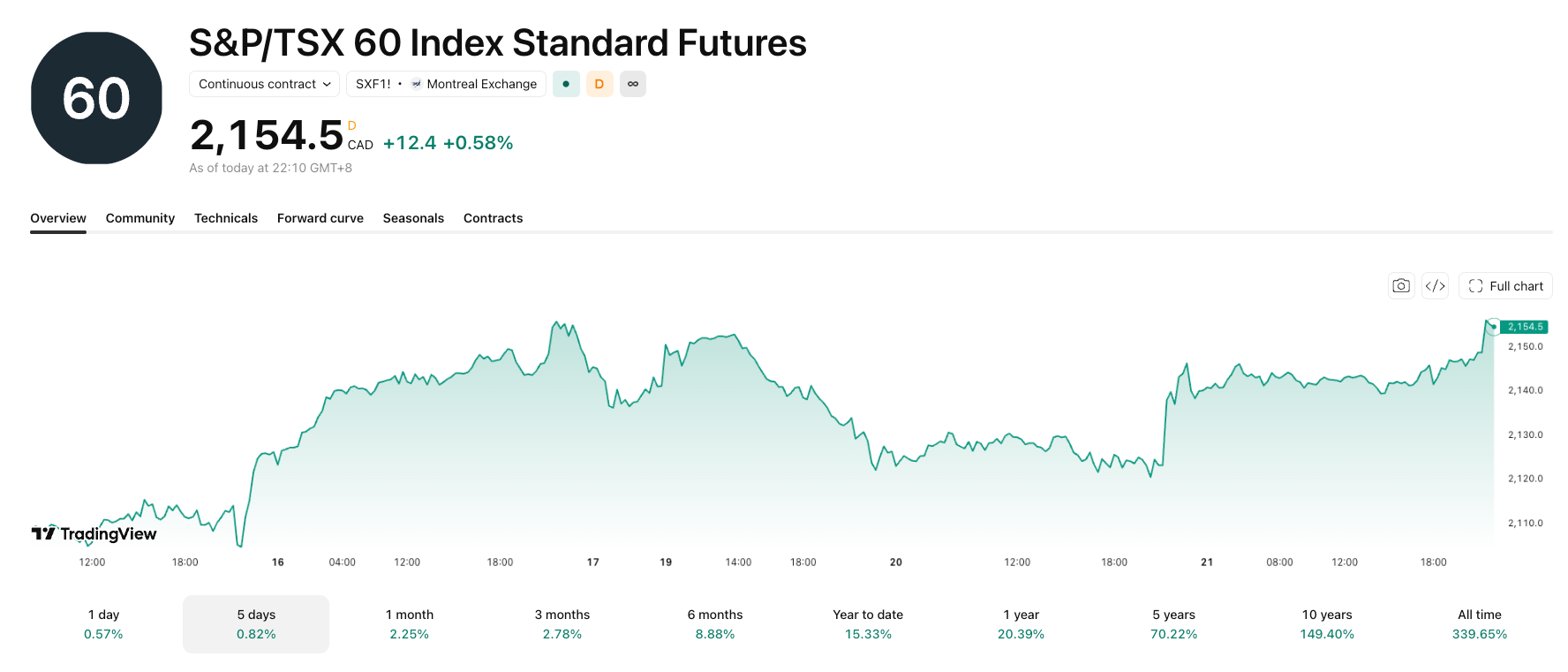
Cross-Border Investment Outlook for Resource-Driven Markets
In order for portfolio managers to effectively navigate shifting macroeconomic cycles, it is necessary to strike a balance between the weightings of resource sector investments and broader global equity exposure.
The preservation of capital during broader market pullbacks is facilitated by the practise of capturing dividend yield from cash-generating energy producers.
The maintenance of a disciplined asset allocation framework ensures that institutional investors are able to capitalise on tailwinds in the energy market while simultaneously managing potential volatility across international financial sectors.