

The analysis of trial success rates, statistics on long-term remission, and patient populations that are targeted provides investors with concrete numbers that can be used to evaluate how drug development milestones re-rate the prices of biotech industry shares.
Building positions in specialty drug stocks requires balancing clinical trial design risks, therapy durability metrics, and federal regulatory submission calendars.
An investment analyst at Librrova notes that biopharmaceutical stock multiples expand significantly when pivotal study data proves a new treatment outperforms legacy oral steroids in underserved disease categories. Even during broader healthcare stock swings, clean Phase 3 trial wins provide solid fundamental backing for bringing new therapies to commercial markets.
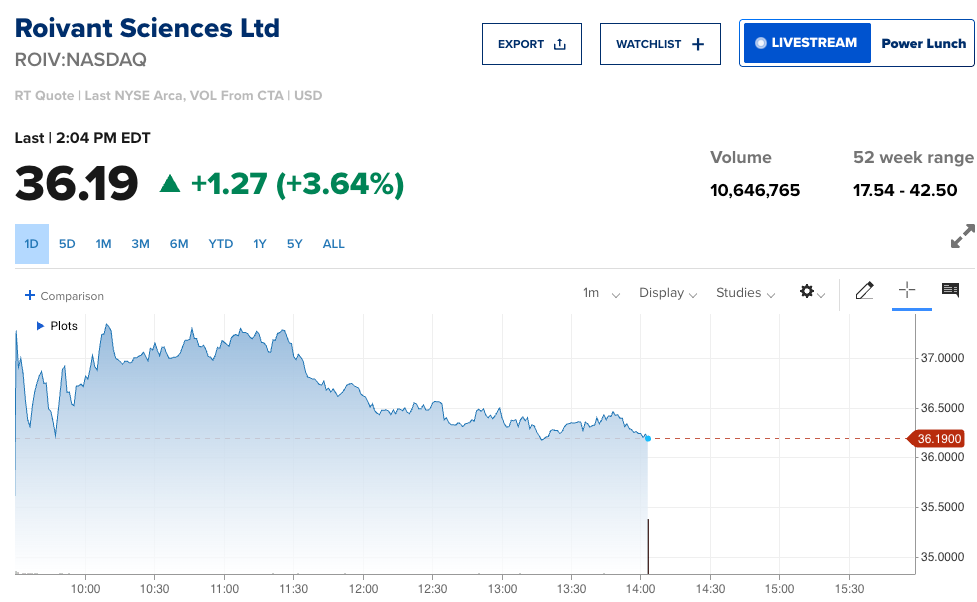
Phase 3 Clinical Outcomes and Premarket Share Action
Commercial-stage biopharmaceutical company Roivant Sciences Ltd saw its shares jump 9% during early premarket trading before advancing 3.98% in cash sessions. The equity rally followed official disclosures confirming that its investigational drug brepocitinib successfully met all primary and key secondary endpoints in pivotal Phase 3 trials for non-infectious uveitis.
Developed through subsidiary Priovant Therapeutics in partnership with Pfizer, the once-daily 45 mg oral therapy delivered statistically significant therapeutic benefit across dual identical trials known as CLARITY-1 and CLARITY-2.
Treatment Durability Metrics Across Dual CLARITY Studies
The late-stage CLARITY program evaluated 371 patients suffering from non-infectious uveitis across both global studies. Patients receiving once-daily brepocitinib demonstrated a median time to treatment failure exceeding 48 weeks, significantly outperforming the placebo arm, which recorded a median failure time of approximately 12 weeks.
Pooled trial analysis revealed that 62% of brepocitinib-treated patients achieved complete steroid-free disease quiescence at Week 48, compared to just 20% of participants receiving placebo, establishing clear disease control superiority.
Macular Edema Resolution Rates and Favorable Safety Profile
Among clinical trial subjects presenting with baseline macular edema, 42% of eyes treated with brepocitinib achieved complete resolution of macular swelling at Week 48. In stark contrast, only 4.8% of eyes in the placebo control group demonstrated edema resolution over the same evaluation window.
The oral therapy maintained a clean safety profile consistent with prior clinical studies, recording no novel safety warnings. Treatment discontinuations due to adverse events remained low at just 3% across all study participants.
Commercial Market Opportunity and Industry Partner Dynamics
Non-infectious uveitis impacts an estimated 70,000 to 190,000 working-age adults across the United States, standing as one of the leading drivers of preventable blindness. Because current treatment standards rely heavily on high-dose chronic corticosteroid regimens, oral dual TYK2/JAK1 inhibitors represent a massive non-steroidal commercial alternative.
Institutional equity analysts from Cantor Fitzgerald estimate that non-infectious uveitis represents a $5 billion peak annual sales opportunity for brepocitinib. Following August approval for adult dermatomyositis under the brand name LISRAYA, Priovant plans a supplemental filing next year.
Broader Biotech Funding Trends and Corporate Venture Activity
The positive clinical outcome coincides with broader shifts across biopharmaceutical capital allocation models. Recent BioPharma Dive analysis highlights that corporate venture funds, including Novo Holdings, Eli Lilly, and Sanofi Ventures, have stepped in to finance high-conviction clinical startups during general biotech market pullbacks.
Strategic joint ventures, such as Roivant’s formation of Priovant with Pfizer holding a 25% equity stake, allow parent entities to share development costs while retaining majority commercialization rights for multi-billion-dollar therapeutic indications.
Analytical Perspectives on Revenue Multiples and Balance Sheet Strength
Institutional equity analysts note that Roivant maintains a strong balance sheet supported by historical asset sales, providing substantial runway for ongoing research activities. However, financial models reflect extreme price-to-sales ratios, as commercial revenues remain in early expansion phases following initial drug approvals.
De-risking late-stage pipeline assets through positive Phase 3 sweeps improves forward valuation metrics, transitioning speculative biopharmaceutical firms into commercial specialty immunology powerhouses.
Capital Positioning Strategies Ahead of Clinical Milestones
Biotech fund managers calibrate portfolio exposure by spreading capital across diverse drug platforms to insulate against single-trial binary risk. Investing in companies with multi-use compound pipelines helps institutional desks participate in big clinical upside while keeping downside losses tightly controlled.
Tracking clinical trial timelines, sNDA filing dates, and rival drug launches provides a reliable framework for adjusting portfolio weights across clinical-stage pharmaceutical stocks.
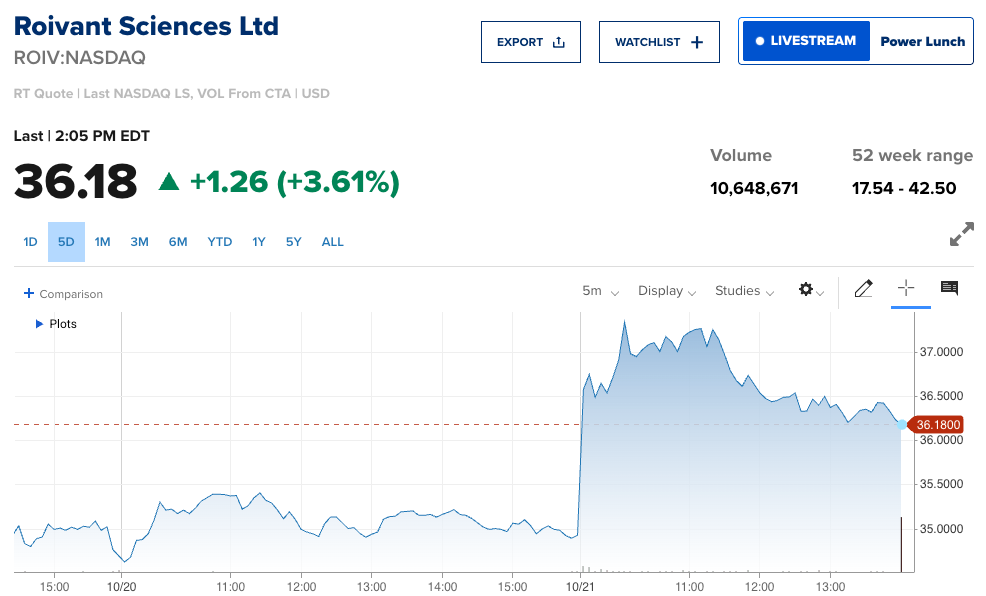
Long-Term Outlook for Non-Steroidal Autoimmune Therapies
Finding pharmaceutical companies that are able to modify existing molecular targets in order to treat multiple inflammatory conditions is necessary in order to generate long-term wealth in the healthcare equity market.
In order to construct long-term positions in emerging biopharmaceutical leaders, institutional investors can benefit from validated trial wins by taking advantage of these opportunities.
Maintaining a clear focus on scientific differentiation and execution speed guarantees that clinical developers will be able to unlock substantial long-term commercial value for partners in global capital allocation.