

Shares of small-cap technology infrastructure providers experienced intense premarket buying interest after executive leadership initiated an aggressive share repurchase program following a major asset divestiture.
Breaking down modified Dutch auction tender parameters, preliminary quarterly earnings guidance, and net cash balance ratios provides vital quantitative context on how strategic share repurchases alter enterprise valuation metrics.
Understanding premium buyout price ranges, liquidity reserves in the balance sheet, and reductions in residual share float are crucial for navigating corporate capital return announcements.
A senior equity analyst at Librrova mentioned that aggressive self-tender offers backed by substantial cash reserves provide immediate price support while significantly boosting per-share financial metrics for non-tendering investors. Even as micro-cap tech equities face general market volatility, targeted share reduction initiatives establish strong valuation floors.
Modified Dutch Auction Launch and Price Premium Mechanics
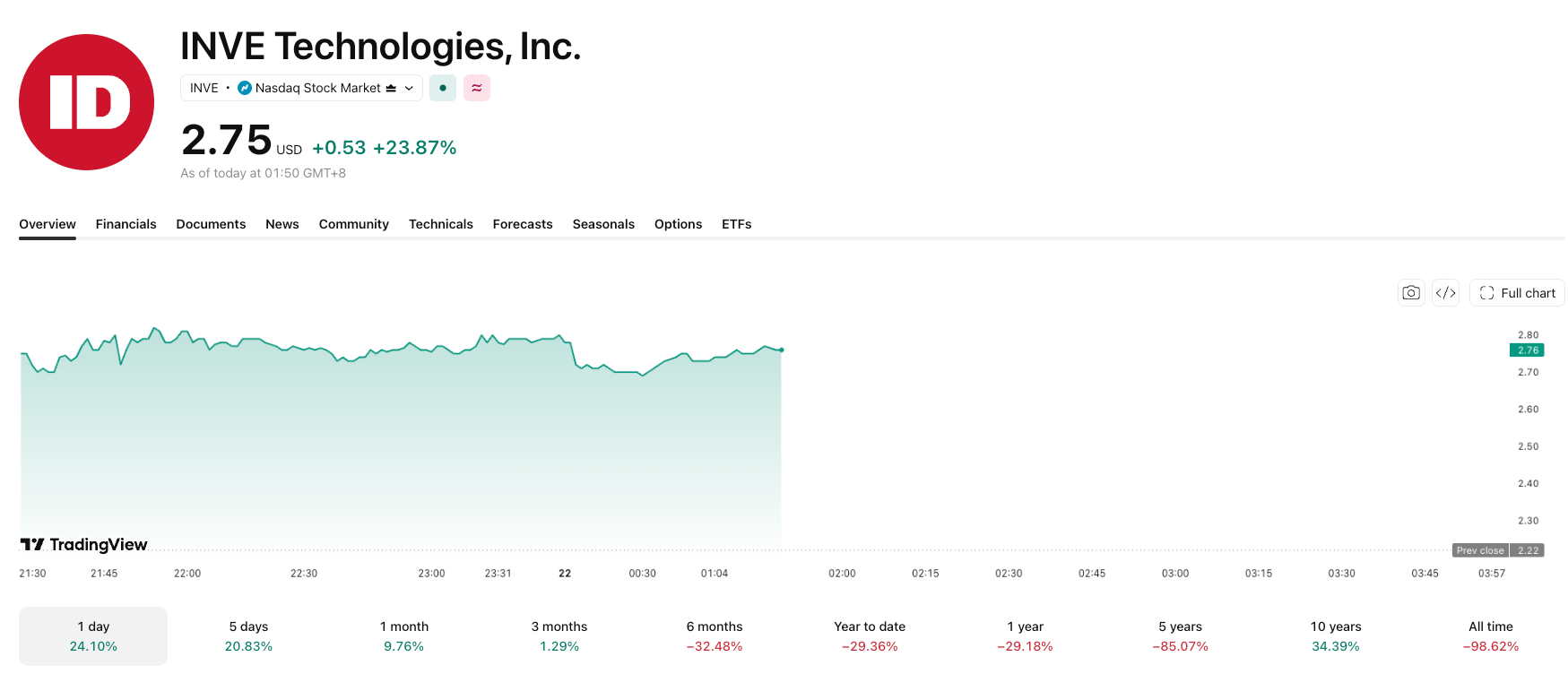
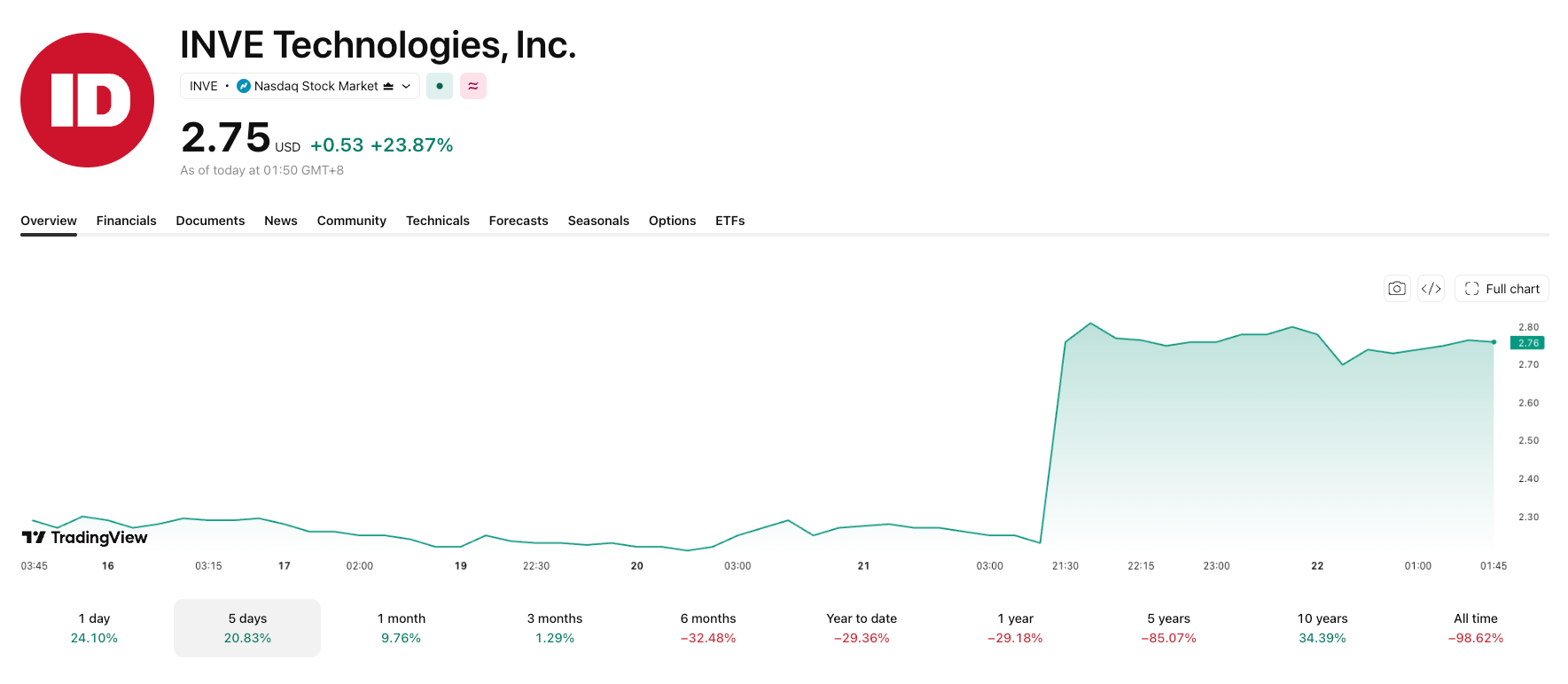
Micro-cap technology firm INVE Technologies Inc saw its shares surge 20.3% in premarket action before extending gains to 23.65% at $2.75 per share following news of a $20 million self-tender offer. The company launched a modified Dutch auction allowing registered shareholders to tender common stock within a price corridor of $2.85 to $3.40 per share.
The tender price spectrum represents a substantial premium ranging from 28% to 53% over the prior closing price of $2.22 per share, setting a defined near-term valuation anchor for equity holders.
Share Reduction Impact and Capital Program Parameters
If fully subscribed at the clearing price, the self-tender will retire approximately 24.7% to 29.4% of the enterprise’s total outstanding common stock. The transaction represents an initial capital deployment phase under a broader $40 million buyback authorization approved by the board of directors.
Board Chairman James Ousley noted that the capital return initiative fulfills corporate commitments made to equity holders following the successful closing of a major asset sale transaction with Trackonomy Systems Inc.
Preliminary Third Quarter Revenue and Margin Projections
Alongside capital allocation updates, the company released preliminary unaudited third-quarter financial projections. Management projects quarterly revenue between $2.9 million and $3.1 million, accompanied by gross profit margins landing between 18% and 19%.
Net income for the three-month period is estimated between $0.4 million and $0.8 million, translating to earnings per share ranging from $0.01 to $0.02 per share, reflecting early operational stabilization post-asset sale.
Balance Sheet Liquidity Reserves and Corporate Transaction Details
The company reported a strong liquidity position as of quarter-end, holding a total cash balance of $87.1 million. Management confirmed that internal cash on hand will fully fund the $20 million share tender alongside all associated legal and advisory expenses without external debt financing.
The preliminary financial results directly incorporate the financial impacts of the asset transaction completed with Trackonomy Systems Inc in mid-September.
Insider Retention Alignment and Advisory Execution Partners
In a notable vote of operational confidence, corporate directors and executive officers confirmed they do not intend to tender any personal equity holdings into the offer. Excluding insider holdings from the buyback increases board ownership percentages post-tender while shrinking the public float.
Investment banking firm Craig-Hallum Capital Group LLC is acting as the exclusive dealer manager overseeing the execution of the Dutch auction tender offer. Final third-quarter earnings disclosures are scheduled for release around mid-November.
Additional Micro-Cap Tech Buyback Activity Across Wall Street
In related market developments, small-cap technology peers have increasingly turned to tender offers to return excess cash from non-core asset sales. Corporate actions across the sector reflect a broader trend where micro-cap management teams leverage depressed equity valuations to retire substantial share blocks rather than pursuing dilutive acquisitions.
Industry analysts observe that companies executing buybacks above 20% of outstanding shares typically experience lower equity volatility and improved per-share metric comps in subsequent reporting periods.
Capital Deployment Frameworks for Corporate Restructuring Plays
Dislocations in valuation caused by unexpected infusions of capital are something that portfolio managers keep an eye out for when they divest micro-cap assets. Specialised institutional funds can take advantage of asymmetric risk-reward profiles by building holdings in debt-free technology companies that are trading at prices below their net cash values.
To evaluate the efficiency of capital return across micro-cap equities that are undergoing restructuring, it is necessary to track cash conversion rates, tender subscription levels, and changes in insider holdings.
The Future of Highly Liquid Micro-Cap Stocks
Disciplined assessment of balance sheet cash durability versus ongoing burn rates is necessary to extract maximum value from corporate restructurings. Institutional investors can take part in quick capital returns through strategic tender windows while still having a chance to profit from simplified core operations.
Even as public equity markets experience larger macroeconomic shifts, cash-rich technology companies can be certain that they will continue to generate substantial per-share value by adhering to capital allocation discipline.