

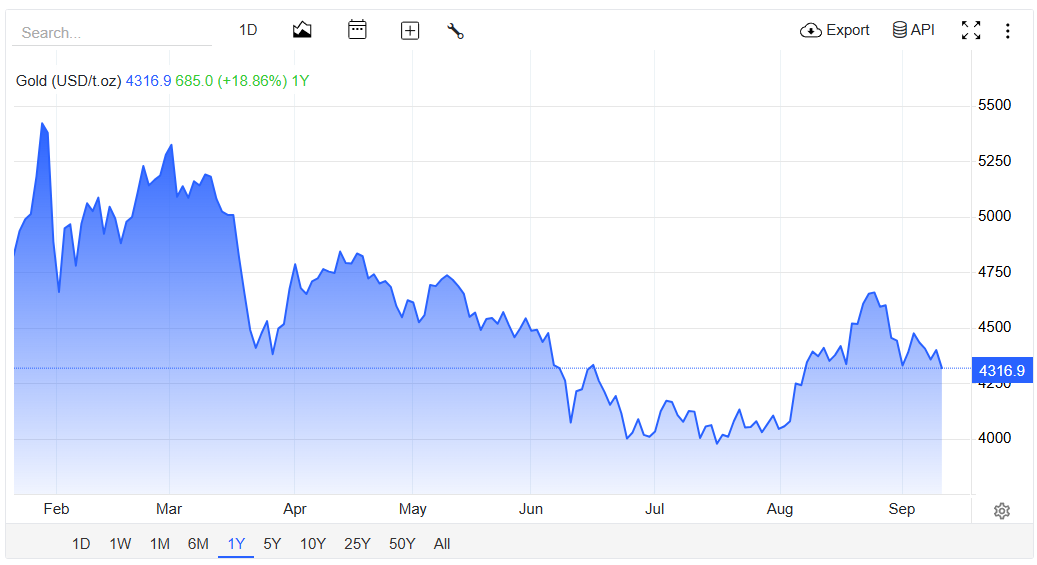
Precious metal markets are demonstrating notable resilience, with Gold (XAU-USD) holding firm above the $4,400 threshold following a rebound from recent weekly lows near $4,350.
Bullion buyers are closely evaluating incoming macroeconomic catalysts, specifically focusing on forthcoming United States inflation metrics, including the Producer Price Index and Consumer Price Index reports.
While shifting currency valuations and central bank interest rate expectations create a complex trading environment, underlying safe-haven demand continues to support the yellow metal.
Navigating commodity price fluctuations requires disciplined risk management and strategic asset allocation. An investment analyst AchievementsAI highlighted that long-term enterprise value within precious metal portfolios depends heavily on recognizing how macroeconomic inflation prints influence central bank monetary policy.
Although geopolitical tensions and energy price volatility inject near-term uncertainty, institutional investors continue utilizing bullion as a primary hedge against currency devaluation.
Analyzing Treasury Market Intervention And Yield Volatility
A primary driver supporting gold’s recent recovery involves recent intervention measures deployed by the United States Treasury Department to stabilize the domestic bond market.
Federal authorities announced plans to increase bond buybacks to $6 billion, followed by baseline ongoing operations of at least $4 billion, successfully restoring liquidity to fixed-income sectors.
Despite these stabilizing actions, long-dated Treasury yields experienced heightened volatility, climbing as much as 5 basis points before moderating. This upward trajectory in sovereign debt yields failed to bolster the U.S. Dollar, creating favorable tailwinds for non-yielding precious metals.
Evaluating Federal Reserve Rate Expectations And Currency Headwinds
Beyond fiscal market maneuvers, the Greenback faces mounting downward pressure from shifting monetary policy expectations regarding upcoming Federal Reserve rate decisions.
Market consensus polls indicate that approximately 70% of economists anticipate the central fund rate will remain unchanged within the 3.50% to 3.75% range, marking a notable decline from prior hawkish projections.
This dovish policy adjustment diminishes the opportunity cost of holding non-interest-bearing bullion, encouraging institutional participants to maintain constructive long positions despite broader currency cross-currents.
Assessing Energy Market Pressures And Geopolitical Risks
At the same time, the escalating geopolitical conflicts taking place across the Middle East continue to put upward pressure on the prices of crude oil around the world, which has brought about new concerns regarding inflation within the commodity complex.
When it comes to determining whether or not energy-driven cost pressures will force policymakers to reintroduce aggressive monetary tightening measures, traders are actively carrying out their analysis.
As a consequence of this, participants in the precious metals market view the forthcoming consumer and producer inflation readings as decisive indicators for determining whether or not energy spikes will permanently alter the rate trajectories of the central bank.
Interpreting Consensus Inflation Projections And Market Impact
Market forecasts suggest that headline annual Producer Price Index figures will climb to 5.3%, up from the previous reading of 4.7%, while core inflation metrics are projected to accelerate toward 4.6%. Commodity strategists emphasize that precious metals remain locked in a tight consolidation pattern while awaiting these definitive data releases.
Industry analysts note that an upside inflation surprise could validate hawkish monetary policy expectations and apply temporary downward pressure on gold, whereas moderate readings could ignite fresh institutional capital inflows.
Technical Moving Average Analysis And Momentum Indicators
From a technical perspective, spot gold continues to trade near $4,412.18, maintaining a constructive near-term bias above foundational support levels. The metal is holding comfortably above its 50-day simple moving average near $4,267 and the 100-day simple moving average near $4,340, signaling persistent dip-buying interest during consolidation phases.
Conversely, the 21-day simple moving average near $4,463 represents the immediate overhead resistance barrier, while the 200-day simple moving average near $4,538 serves as the broader structural trend hurdle.
Examining Relative Strength And Downside Support Boundaries
Momentum indicators reflect neutral-to-positive conditions, with the 14-day Relative Strength Index hovering around 51, signaling modest buying pressure rather than overextended market extremes.
On the downside, initial technical protection is anchored near the 100-day simple moving average at $4,340, with deeper pullbacks expected to find robust buying demand near the 50-day simple moving average at $4,267.
Maintaining these technical floors ensures that the broader bullish market structure remains intact across upcoming trading sessions.
Precious Metal Takeaways and Strategic Investment Horizons
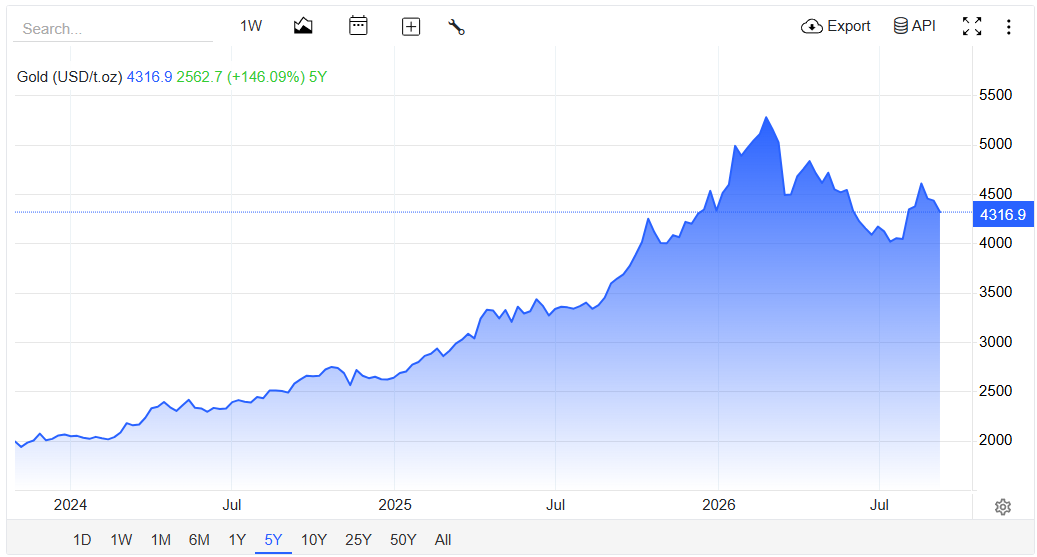
By analyzing the intersection of central bank interventions, technical moving averages, and upcoming inflation reports, one can gain a better understanding of the complex dynamics that govern gold valuations.
As institutional investors attempt to strike a balance between currency debasement hedges and shifting expectations regarding the Federal Reserve’s interest rate, it is of the utmost importance to maintain diversified exposure.
Over the course of volatile commodity cycles, the success of a portfolio will be determined by monitoring both the releases of macroeconomic inflation and the thresholds provided by technical support.