

Treasury markets delivered a sharp reminder this week of how deeply bond pricing shapes equity valuations. The 10-year Treasury yield jumped to 4.78%, its highest mark since early last year, immediately following a stronger-than-expected August nonfarm payrolls report. The 2-year yield moved in tandem, also touching territory not seen since early last year within the same trading session.
A senior financial analyst from Chilli Markets frames this week’s bond reaction as the most important signal equity investors received all week.
Every valuation model used to price stocks relies on a discount rate, and that rate now sits meaningfully higher than it did just days earlier. Investors who grasp why yields jumped, and how different sectors respond to that shift, hold a real advantage over those simply watching headline index moves.
The Mechanics Behind the Move
The link between Treasury yields and stock valuations works through arithmetic, not sentiment. As the risk-free rate climbs, every dollar of future corporate earnings gets discounted more heavily when calculated back to present value. That discounting effect touches every publicly traded company simultaneously, though not equally.
Consider a stock priced at 30 times forward earnings. That valuation looked reasonable when Treasuries yielded near 2%, since equities offered a clear return advantage over safer alternatives. At 4.78%, the calculus shifts substantially, and the stock must offer a higher expected return to remain competitive with a virtually risk-free bond.
Growth-oriented technology names absorb the brunt of this repricing because their profits sit furthest out on the calendar. A company projected to hit peak earnings several years from now sees those distant profits shrink dramatically once discounted at a higher rate. A utility generating steady, near-term cash flow experiences a far gentler adjustment by comparison.
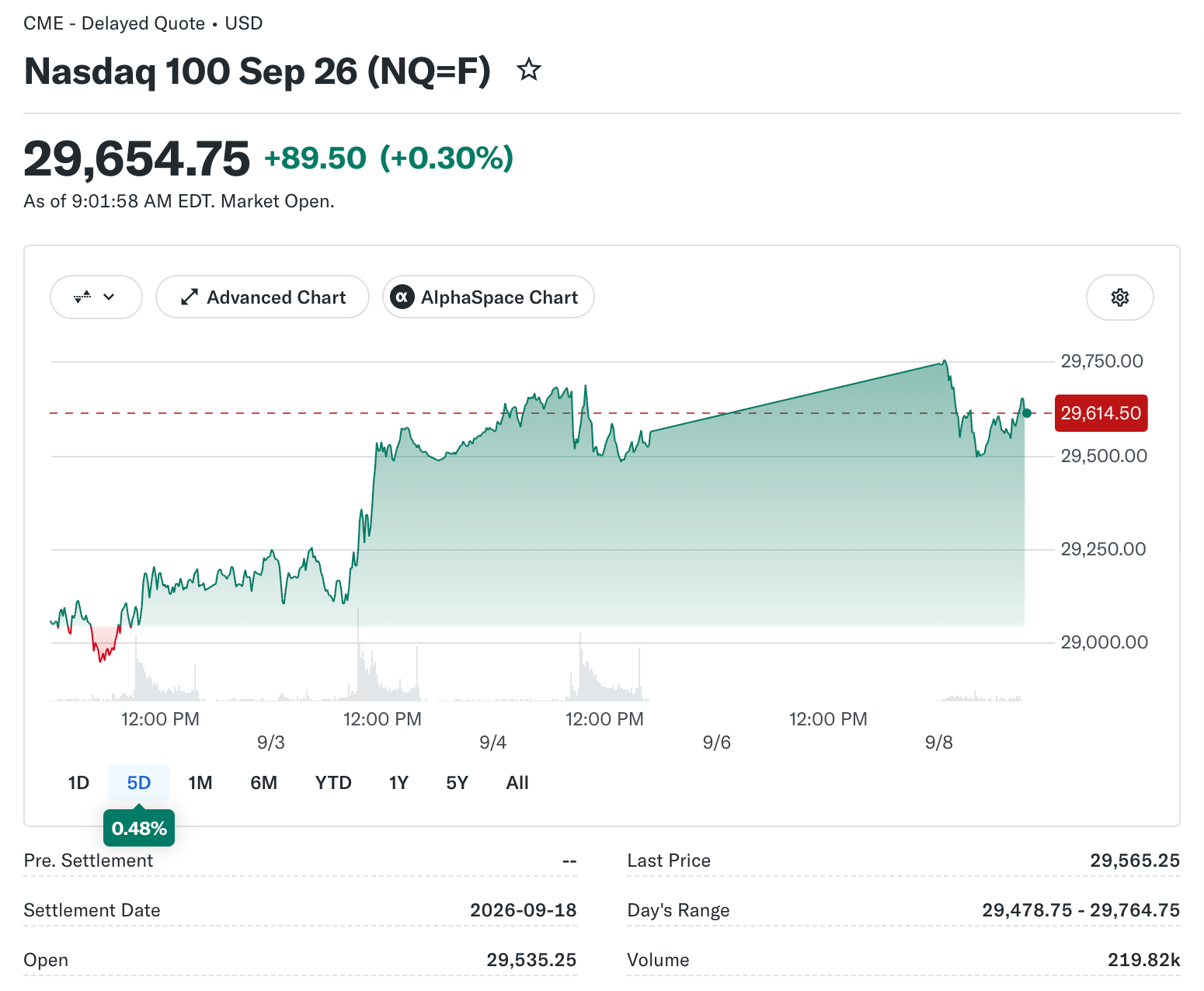
This explains why the Nasdaq declined more sharply than defensive benchmarks in the sessions that followed the jobs report. No fundamental change occurred at the underlying companies themselves. The math of discounting simply produced a lower present value across growth stocks almost automatically.
What the 2-Year Note Reveals About Fed Expectations
Among Treasury maturities, the 2-year yield offers the clearest window into what bond traders expect from the federal funds rate over the near term. Its jump to a multi-year high right after the payrolls release tells a specific story. Bond market participants collectively raised both how high they expect rates to climb and how long elevated policy might persist.
CME FedWatch data captured that shift precisely. The probability assigned to a September rate increase jumped to 58% immediately following the August jobs numbers. The prior session had priced that same probability at only 49.4%.
That nine-percentage-point swing within a single trading day represents a meaningful repricing event. Such moves ripple outward well beyond Treasuries themselves, touching equities, corporate credit, and real estate investment trusts almost instantly. Markets rarely reprice rate expectations by that magnitude in such a short window without producing broader consequences.
Dollar Strength Sends Effects Worldwide
The US Dollar Index climbed to 99.16 as higher yields drew capital toward dollar-denominated assets. Currency strength of this kind rarely stays contained to foreign exchange markets alone. It travels through corporate earnings, commodity pricing, and international capital flows almost immediately.
American multinationals face a direct earnings headwind when the dollar strengthens, since overseas revenue converts back into fewer dollars upon repatriation.
Commodity markets typically respond in the opposite direction, since most raw materials are priced in dollars globally. A stronger currency generally makes those commodities pricier for buyers transacting in other currencies, which tends to soften demand and prices together.
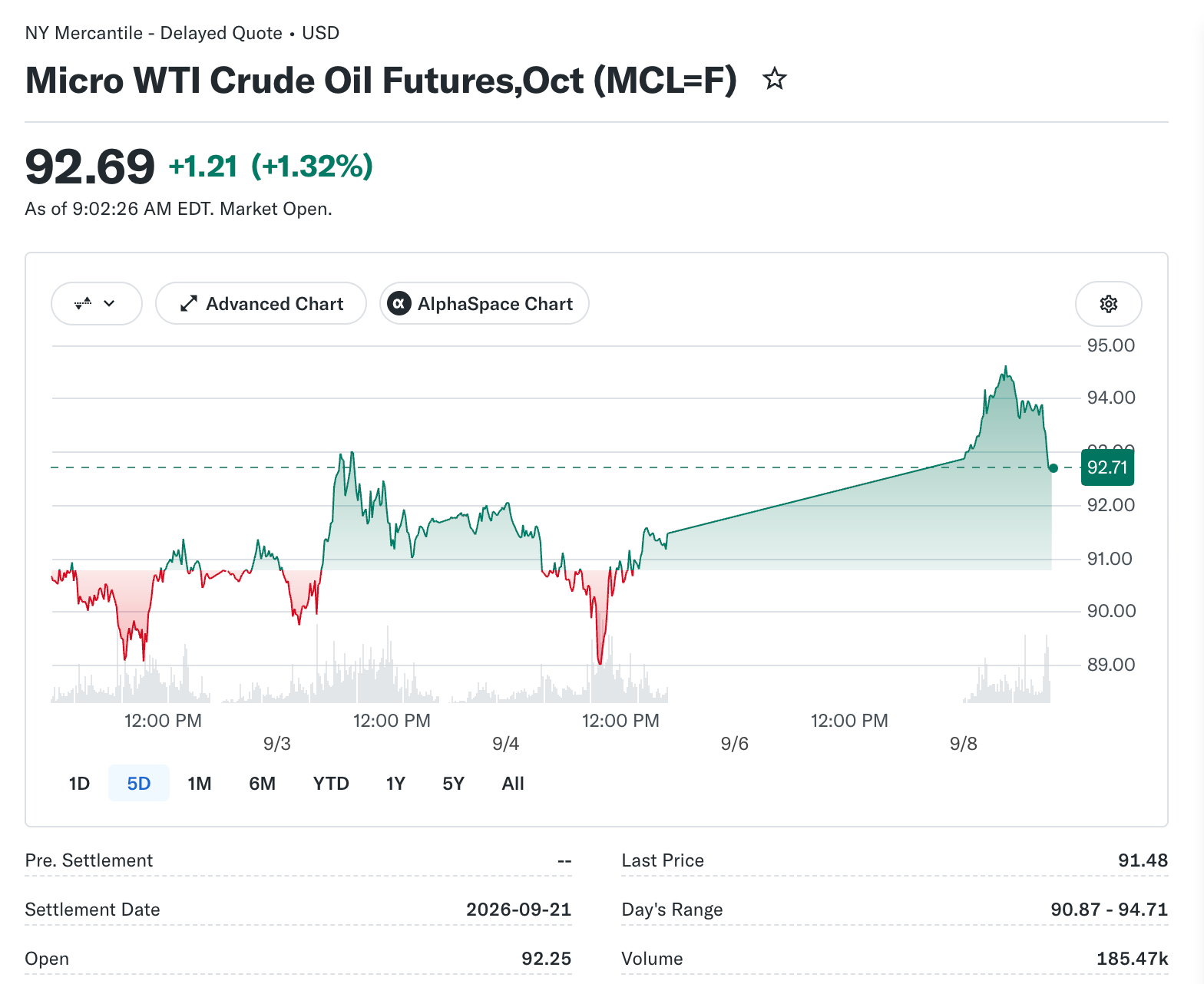
Oil has defied that pattern somewhat this week. WTI crude held above $90 per barrel even as the dollar strengthened, a divergence explained by the ongoing geopolitical premium tied to the Iran conflict. Supply-side fear is currently overpowering the dollar’s usual downward pull on commodity prices.
Positioning Ahead of the September Decision
The 4.78% level on the 10-year note reflects a specific consensus about where policy is headed, embedded directly into current bond prices. Should the Federal Reserve raise rates at its upcoming September meeting, yields could climb further still as traders begin pricing subsequent increases.
A decision to hold steady despite the strong payrolls data could instead trigger a reversal, easing pressure on equity valuations across growth sectors. That binary outcome now stands as the single most consequential variable facing both bond and equity investors heading into the meeting.
Sector-level positioning ahead of that decision matters considerably, since growth and value names are likely to respond in sharply different directions depending on the outcome. Investors who map out which sectors benefit under each scenario, and adjust exposure before the announcement rather than reacting afterward, tend to navigate this kind of binary event with considerably better results.