

Platform for international business payments Nayax Ltd. (NASDAQ:NYAX) saw its equity shares rise about 6% in trading sessions after a quarterly financial report that mixed a missed top-line revenue target with an improved full-year outlook.
After management’s big acquisition, the market responded positively to its strategic expansion into smart parking infrastructure. The worldwide fintech enterprise has strong underlying support across digital commerce markets worldwide, according to executive leadership, who highlighted record gross margins and recurring revenue growth.
Thoroughly analysing transaction volumes and processing margin retention is essential for navigating fintech equities through active corporate expansion cycles.
A stock market analyst at Librrova highlighted that long-term enterprise value within digital payment portfolios depends heavily on maintaining high SaaS retention rates and successful cross-selling integration.
Global financial markets are currently seeing disciplined institutional investors establishing durable valuation floors through aggressive full-year guidance revisions, even though quarterly earnings misses can cause temporary pricing friction.
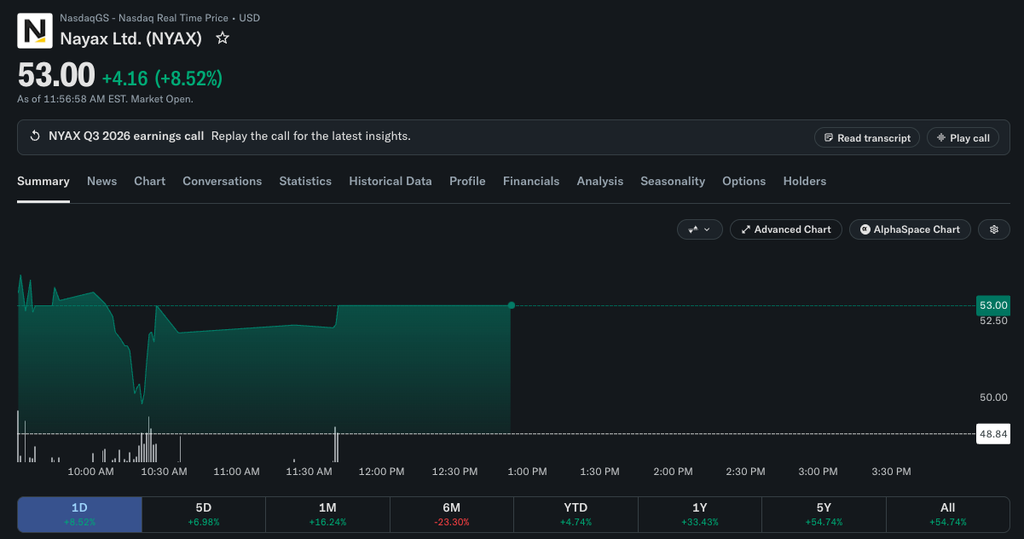
Quarterly Financial Performance and Revenue Metrics
The Herzliya-based fintech enterprise reported third-quarter revenue of $128.0 million, representing a robust year-over-year increase of 23% compared to $104.3 million in the prior-year period.
Despite this double-digit top-line expansion, total revenue fell short of consensus Wall Street analyst estimates, prompting initial short-term caution across retail trading desks and commercial funding platforms today.
Expansion of Recurring Software and Processing Fees
Recurring revenue derived from Software-as-a-Service subscriptions and payment processing fees expanded 21% year-over-year to reach $93.5 million.
This high-margin recurring stream accounted for 73% of total corporate revenue, underscoring the enterprise’s sticky subscription business model across unattended payment terminals worldwide and commercial customer networks.
Record Gross Margins and Processing Efficiency Gains
Profitability metrics exhibited substantial underlying strength, with gross margins achieving a record high of 49.6%, improving from 49.3% in the prior-year comparative timeframe across all operating divisions.
This margin expansion was bolstered by optimized transaction processing economics and financial benefits realized from renegotiated contracts with commercial bank acquirers and payment processors.
Operating Leverage and Adjusted EBITDA Growth
Adjusted EBITDA climbed 33% year-over-year to reach $24.2 million, up from $18.2 million, representing a healthy operating margin of 19%.
Furthermore, the company generated positive free cash flow of $10 million, marking a dramatic recovery from the $3.9 million recorded during the previous year’s equivalent quarter across commercial accounts.
Net Income Pressures and Stock-Based Compensation Impact
Despite operational outperformance, the organization registered a net loss of $1.1 million, shifting downward from a net income of $3.5 million recorded a year earlier.
This financial variance stemmed primarily from higher stock-based compensation expenses totaling $6.2 million, compared to $2.6 million previously, alongside increased foreign exchange transaction costs and administrative overhead.
Reaffirmed Standalone Outlook and IPS Group Integration
Management reaffirmed its original standalone revenue expectations while raising its full-year outlook to a range of $530 million to $540 million to incorporate recent acquisition contributions.
The firm finalized its cash acquisition of IPS Group, establishing an immediate operational footprint within the lucrative smart parking and curbside management vertical across North American municipal markets.
Projected Contribution From Smart Parking Expansion
Corporate guidance indicates that the newly integrated parking subsidiary will contribute approximately $20 million in revenue and $5 million in adjusted EBITDA during the concluding quarter.
Executives noted that combining unattended retail payment terminals with advanced curbside parking infrastructure significantly broadens the organization’s total addressable commercial market across transportation sectors.
Balance Sheet Liquidity and Capital Allocation Framework
Financial statements confirmed that total cash, cash equivalents, and marketable securities remained robust, providing ample liquidity to fund ongoing international commercial expansion initiatives.
Disciplined capital allocation and positive free cash flow generation ensure that management can pursue strategic growth without resorting to dilutive equity financing structures in capital markets.
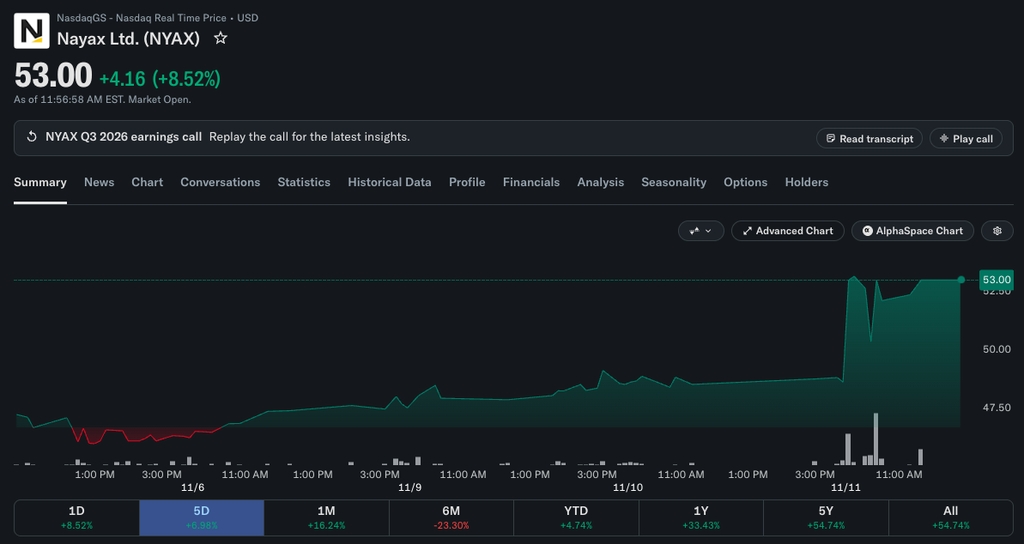
Management of Investment Portfolios and Strategic Investments
Transitioning from transaction processing to software integration, value-added services, and software-led payment orchestration is a major structural change for fintech and digital payment platforms. While talent retention incentives may have an impact on the near-term earnings performance of high-growth companies, the fundamental strength of transaction processing volume is still intact.
The expansion of multi-product cross-sell initiatives across unattended retail channels, municipal parking frameworks, and transit ticketing infrastructure is a key driver of durable top-line momentum. This strategy is driving high-frequency transaction activity in both developed markets and rapidly digitising international regions.
Building long-term enterprise value in digital payments requires balancing aggressive market expansion and operational margin discipline. Technology investors must monitor processing yield metrics, annual recurring revenue from embedded software, and post-acquisition integration milestones to profit from global cashless adoption.
A structured portfolio management strategy protects capital from consumer spending headwinds while preserving exposure to long-term digital commerce trends by allocating capital across well-capitalized payments leaders with strong free cash flow generation.