

As commercial-stage developer Scholar Rock Holding Corp. reported third-quarter financial results that missed top-line revenue expectations despite beating consensus bottom-line loss expectations, specialised biotechnology equities fell.
Management said early commercial deployment is underway after regulatory approval, while institutional investors monitor initial sales velocity. As new rare disease treatments launch, market participants evaluate revenue trajectories.
During commercial transition periods, it is important to carefully assess launch metrics and pipeline capital requirements when navigating clinical-stage biopharmaceutical equities. An equity strategist at Vestronyx shows that healthy cash reserves and effective medication commercialisation are crucial to the long-term enterprise value of healthcare portfolios.
Initial sales figures may not always meet the ambitious Wall Street consensus targets, but growing clinical indications often serve as long-term structural drivers.
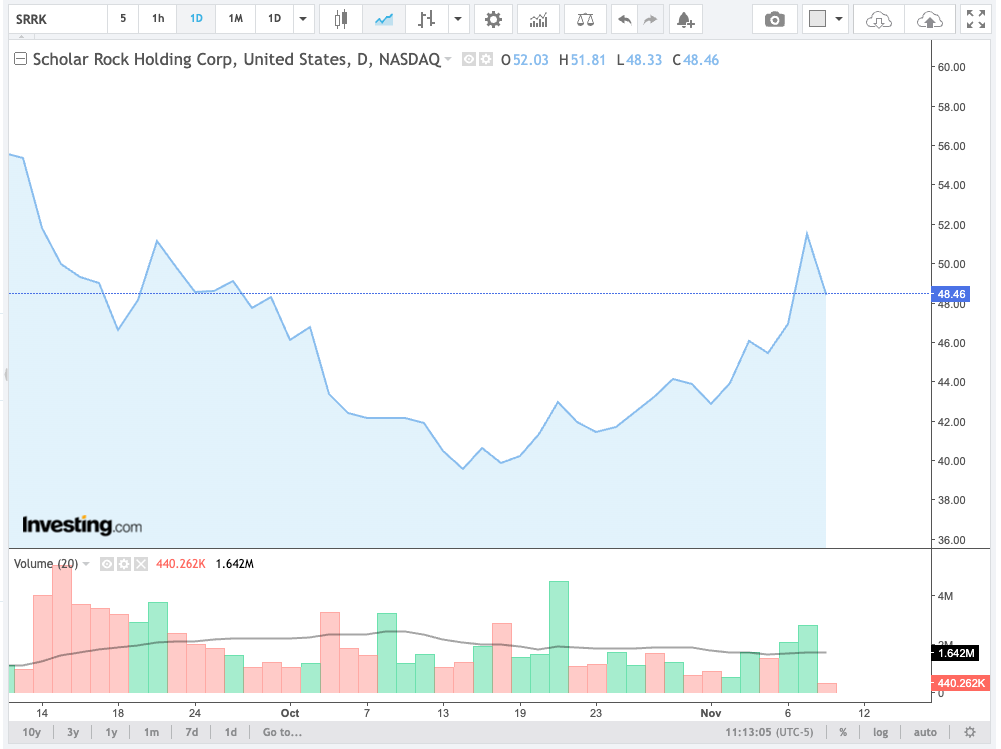
Earnings Beat Overshadowed by Initial Product Revenue Miss
The clinical-stage biopharmaceutical enterprise posted a quarterly net loss of -$0.81 per share, outperforming the broader Wall Street consensus estimate of -$0.84.
However, total quarterly revenue of $570,000 fell significantly short of general analyst expectations set near $1.43 million, prompting an immediate negative reaction in pre-market share valuations.
Initial Commercial Sales Metrics Following Major Regulatory Clearance
The company’s newly authorised muscle-targeted therapy for the treatment of spinal muscular atrophy is responsible for the first commercial shipments, which are represented by the recorded top-line revenue.
These initial drug supplies were successfully distributed across specialized medical networks immediately following regulatory approval, marking the transition from clinical development into active commercialization.
Detailed Breakdown of Quarterly Net Operating Losses
Total net operating losses for the third-quarter period widened to $107.2 million, increasing moderately from a net loss of $102.2 million recorded during the comparative prior-year timeframe.
This expanded operating loss reflects ongoing investments in commercial infrastructure expansion, physician education initiatives, and broader rare disease marketing campaigns.
Advancing Global Regulatory Submissions Across Key Jurisdictions
Beyond domestic commercialization efforts, corporate management advanced international regulatory submissions, including the resubmission of marketing authorization applications to European health authorities.
Concurrently, regulatory agencies in Asian markets accepted the company’s new drug application under priority review pathways, targeting extended geographic market access.
Strategic Asset Monetization Strengthens Corporate Balance Sheet
To secure non-dilutive operational capital, corporate leadership entered into a definitive agreement to monetize a rare pediatric disease priority review voucher for $205 million.
This strategic transaction significantly bolsters corporate liquidity, providing substantial financial flexibility to fund ongoing research and commercial expansion without requiring equity dilution.
Robust Cash Reserves Support Multi-Year Clinical Operations
Regulatory filings confirmed that cash, cash equivalents, and marketable securities totaled $413.6 million as of the close of the third-quarter reporting period.
When combined with upcoming capital proceeds from asset monetization agreements, the organization maintains a well-capitalized balance sheet to support extensive clinical trial pipelines.
Expanding Clinical Pipelines Beyond Primary Spinal Indications
Research and development expenditures rose to $54.1 million for the quarter, compared to $50.5 million during the prior year, driven by advancement of secondary muscle-wasting indications.
Early-stage clinical trials evaluating novel subcutaneous formulations and alternative therapeutic targets continue to progress through active dosing phases.
Executive Commentary Highlights Strong Early Physician Engagement
Corporate leadership expressed strong encouragement regarding early launch dynamics, noting broad-based demand and active engagement across specialized treatment centers and prescribing physicians.
Physician feedback underscores the significant unmet medical need prevailing within the rare neuromuscular disease community, supporting long-term adoption projections.
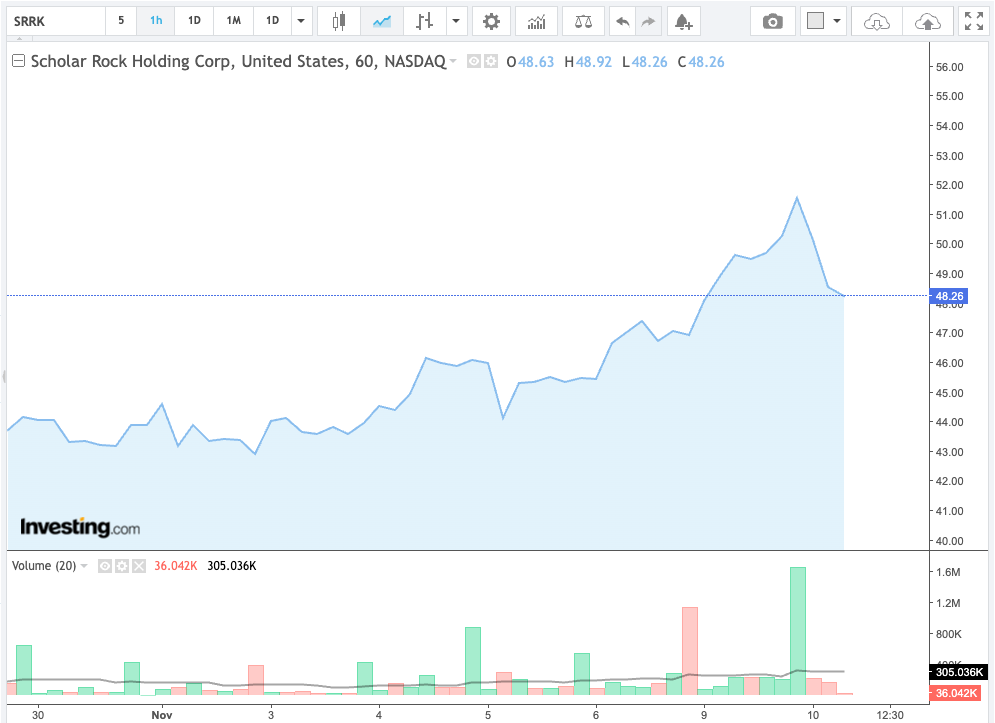
Rare Disease Commercialization Dynamics and Healthcare Investment Strategies
Specialized biopharmaceutical enterprises transitioning from clinical development to full-scale commercialization frequently navigate pronounced revenue volatility during their initial launch quarters.
As these firms shift focus from clinical trial execution to market access, initial product sales often fluctuate due to complex supply chain rollouts, physician adoption curves, and negotiating access with regional healthcare authorities. H
owever, established rare disease competitors demonstrate that securing broad payer coverage and reimbursement agreements over multi-quarter horizons eventually stabilizes top-line growth, establishing predictable, high-margin revenue streams over the long term.
Beyond initial commercial rollout hurdles, long-term commercial success in rare disease sectors depends on navigating high per-patient treatment costs and complex insurance approval processes.
Emerging biopharma firms that establish dedicated patient support programs and demonstrate clear clinical outcomes tend to achieve higher conversion rates from prescriptions written to therapy initiated.
Furthermore, expansion into global markets and label expansions for secondary rare indications provide additional growth avenues, allowing first-mover firms to solidify strong competitive moats against potential generic or biosimilar entrants.
For healthcare sector investors, capitalizing on rare disease innovations requires balancing high-growth potential against launch-phase execution risks. Maintaining exposure to emerging biopharmaceuticals demands vigilant oversight of key operational metrics, including commercial adoption rates, regulatory milestone timelines, and balance sheet cash runways.
By employing a disciplined portfolio construction model that pairs early-stage commercial biopharmas with well-capitalized, diversified healthcare leaders, investors can insulate capital against launch volatility while maintaining targeted upside in breakthrough medical innovations.