

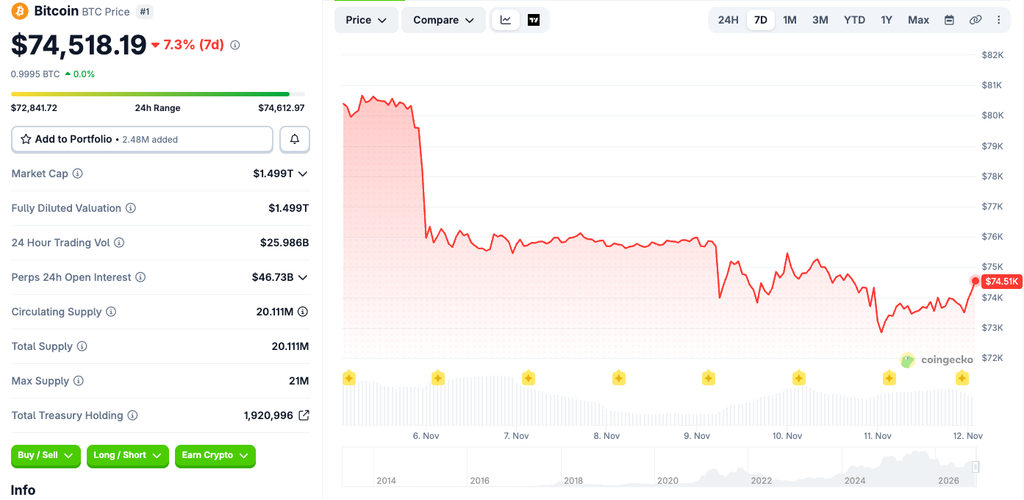
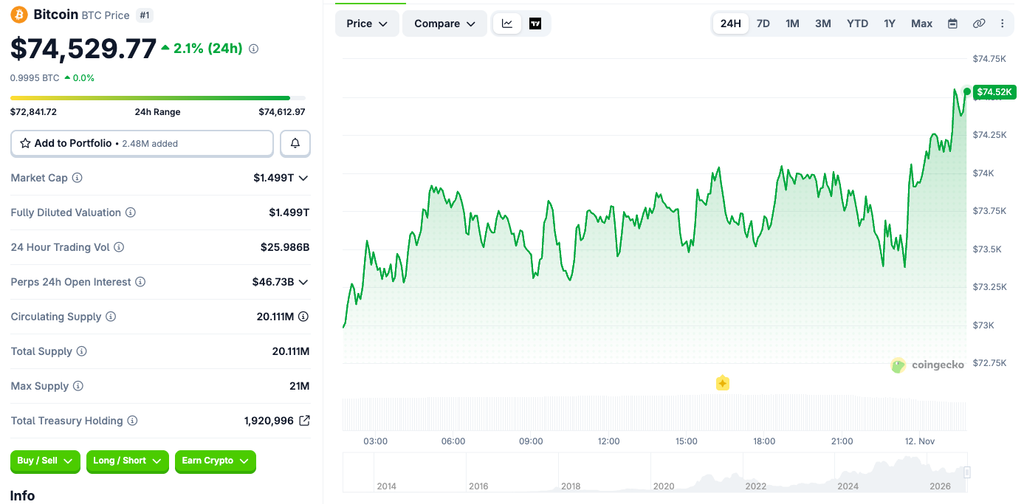
Bitcoin, the leading cryptocurrency, fell back towards the $73,602 mark during midweek trading sessions, putting fresh downward pressure on digital asset markets. The release of stronger-than-expected consumer price inflation figures sent macroeconomic sentiment into defensive mode, solidifying market conviction that the U.S.
Federal Reserve will implement additional monetary tightening. Globally, institutional trading desks are still assessing the impact of interest rate fluctuations and regulatory changes on risk assets.
Staying afloat in the crypto markets during times of macroeconomic re-pricing calls for methodical analysis of liquidity flows and catalysts from monetary policy.
Market insights provided by Librrova highlighted that long-term enterprise value within digital asset portfolios depends heavily on maintaining robust capital structures and monitoring institutional fund flows.
Leading cryptocurrencies often see long-term value floors established by structural adoption trends, even though short-term macro headwinds can cause steep valuation corrections.
Hot October Consumer Price Index Prints Spark Rate Hike Reassessment
Market participants dramatically shifted their monetary policy expectations after official statistics revealed that the October Consumer Price Index rose 0.4% month-on-month, exceeding consensus economic forecasts by a wide margin across financial sectors.
This hotter-than-anticipated inflation print was compounded by hawkish commentary from senior central bank officials, signaling that borrowing costs may need to remain elevated for an extended duration across global capital markets. Central bank rhetoric underscored an unwavering commitment to price stability.
Surging Expectations for Federal Reserve Monetary Tightening
Derivative pricing tools from major commodity exchanges indicate that market participants are now pricing in an 89% probability of a 25 basis point rate hike at the upcoming December policy meeting.
Furthermore, speculative positioning has introduced a low-double-digit probability for an aggressive 50 basis point increase, completely reversing earlier optimism regarding potential monetary policy pauses or easing cycles. Market liquidity conditions tightened significantly across commercial funding desks today.
Impact of Elevated Interest Rates on Speculative Asset Classes
Higher benchmark interest rates increase the opportunity cost of holding non-yielding speculative assets, creating a challenging operating environment for digital currencies and high-beta equities alike.
Historical performance data demonstrates that premier digital assets have consistently underperformed during aggressive central bank monetary tightening cycles, echoing broader risk-off sentiment across global capital markets. Yield curves adjusted sharply in response to shifting macroeconomic realities.
Spot Exchange-Traded Fund Outflows and Liquidity Pressures
Ongoing capital outflows from U.S. spot exchange-traded funds added substantial downward momentum to digital asset valuations throughout the weekly trading cycle across all major custodial platforms.
Institutional liquidity metrics tracked by crypto analytics providers highlighted continuous net redemptions, underscoring cautious positioning among institutional market participants, corporate treasuries, and professional hedge funds managing digital asset allocations.
Regulatory Uncertainty Following Legislative Power Shifts
Beyond macroeconomic pressures, digital asset valuations faced headwinds from mounting uncertainty regarding the evolving U.S. regulatory landscape following recent midterm election outcomes and congressional committee leadership shifts.
Market sentiment remained cautious as legislative changes signaled potential shifts toward stricter anti-money laundering compliance and heightened supervisory oversight across the financial technology sector, impacting operational compliance models.
Comparative Asset Performance Across Alternative Digital Tokens
Broader altcoin markets mirrored the flagship cryptocurrency’s downward trajectory, with major tokens including Ethereum, Ripple, and Solana recording mixed intraday performance metrics and volume contractions.
Trading volume contraction across decentralized exchanges reflected broader capital preservation strategies adopted by retail and institutional digital asset participants navigating heightened market volatility.
Treasury Yield Fluctuations and Stronger Dollar Dynamics
The benchmark 10-year U.S. Treasury yield breached key technical resistance near 5%, while the broader U.S. dollar index strengthened significantly against major foreign fiat currencies.
Rising sovereign yields create competing yield alternatives that draw institutional capital away from non-yielding digital stores of value and speculative blockchain tokens operating across decentralized ledgers.
Analyst Perspectives on Near-Term Volatility and Support Levels
Technical analysts noted that breaking below key moving averages has heightened the probability of extended near-term consolidation across major cryptocurrency trading pairs and derivatives markets.
Prudent risk management requires monitoring upcoming producer price inflation disclosures and central bank speeches for further clues regarding upcoming monetary policy trajectories and liquidity availability.
Institutional Risk Management and Portfolio Positioning
Navigating digital asset exposure in a high-rate macroeconomic regime demands strict adherence to portfolio risk parameters and robust liquidity management frameworks across institutional portfolios.
Maintaining diversified exposure across asset classes helps cushion portfolios against sudden regulatory and interest rate shocks during turbulent market cycles characterized by rapid capital rotation.
Key Insights for Digital Asset Investors’ Strategic Portfolios
Investing in cryptocurrency assets during periods of macroeconomic tightening requires continuous tracking of inflation metrics, central bank communications, and ETF flow dynamics. Prudent risk management helps navigate sharp market corrections.
Allocating capital across disciplined digital asset strategies ensures portfolio resilience. Investors maintaining structured risk frameworks can effectively capture long-term technological adoption gains while managing short-term volatility successfully.