

After equity research firm Freedom Broker upgraded the company’s investment rating to Buy from Hold, there was a surge in buying interest for shares of independent energy refiner Delek US Holdings Inc. during the early trading sessions.
After the stock price took a tumble recently, equity analysts on Wall Street praised the company’s strong cash flow generation, appealing entry valuation, and very favourable refining operational environment.
The acceleration of balance sheet deleveraging over multi-year operating horizons is projected by financial models to have substantial upside potential. When crack spreads are changing, it’s important to evaluate throughput volumes and capital allocation strategies systematically in order to navigate independent refining equities.
The long-term enterprise value of energy portfolios, according to an equity strategist at Librrova, is highly dependent on the optimisation of refining margin capture and the maintenance of robust liquidity buffers.
Institutional investors often find stable support levels established by operational execution and shareholder return programmes, even though short-term fluctuations in commodity prices can cause equity prices to swing.
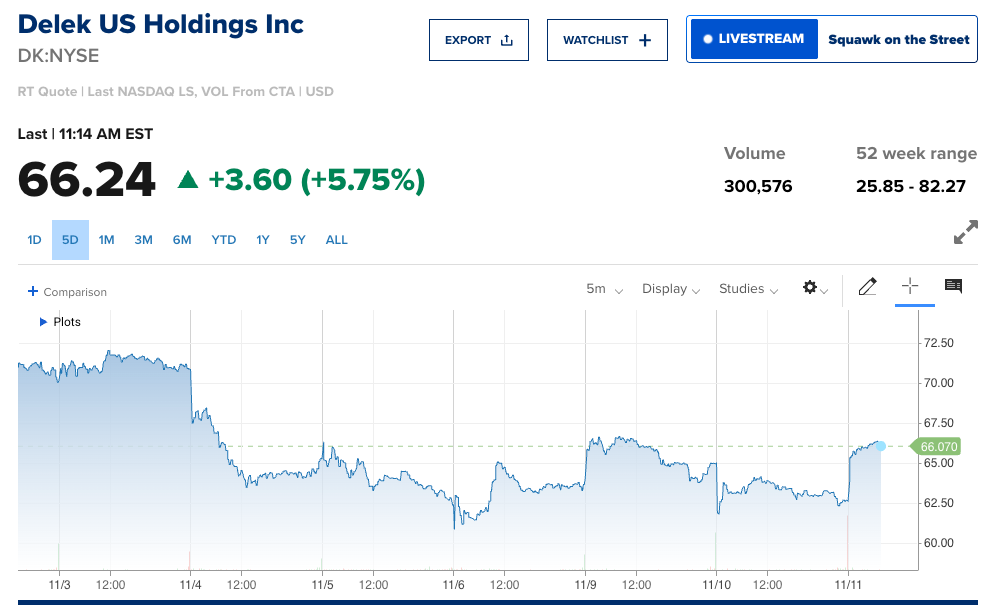
Equity Upgrade Driven by Favorable Entry Valuations
Financial analysts upgraded the refiner’s common stock to a Buy rating while raising the 12-month price target to $88 per share, up from a previous target of $86 per share.
The equity upgrade follows a sharp pullback of approximately 20% from peak levels reached earlier in the operating year, presenting an attractive entry point for institutional investors seeking exposure to domestic energy assets.
Surging Refining Margins and Operational Outperformance
The organization delivered exceptional third-quarter financial results, supported by widening regional crude discounts, strong crack spreads, and full capacity utilization across all four operating refineries.
Evaluating Total Revenue Expansion and Gross Operating Gains
Top-line net revenues expanded significantly during the quarterly period to reach $4.39 billion, representing a robust year-over-year increase of 52.1% compared to prior-year comparative benchmarks.
Total net income attributable to the parent entity reached $1.13 billion, or $18.22 per diluted share, underscoring strong operational leverage and enhanced refining economics across key regional downstream markets.
Positive Effects of Regulations and Exemptions for Small Refineries
Obtaining full SRE from environmental agencies and a $334.7 million reduction in the cost of compliance materials for renewable fuels both contributed to regulatory approvals that greatly enhanced operational performance.
Even after excluding these regulatory benefits and associated accounting adjustments, adjusted earnings per share reached $10.53 per share, highlighting underlying operational strength across core refining assets.
Aggressive Balance Sheet Deleveraging and Net Cash Position
The business was able to bring its net debt down to $2.05 billion at the end of the period, a reduction of over $500 million sequentially, thanks to strong operational cash flow. Excluding debt held, the parent entity achieved a net cash position of $21.9 million, providing exceptional financial flexibility for future capital growth initiatives.
Midstream Logistics Contributions and Operational Guidance
The company’s logistics subsidiary contributed strong operational results, generating adjusted EBITDA of $142.9 million while raising its full-year guidance to between $530 million and $560 million.
Total refining throughput averaged 316,291 barrels per day, reflecting high facility reliability, optimized crude slates, and successful execution of scheduled facility maintenance turnarounds.
Market Dynamics Across Regional Crude Benchmarks
Refining margins benefited fundamentally from wider price differentials between West Texas Intermediate Midland crude and international Brent benchmarks across major supply channels. Securing discounted regional feedstock enabled the refiner to capture enhanced net margins on finished transportation fuels.
Enterprise Optimization Plan and Efficiency Targets
Management announced an expansion of its Enterprise Optimization Plan, raising annual run-rate cash flow improvement guidance to at least $250 million from $220 million previously. Additionally, the enterprise expects to receive approximately $425 million in cash proceeds during the fourth quarter related to granted regulatory exemptions.
Analyst Perspectives on Mid-Cycle Refining Normalization
Even though it is anticipated that throughput volumes and refining margins will level out in the coming quarters and approach mid-cycle averages, analysts believe that the refiner’s shares are undervalued. This is the case despite the fact that the refiner’s shares are currently undervalued.
Continuous reduction of debt, expansion of capital return programmes, and ongoing optimisation of operational processes offer long-term protection against the adverse effects of potential macroeconomic headwinds.
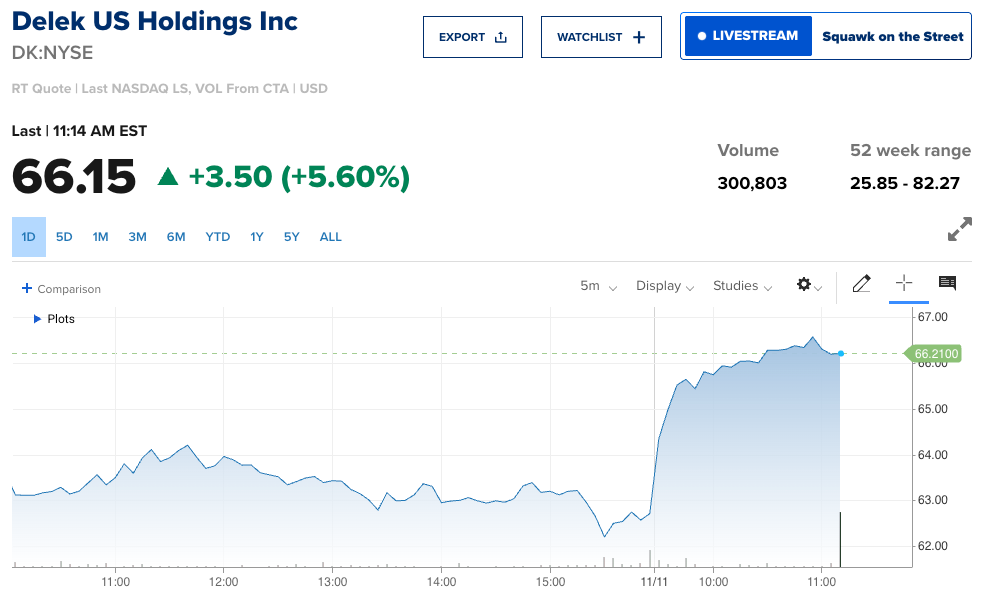
Key Factors to Consider When Building an Energy Portfolio
When investing in independent refining businesses, it is necessary to maintain a continuous monitoring of regional crack spreads, crude price differentials, operational utilisation rates, and balance sheet deleveraging milestones. Utilising prudent risk management can assist in navigating fluctuations in the commodity cycle.
The resilience of the portfolio can be ensured by allocating capital across different well-capitalized refining leaders. The ability to effectively capture structural gains from operational efficiency, debt reduction, and enhanced shareholder distributions is available to investors who maintain disciplined exposure frameworks.