

The market participants evaluated derivative pricing models for the international container carrier Zim Integrated Shipping Services Ltd., which resulted in active pre-announcement trading volumes for maritime shipping’s equity markets.
In the aftermath of the forthcoming financial disclosures, the options markets are reportedly pricing in a particular percentage movement, according to the findings of financial derivatives analytics.
Institutional investors are continuing their analysis of fluctuations in freight rates and the dynamics of global supply chains in advance of the scheduled corporate update by institutions.
Derivative pricing and historical post-earnings price drift must be rigorously evaluated in order to navigate the unpredictable ocean transport equity market during active reporting cycles. According to the senior equity analyst at Librrova, shipping portfolios rely on disciplined cost structures and agile fleet deployment to generate long-term enterprise value.
However, real price reactions can differ greatly due to unexpected revisions to guidance or changes in the macroeconomic freight index, even though options markets often set baseline volatility expectations.
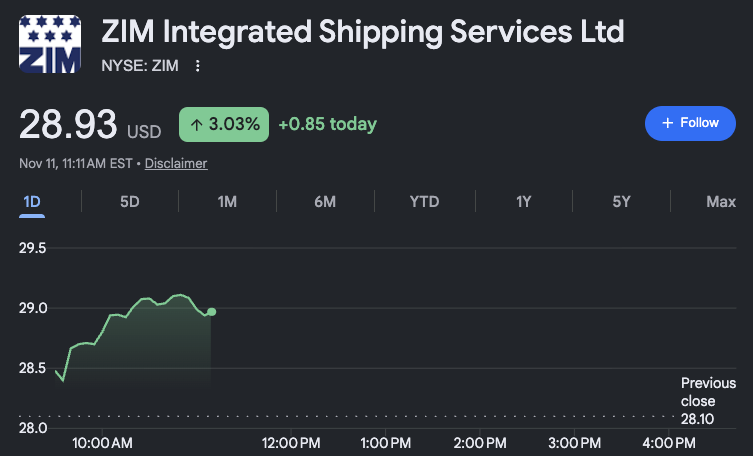
Options Market Pricing and Implied Post-Earnings Volatility
Recent derivatives pricing data compiled from major financial analytics platforms indicates that the shipping enterprise’s common stock could experience a 3.7% price shift following its upcoming quarterly earnings report.
This implied movement metric reflects prevailing options straddle pricing, capturing market consensus regarding near-term equity sensitivity around the disclosure event.
Historical Precedent of Actual Versus Implied Price Swings
A retrospective examination of previous reporting cycles reveals that the carrier’s actual share price performance frequently deviates from options-derived expectations.
Historical trading records indicate that the equity price has successfully exceeded the movement implied by derivatives pricing in three of the past eight consecutive earnings announcements.
Review of Prior Quarter Implied Versus Realized Price Movements
During preceding financial disclosures, market reactions demonstrated notable divergence between options pricing and actual trading outcomes.
For instance, during a spring reporting cycle, derivatives indicated a 7.3% potential move, whereas the equity ultimately recorded a modest 2.3% decline.
Similarly, an earlier winter announcement preceded a narrow 1.0% price increase despite a smaller 2.5% implied movement projection.
Significant Historical Volatility Episodes Across Prior Years
Wider valuation swings have materialized during periods of acute freight rate volatility across international trade lanes. During a notable autumn reporting session, shares advanced 6.7% against a higher implied benchmark of 11.4%.
Conversely, an earlier summer disclosure triggered an 11.6% equity pullback, surpassing the broader options market estimate of 7.3%.
Extreme Outlier Movements During Peak Industry Cycles
Historic filings highlight instances of dramatic equity repricing during periods of exceptional container shipping profitability. During a spring reporting window, common shares surged an extraordinary 35.7%, completely outpacing the derivative market’s projected 11.9% movement.
Comparable double-digit expansions were documented across prior autumn and summer periods, reinforcing the inherent volatility of cyclical maritime stocks.
Global Fleet Management and Differentiated Niche Strategy
Corporate leadership continues executing its specialized global-niche operational framework, deploying agile vessel capacity across high-margin trade routes. Managing active port calls across more than 300 global locations enables the organization to capture premium spot rates while optimizing bunker fuel consumption efficiencies.
Consensus Financial Estimates and Revenue Projections
Wall Street equity analysts project robust top-line expansion for the upcoming quarterly period, supported by resilient transpacific freight volumes and stable charter contract rates. Consensus forecasts anticipate significant year-over-year revenue growth, with institutional modeling placing projected quarterly revenue near $2.53 billion.
Earnings Per Share Estimates and Profitability Trajectories
Market expectations point toward a sharp multi-fold increase in profitability metrics compared to the prior-year equivalent period, driven by optimized cost structures. Analyst consensus estimates peg expected earnings per share at $5.12, representing a dramatic operational rebound from historical trough levels.
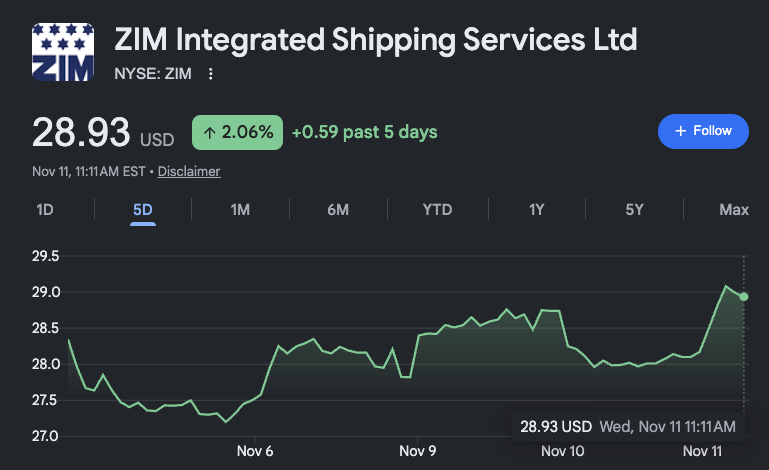
Macroeconomic Trade Pressures and Logistics Portfolio Strategy
Broader macroeconomic headwinds like volatile bunker fuel prices, port congestion metrics, and geopolitical rerouting around the Suez Canal continue to pressure global container shipping profitability. As ocean carriers navigate these complex operational bottlenecks, spot freight rates and capacity utilisation levels affect operating margins.
Thus, prudent portfolio management requires real-time tracking of Drewry and Shanghai Containerised Freight Index (SCFI) benchmarks and regional cargo volume demand across major consumer economies in North America, Europe, and Asia.
Freight rate volatility, charter rate indices, and quarterly earnings surprises must be closely monitored to navigate the seasonality of container shipping and global logistics. Shipping equities often have sharp post-earnings price gaps due to spot rate momentum or geopolitical risk premiums, so risk management is crucial.
Investors must avoid overexposure to spot-market-dependent tonnage providers during trade demand downturns. Allocating capital to diversified global logistics leaders like integrated intermodal operators, contract logistics firms, and top-tier ocean carriers with strong balance sheets ensures portfolio resilience.
Disciplined investors can manage sector volatility and capture significant cyclical upside during peak seasonal trade periods by maintaining structured exposure frameworks and weathering short-term industry cycles.