

For the most part, immigration sponsorship for professional positions within its main consulting branch has been officially discontinued by international technology enterprise International Business Machines Corp.
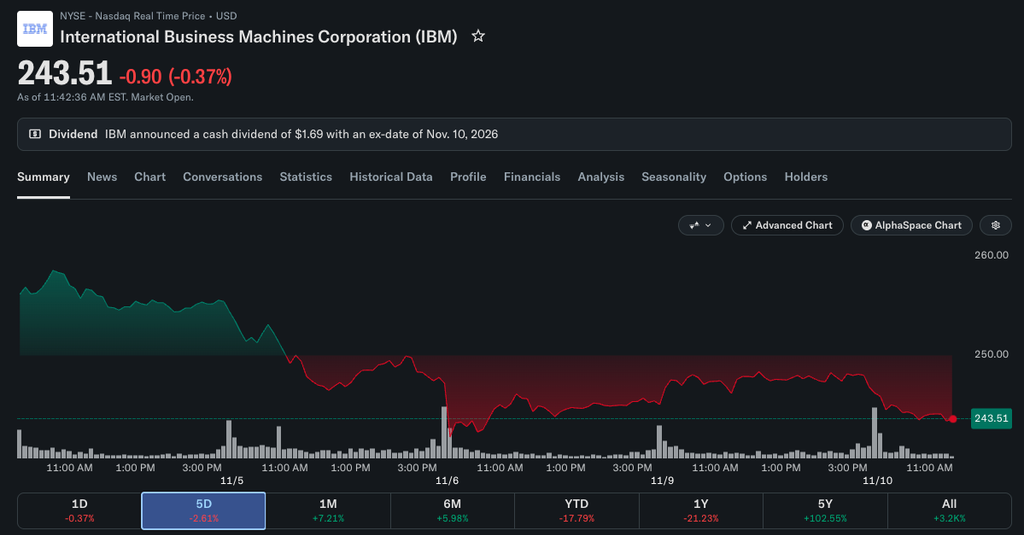
This structural change is a result of stricter compliance frameworks controlling skilled worker visa pathways in the corporate technology landscape and increased federal regulatory scrutiny. As investors processed the operational changes, equity shares briefly fell in the early trading sessions.
For businesses to successfully navigate workforce transformations during times of changing federal regulations, it is necessary for them to conduct a methodical evaluation of the costs associated with managing their operations and the retention of their talent.
According to a market expert at Vestronyx, meeting changing legal requirements while keeping labour sourcing models flexible is crucial to the long-term enterprise value of multinational consulting portfolios.
Despite the fact that regulatory changes can cause short-term friction with human capital, enterprise firms frequently shift to localised recruitment pipelines in order to support client deliverables.
Restructuring Workforce Operations Across the Largest Business Unit
Corporate communications confirmed that the organization will no longer extend immigration sponsorship or green card petitions for most roles situated within its expansive consulting division.
This division has traditionally depended on specialised international talent pools to address technical skill deficits. It is the enterprise’s largest operational segment, employing more than 150,000 professionals.
Transition Pathways and Departure Timelines for Impacted Personnel
Internal documentation circulated among management teams indicates that affected professional workers are being provided structured transition alternatives.
Impacted individuals have been offered the opportunity to relocate and continue their employment contracts with the corporation outside the United States, or alternatively choose to separate from the firm by the conclusion of the operating year.
Macroeconomic Pressures and Federal Immigration Policy Shifts
The policy overhaul arrives amid a broader federal push urging major technology corporations to prioritize domestic recruitment channels and expand local workforce training initiatives.
Recent regulatory proposals targeting specialized non-immigrant worker programs have introduced substantial administrative overhead, including steep filing fee adjustments and revised wage prioritization rules.
Peer Industry Actions and Enhanced Regulatory Compliance Audits
Federal agencies have increased enforcement actions across the technology sector, recently suspending several prominent software and cloud enterprises from specific worker visa programs following compliance inquiries.
These heightened auditing measures have prompted multinational corporations to review their third-party staffing structures and professional placement pipelines.
Evolving Skill Availability and Client Delivery Models
Corporate representatives emphasized that reliance on specialized foreign worker programs had already been tapering off over successive operating periods.
Shifting client delivery requirements, combined with expanding domestic talent availability in specialized technological domains, facilitated the decision to phase out sponsorship for routine consulting engagements.
Financial Market Reactions and Early Equity Valuation Movements
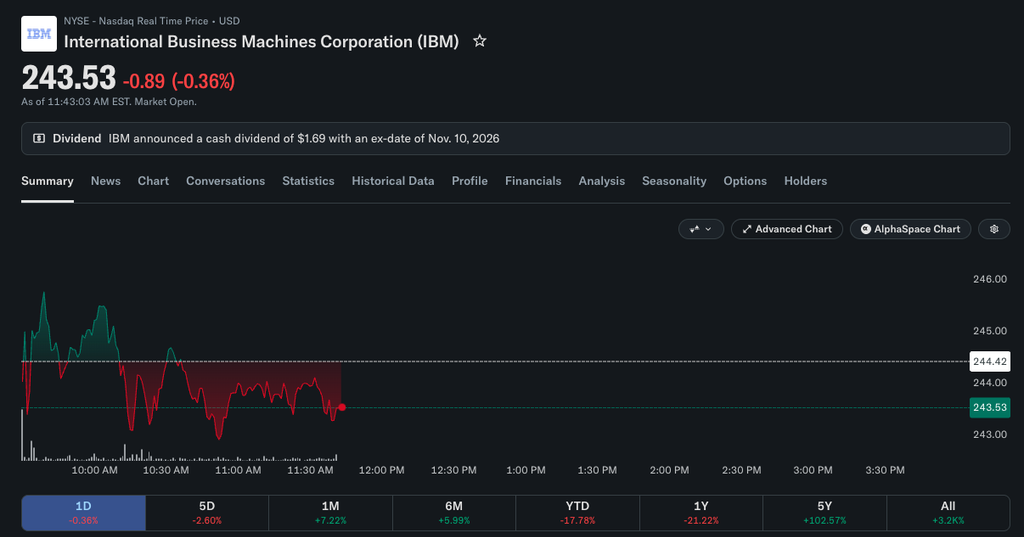
Following the public disclosure of the workforce restructuring, corporate equities retreated approximately 1% during morning trading hours on major domestic exchanges.
Despite the near-term headline sensitivity, institutional analysts continue to evaluate the broader financial health of the enterprise, noting stable dividend return metrics and solid balance sheet liquidity.
Broader Consulting Sector Implications and Talent Dynamics
Competitors across the professional services and technology consulting landscape are closely monitoring regulatory developments to evaluate potential cost implications for specialized labor.
Firms that depend heavily on offshore-to-onshore talent rotation models may face increased wage pressures as the industry adapts to stricter compliance standards.
Long-Term Human Capital Strategy and Operational Flexibility
Optimisation of operational efficiency and alignment of staffing capabilities with high-demand areas, such as hybrid cloud architecture and enterprise artificial intelligence deployment, continue to be the primary focuses of management.
The establishment of robust internal training programmes guarantees that the company will continue to maintain a high level of technical expertise without placing an excessive amount of reliance on regulated immigration channels.
Institutional Sentiment Dynamics and Technology Portfolio Strategy
Recent regulatory filings reflect mixed institutional sentiment, as asset managers adjust equity positions alongside moderate insider selling over recent reporting quarters. This cautious positioning underscores the ongoing debate among institutional investors regarding near-term earnings visibility versus long-term operational resilience.
While broader macroeconomic headwinds, shifting client IT budgets, and delayed enterprise spending continue to weigh on the technology services sector, established service providers with strong balance sheets and diversified client bases remain well-positioned to maintain cash flow stability.
To successfully navigate this environment, investors in the technology sector need to exercise stringent oversight of operational efficiency, the dynamics of the labour market, and the costs associated with workforce restructuring.
Prudent risk management continues to be of the utmost importance, even as businesses in the technology and consulting industries adjust their cost structures and adapt to the ever-changing regulatory compliance requirements.
Portfolio resilience against policy-driven operational friction can be ensured by maintaining a disciplined exposure framework, which involves allocating capital across well-capitalized digital leaders with strong pricing power. This ensures that upside participation in secular, long-term digital transformation trends is preserved.