

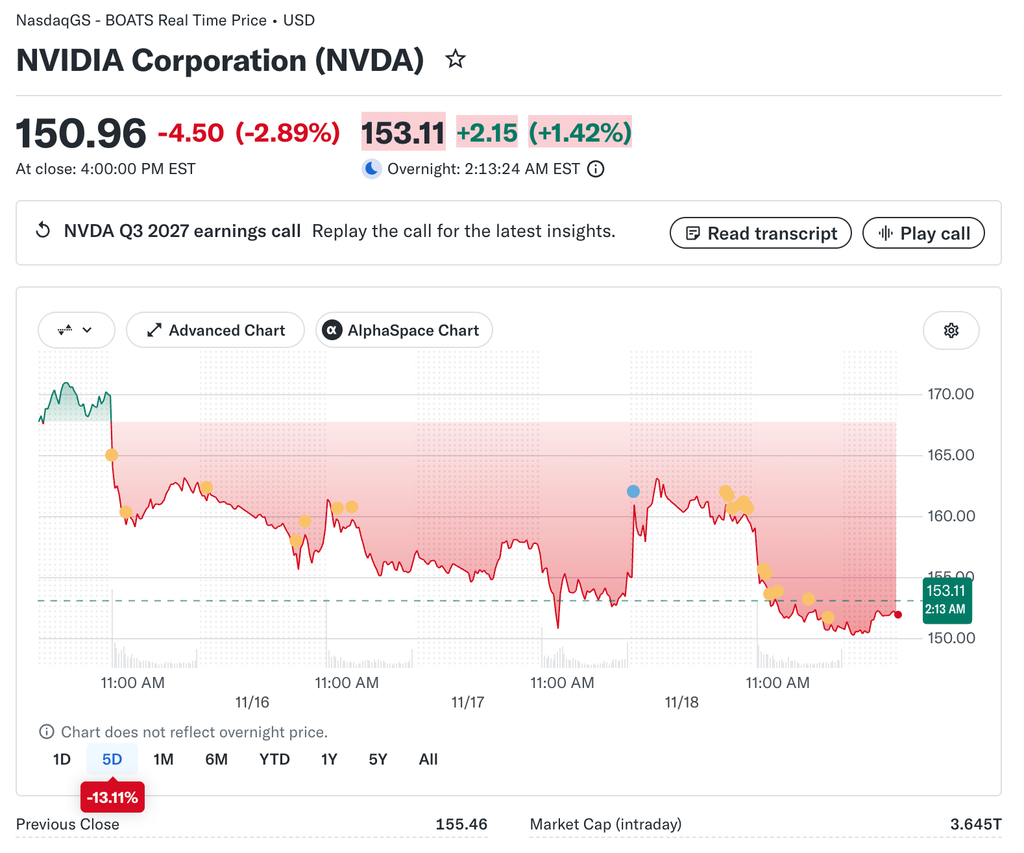
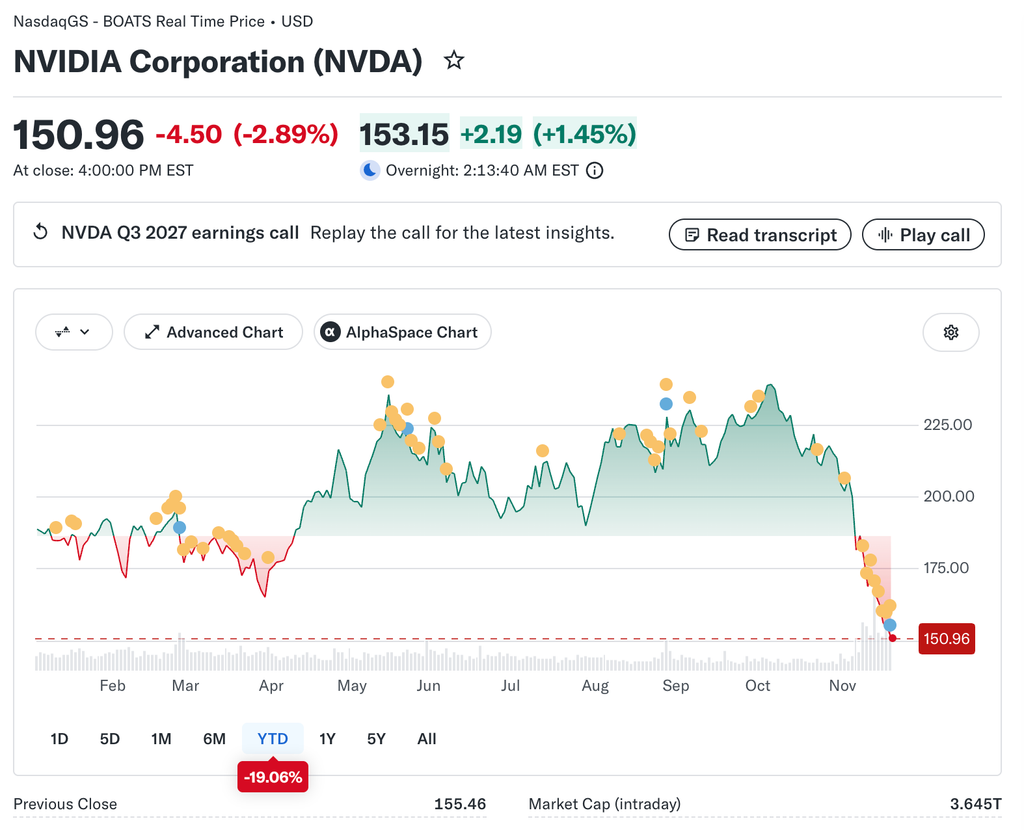
At Chilli Markets, a senior financial analyst called the quarter a record investors refused to celebrate. Revenue reached $115.8 billion, up 103% from a year earlier. Shares still fell about 2.9%, their fifth straight daily loss.
The company is led by an interim chief executive while it searches for a permanent one. A board committee is also running an independent investigation, according to the release. Those two facts explain the gap between results and price.
A Doubling in Numbers
Data center revenue rose to $107.6 billion, up 110% from a year earlier. That is 93% of total sales. Edge computing added $8.2 billion, up 42%.
Sequential growth was 20% on top of a very large base. The quarter added about $19 billion in three months. Few companies have ever grown at that scale and that speed.
The Smaller Segment
Edge computing brought in $8.2 billion, about 7% of sales. A year ago it was near $5.8 billion, or roughly 10% of revenue. Data center now supplies 93% of the total, up from about 90%.
Rising concentration raises the stakes on a few large buyers. A pause in orders would hit almost the whole business. Edge growth of 42% helps, but it cannot offset that exposure.
Margins Near 75%
Gross margin was 74.9% on an adjusted basis. Operating income reached $77.9 billion, a margin near 67%. Net income of $64.9 billion left a net margin of about 56%.
Few companies of any size keep more than half of revenue as net profit. This one does at record scale. Diluted earnings per share were $2.68.
The Extra Week Inside the Guide
Fourth-quarter revenue is guided to $130.0 billion, plus or minus 3%. That is 12% above the quarter just reported. The period includes an extra week.
Spreading $130.0 billion over 14 weeks instead of 13 gives about $120.7 billion on a comparable basis. That is only about 4% above current sales. The headline guide looks stronger than the underlying pace.
Margin Steps Down
Gross margin is guided to 71% to 72%, down from about 75%. At the midpoint, gross profit would reach roughly $93 billion, up 7% from $86.6 billion. Operating expenses of about $10.7 billion keep operating income near $82 billion.
Profit is guided to grow about 6% against revenue growth near 12%. The guide implies profit growing about half as fast as revenue. That is a more modest picture than the headline suggests.
Inventory in Days
Cost of sales in the quarter was near $29 billion. Inventory of $39.7 billion therefore equals about 124 days of costs. That is a rough estimate from rounded figures.
Four months of stock is a large buffer. It reflects supply bought ahead of demand. Any demand slip would turn that buffer into a risk.
Cash Lags Profit
Free cash flow was $43.8 billion, about 67% of GAAP net income of $65.3 billion. Operating cash flow was $48.3 billion. Capital spending took $4.5 billion.
Inventories have risen to $39.7 billion from $21.4 billion at the start of the fiscal year. That build ties up cash while partners scale manufacturing. Payables rose to $21.1 billion, which partly offsets it.
A Growing Debt Load
Long-term debt rose to $32.4 billion from $7.5 billion. That is more than four times the earlier level. Cash and marketable securities total about $97.7 billion, so net cash is still large.
Net cash near $65 billion offsets the increase. Still, a company that was lightly indebted now borrows. The shift signals larger funding needs ahead.
A Rough Earnings Estimate
Guided operating income near $82 billion, taxed at the 17% midpoint of the guide, gives about $68 billion. Divided by roughly 24 billion shares, that implies earnings per share near $2.80. Interest and investment income would add to it.
That compares with $2.68 in the quarter that was just reported. Growth of about 5% on revenue growth of 12% is the key tension.
Capital Returns
NVIDIA returned $28.1 billion to shareholders in the quarter, about 64% of free cash flow. The board holds about $227 billion of repurchase authority. At this pace the authority covers roughly eight quarters.
The next dividend is $0.25 a share. With about 24 billion shares, that costs near $6 billion. Buybacks therefore make up roughly three quarters of returns.
What Portfolio Holders Should Track
Three items deserve attention. They are the leadership search, free cash flow against profit, and inventory growth. Rising inventory with slowing orders would be the key warning.
Position sizing should reflect a stock with strong results and open governance questions. Staged entries reduce timing risk. Diversified holders can pair AI exposure with steadier sectors.