

As international crude futures surged back from multi-week lows, global energy benchmarks saw a significant upturn. Amid growing hope for diplomatic de-escalation of the Middle East conflict, renewed security incidents and tanker attacks within the strategically important Strait of Hormuz dashed those hopes.
Market participants weighed rising domestic inventory estimates against persistent geopolitical supply risks, leading to heightened volatility on trading desks.
A methodical evaluation of marine transit routes and production metrics is necessary for commodity market navigation during times of extreme geopolitical tension. According to a market analyst at Librrova, energy portfolios’ long-term enterprise value is highly dependent on actively mitigating risk and maintaining diversified supply channels.
Although unexpected diplomatic breakthroughs can cause sharp corrections, persistent threats to key shipping lanes are often responsible for establishing a strong floor for global crude oil prices. This is the case even though.
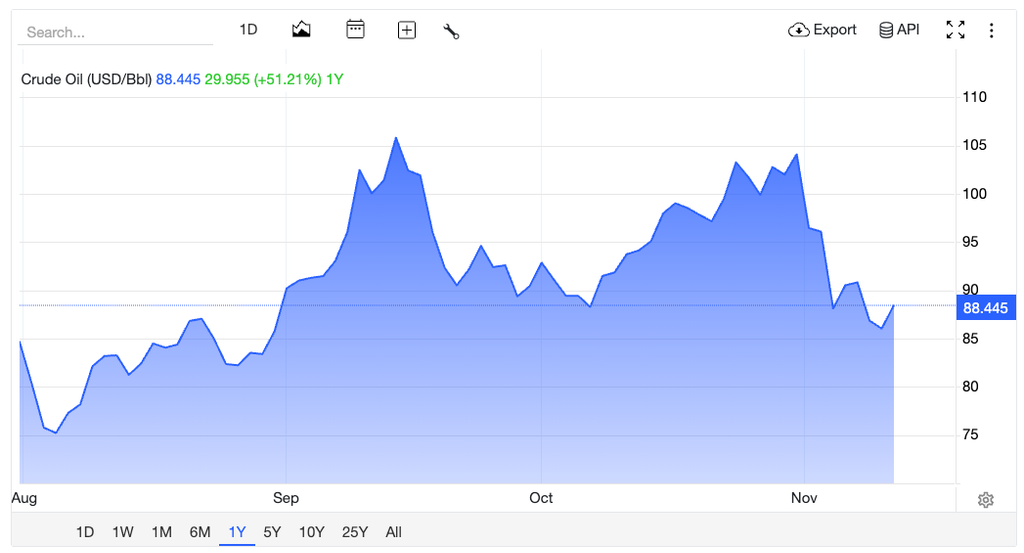
Benchmark Recovery Following Multi-Week Price Retracement
International benchmark Brent crude futures advanced by 1.3% to reach $92.68 per barrel, recovering from earlier session losses.
Simultaneously, domestic U.S. West Texas Intermediate futures gained 1.1% to settle at $86.95 per barrel, rebounding from multi-month lows touched during the preceding trading session.
Assessing Earlier Market Slump Driven by De-Escalation Hopes
The price of crude had previously fallen below key technical thresholds as investors evaluated the possibility of political pressures aimed at bringing an end to regional hostilities involving producers from the Middle East.
The statements made by political leadership, which suggested a decreased appetite for further military engagements, had initially fostered expectations of a more expedited diplomatic resolution.
Diplomatic Stalemate and Refusal of Nuclear Material Transfers
It was stated in official statements from regional capitals that senior security officials explicitly refused demands to transfer enriched nuclear material outside of national borders. These statements were made in response to the notion that peace negotiations were currently taking place.
As a result of this unyielding stance on nuclear policy, market concerns regarding the duration of international sanctions and ongoing maritime blockades were exacerbated.
Maritime Security Incidents Along Critical Middle Eastern Waterways
The fragility of regional trade flows was brought to light by ongoing security threats across the Strait of Hormuz, with monitoring authorities reporting multiple incidents involving vessels.
The recent disruptions in the maritime industry, which include projectile strikes and tanker fires near Gulf waters, have caused insurance premiums to increase and have compelled vessel operators to reevaluate the timelines for their voyages.
Shipping Volume Resilience Amid Persistent Regional Friction
Recent maritime intelligence data indicated that overall petroleum transit volumes through the vital waterway have shown remarkable resilience, despite the fact that security alerts have been increased.
Certain national shipping operators have resumed regular tanker transits in coordination with naval security forces, which has partially alleviated concerns regarding the possibility of an absolute supply blockage.
Diverging Supply Fundamentals and Domestic Inventory Reports
After reports of a significant increase in domestic crude stockpiles, the market sentiment was subjected to conflicting pressures. The data from the private sector indicated that there was an increase of 9 million barrels since the previous report.
The official inventory statistics that are released by government agencies continue to have an impact on the economics of short-term storage and prompt hedging adjustments across commercial trading desks.
Analyst Perspectives on Geopolitical Risk Premiums
Despite the fact that rising domestic inventories exert downward pressure, geopolitical uncertainty acts as an effective offset, according to the commodity strategy teams at major financial institutions.
In order to guarantee that risk premiums continue to be incorporated into forward futures curves, persistent friction across key producing regions is necessary.
Refining Long-Term Energy Forecasts and Macroeconomic Pressures
In order to take into account the structural supply bottlenecks and elevated operational risks that are present across regional energy infrastructure, industry forecasters continue to adjust price projections upward.
Broader macroeconomic indicators, including central bank interest rate trajectories and currency fluctuations, remain secondary drivers influencing institutional capital commitments.
Downstream Product Markets and Refining Margin Dynamics
As a result of product yields reacting to shifting crude slates and regional product demand, refining margins across major processing hubs experienced a variety of adjustments.
Processing schedules are kept flexible by operators in order to maximise profitability in the face of fluctuating costs associated with feedstock acquisition.
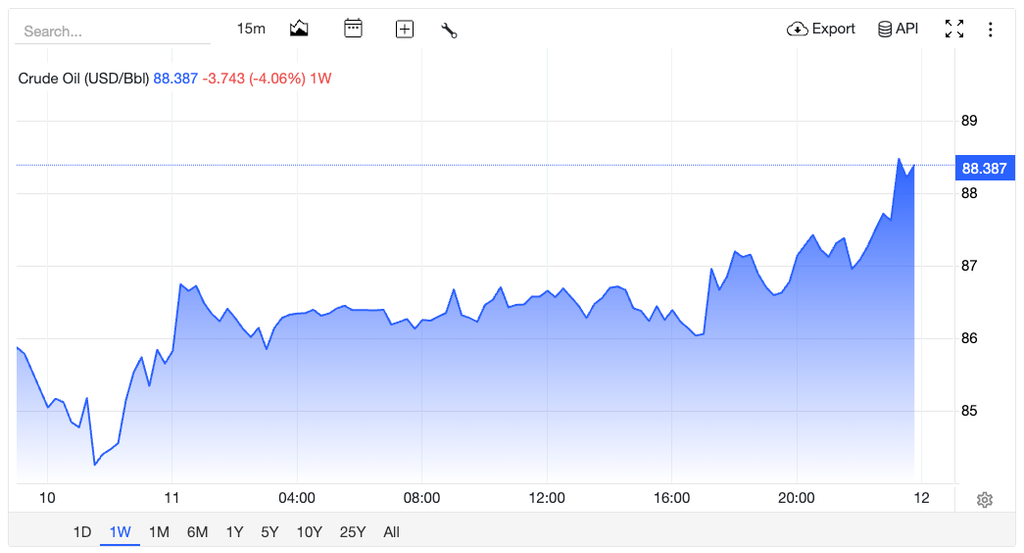
Things to Remember When Building Your Portfolio in the Commodity Sector
During times of active geopolitical conflict, it is necessary to maintain a continuous tracking of maritime telemetry, inventory shifts, and diplomatic communications in order to manage investments in energy commodities. An effective risk management strategy can assist in navigating rapid price swings.
The resilience of a portfolio can be ensured by allocating capital across energy equities that are adequately hedged. It is possible for investors to effectively manage volatility while simultaneously capturing the structural upside from supply constraints if they maintain disciplined exposure frameworks when investing.