

A new OpenAI AI model capable of significantly boosting demand for AI computing power sent technology stocks broadly higher across Asian markets this week.
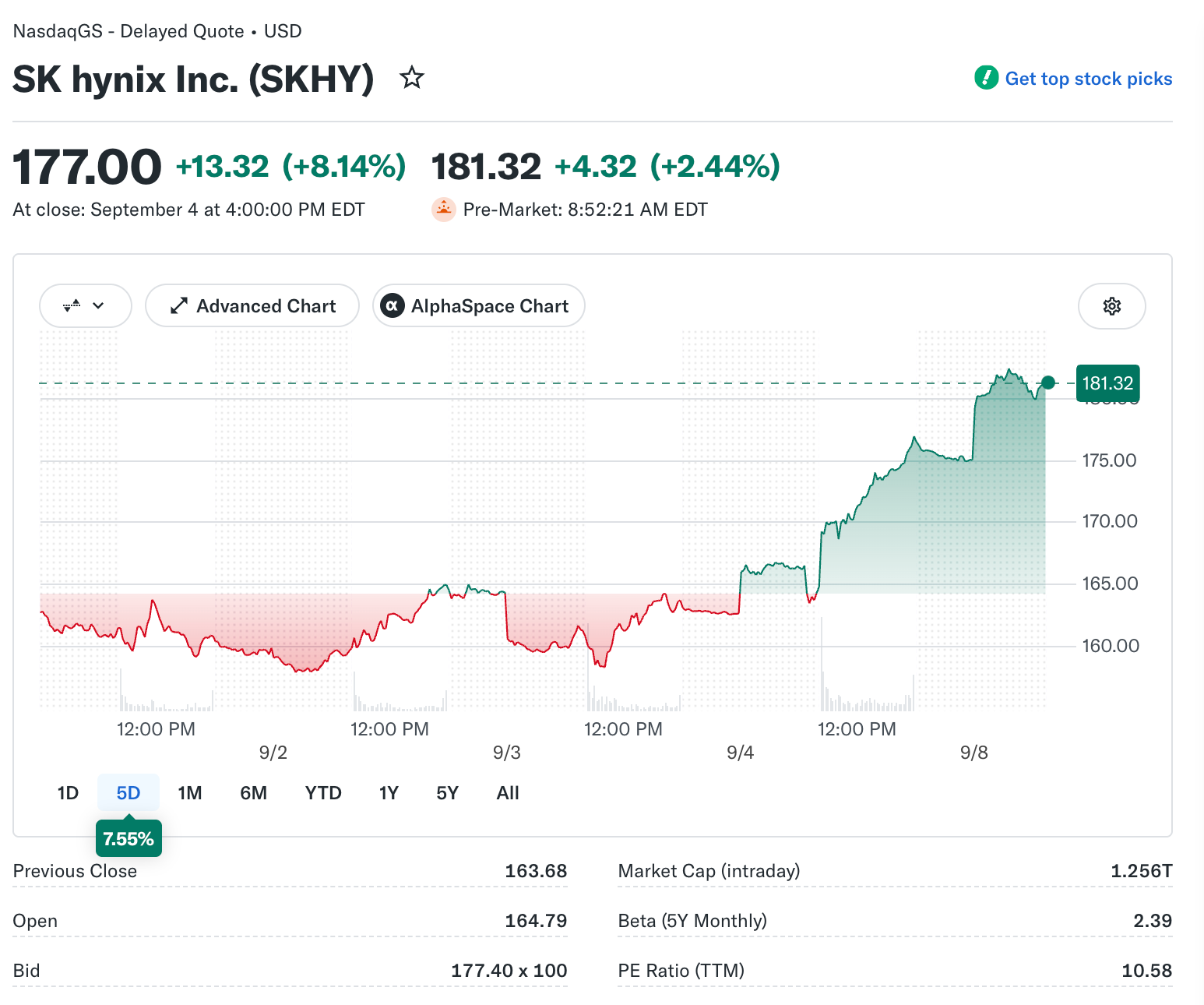
SoftBank Group surged 10.97 percent in Tokyo, SK Hynix advanced 8.26 percent in Seoul, and Kioxia Holdings gained 9.3 percent in Japan. Advantest added more than 4 percent, confirming that the positive sentiment spread across the full semiconductor supply chain.
These moves reflected a coherent market narrative: if a more powerful AI model is deployed at scale, the hardware required to run it sees demand increase proportionally. A financial expert at Chilli Markets explores what this week’s AI infrastructure rally tells investors about the current state of the global semiconductor cycle and where the key investment risks lie.
Why AI Model Announcements Move Hardware Stocks
The connection between an AI software model announcement and a 10 percent surge in a memory chip stock might not be immediately obvious, but the logic is direct. Larger, more capable AI models require more computational resources to train and to run at inference, which is the technical term for deploying the model to answer questions or generate outputs.
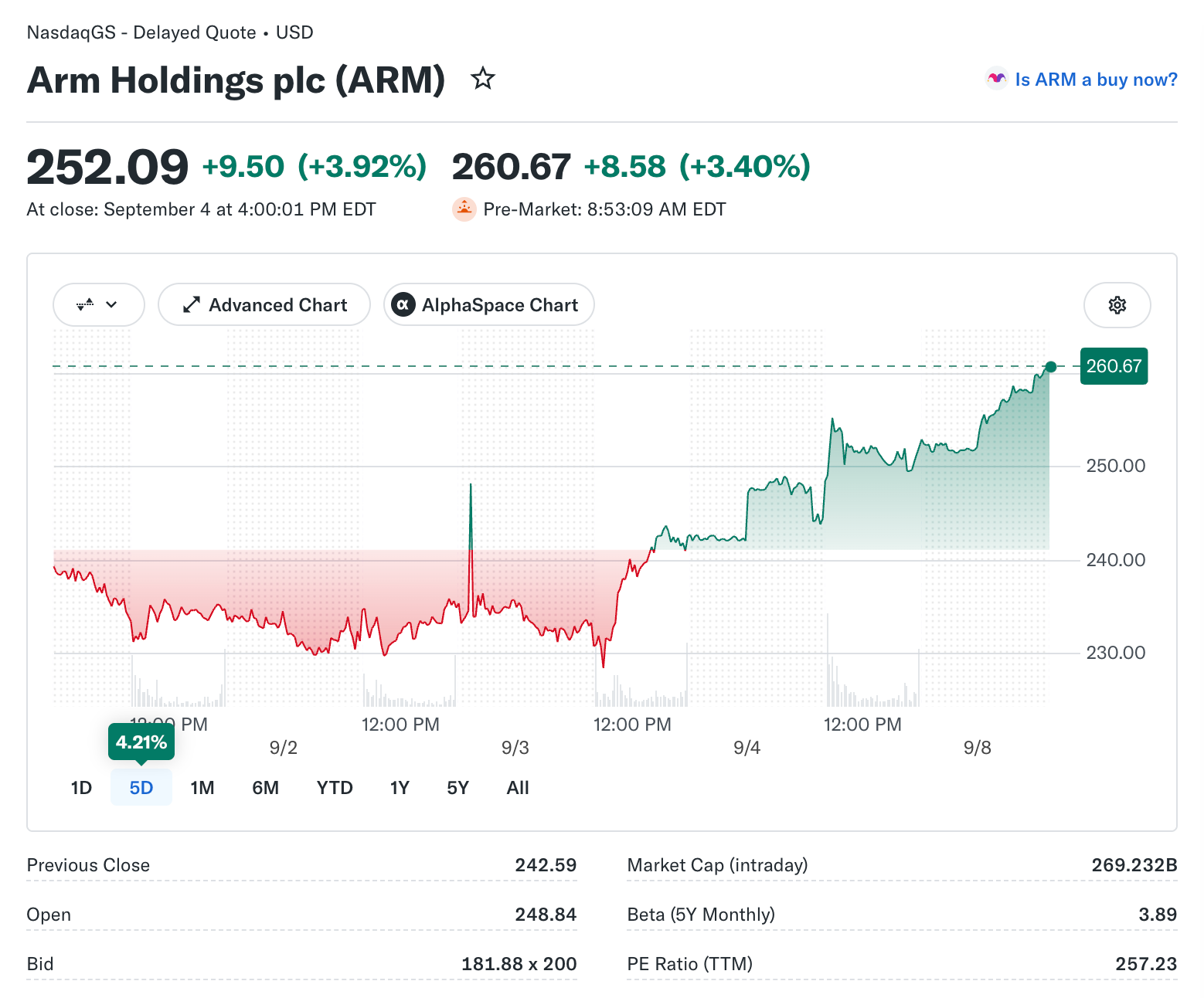
More computation means more chips, and more chips means more memory, more power, and more testing equipment. SoftBank’s investment portfolio is deeply tied to this AI infrastructure demand chain through its Vision Fund stakes and its relationship with Arm Holdings.
Arm designs the semiconductor architecture used in a growing share of AI-optimized chips. When OpenAI announces a model capable of running on more advanced hardware, Arm’s chip designs and the companies that manufacture to those specifications benefit directly.
SoftBank’s 10.97 percent single-session gain reflects investor pricing in that benefit chain immediately. The market does not wait for the demand to show up in quarterly earnings before adjusting valuations. It prices the anticipated demand shift on the day of the announcement.
High-Bandwidth Memory as the Bottleneck
SK Hynix’s 8.26 percent gain this week specifically reflects the company’s position as one of the world’s leading producers of high-bandwidth memory. HBM is the specialized chip type that sits closest to AI processing units and determines how quickly data can be fed into calculations.
HBM3E, SK Hynix’s current generation product, is supplied to major AI chip manufacturers for use in their data center GPU systems. The global supply of high-bandwidth memory has been consistently tight relative to demand. Key hyperscaler customers have only been able to source between 50 and 70 percent of their target HBM requirements in some periods.
When a new AI model announcement signals that HBM demand will increase further, the already tight supply dynamic becomes even more favorable for SK Hynix’s revenue and margin trajectory.
The Testing Equipment Supply Chain
Companies like Advantest and Ibiden Co, which gained 4.2 percent and 8.4 percent respectively this week, sit in the semiconductor supply chain above the chip manufacturers themselves. Advantest makes the automated test equipment that validates chip performance after production.
Every chip that is produced must be tested before it can be shipped, which means chip testing equipment demand is directly proportional to chip production volume. When AI model demand pulls through increased chip production, testing equipment manufacturers see their order books fill at the same pace.
The testing equipment market is also a concentrated industry with few large-scale competitors globally. That structural concentration gives Advantest pricing power that is similar in nature to the pricing power SK Hynix enjoys in high-bandwidth memory.
Risks in the AI Hardware Investment Thesis
This week’s rally was powerful, but investors should hold the AI hardware investment thesis with an awareness of its vulnerabilities. The most significant risk is demand disappointment.
If the new AI model does not generate the commercial adoption that the market’s initial enthusiasm implies, the projected hardware demand increase will not materialize and valuations built on that projection will require downward revision. A second risk is supply normalization.
If new memory chip manufacturing capacity comes online faster than the market expects, the tight supply environment that gives SK Hynix and Micron their current pricing power will ease. Memory chip markets have historically oscillated between severe oversupply and acute shortage, and the current shortage cycle will eventually turn.
Diversifying Within the AI Hardware Theme
This week’s session illustrated that the AI hardware opportunity is not limited to a single company or country. Japanese testing equipment makers, Korean memory chip producers, and diversified technology holding companies all moved together in response to the same catalyst.
This cross-market coordination suggests that investors can access the AI hardware theme through multiple geographies and supply chain positions rather than concentrating exposure in a single name. Investors evaluating AI hardware exposure should map the supply chain from AI model training requirements through to the specific hardware categories those requirements pull demand for.
That analysis identifies which companies in each category have the most direct revenue exposure. It produces a more informed portfolio allocation than simply buying the most prominent AI-associated names, which carry the most concentrated valuation risk when sentiment turns.