

West Texas Intermediate crude recently closed at $90.55 per barrel while Brent settled at $95.04, as renewed US-Iran hostilities kept energy markets on edge.
Oil prices had pulled back modestly from even higher intraweek levels after the strong US jobs report shifted investor attention toward rate expectations. The geopolitical premium embedded in crude prices has not unwound meaningfully, however.
The brand’s lead financial analyst stresses that Chilli Markets sees the current oil market environment as one of the most consequential macro variables in global equity markets. Its effects cascade across nearly every sector and asset class simultaneously. Understanding the mechanism behind those effects is essential for investors positioning across any major market right now.
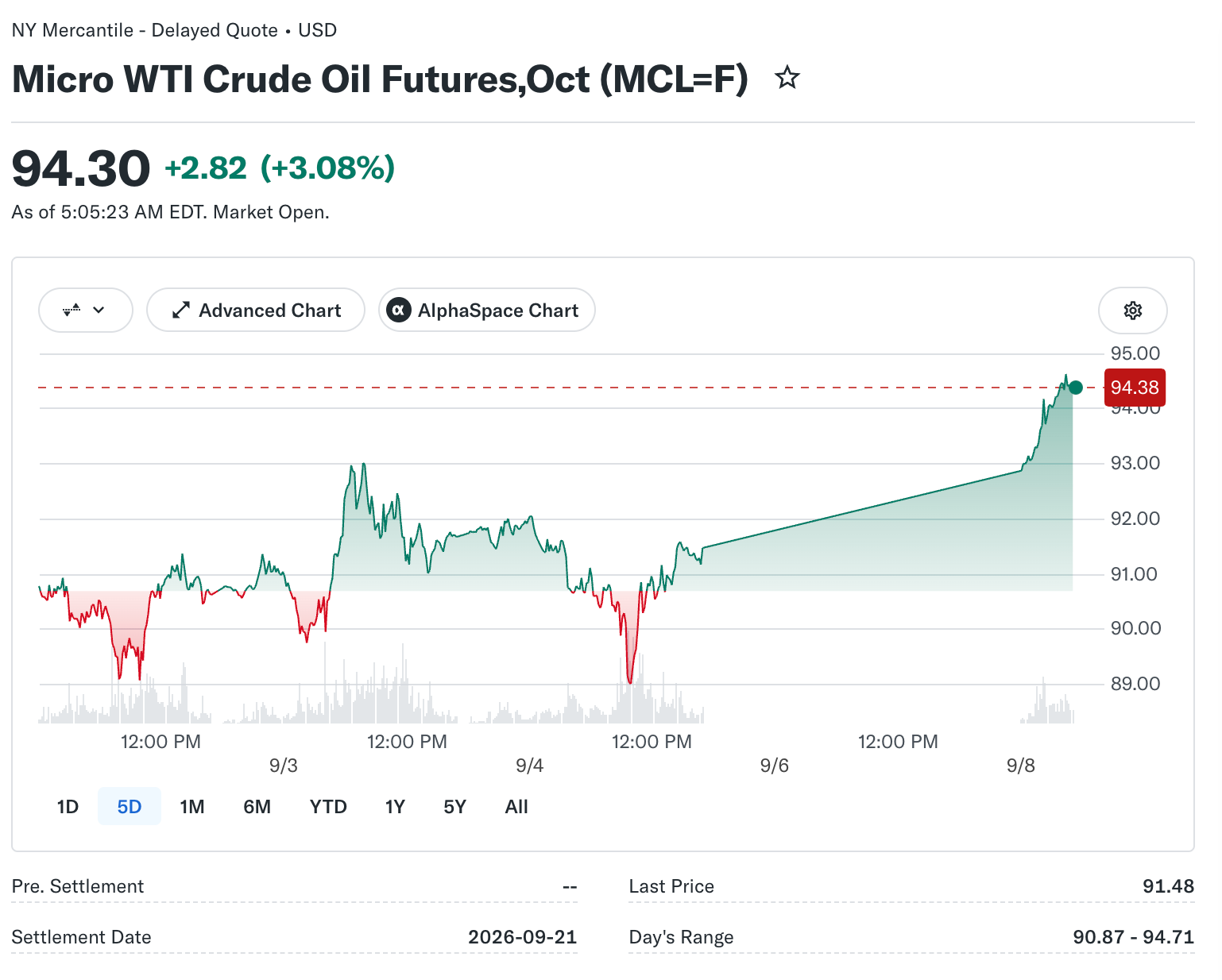
How the Iran Conflict Created the Oil Premium
The US-Iran conflict, which began with military action that closed the Strait of Hormuz earlier this year, fundamentally disrupted the global oil supply chain.
The Strait of Hormuz is the world’s most critical oil transit chokepoint, handling approximately 20 percent of global oil exports under normal conditions. When shipping through the strait was interrupted, the global oil market immediately priced in a supply risk premium that pushed prices sharply higher.
That premium has been volatile, rising and falling with each new development in the conflict. The European Union’s formal entry into the US-led sanctions campaign is the latest in a series of escalating coalition actions against Tehran. Each action that expands the coalition reduces the probability of an easy diplomatic resolution and extends the market’s expectation of sustained oil price elevation.
Energy Stocks: Beneficiaries and Losers Within the Sector
The energy sector is not monolithic in its response to elevated oil prices. Upstream producers, companies that extract oil from the ground, benefit most directly from higher crude prices because their revenue is tied to commodity pricing. When WTI rises from $70 to $90, a producer’s revenue on each barrel increases proportionally, expanding margins if production costs stay relatively fixed.
Downstream companies, including refiners, have a more complex relationship with crude price movements. Higher feedstock costs initially compress refinery margins if refined product prices do not rise in step. When oil prices remain elevated for an extended period, product prices typically adjust upward, eventually restoring refiner margins.
The lag between crude price increases and refined product price adjustments means refiners can face short-term margin pressure even when upstream producers are benefiting directly. Investors with energy sector exposure should distinguish between the two subsectors rather than treating them as interchangeable. The current oil price level affects each differently.
Airlines, Shippers, and the Consumer Cost Pass-Through
For airlines, shipping companies, and logistics operators that depend on fuel as a major operating expense, higher oil prices represent a direct earnings headwind. EasyJet warned that the Iran conflict was affecting its operations, and airline stocks across Europe have been sensitive to energy price movements throughout the conflict period.
When WTI moves sharply higher in a compressed timeframe, the fuel cost impact on long-haul airlines is immediate and meaningful. Consumer goods companies face a secondary cost impact through transportation and packaging.
Plastic and polymer prices are tied to petroleum feedstocks, so sustained high oil prices translate into higher input costs for consumer products manufacturers. This is one mechanism through which oil price inflation spreads into broader consumer price index readings and central bank rate decisions.
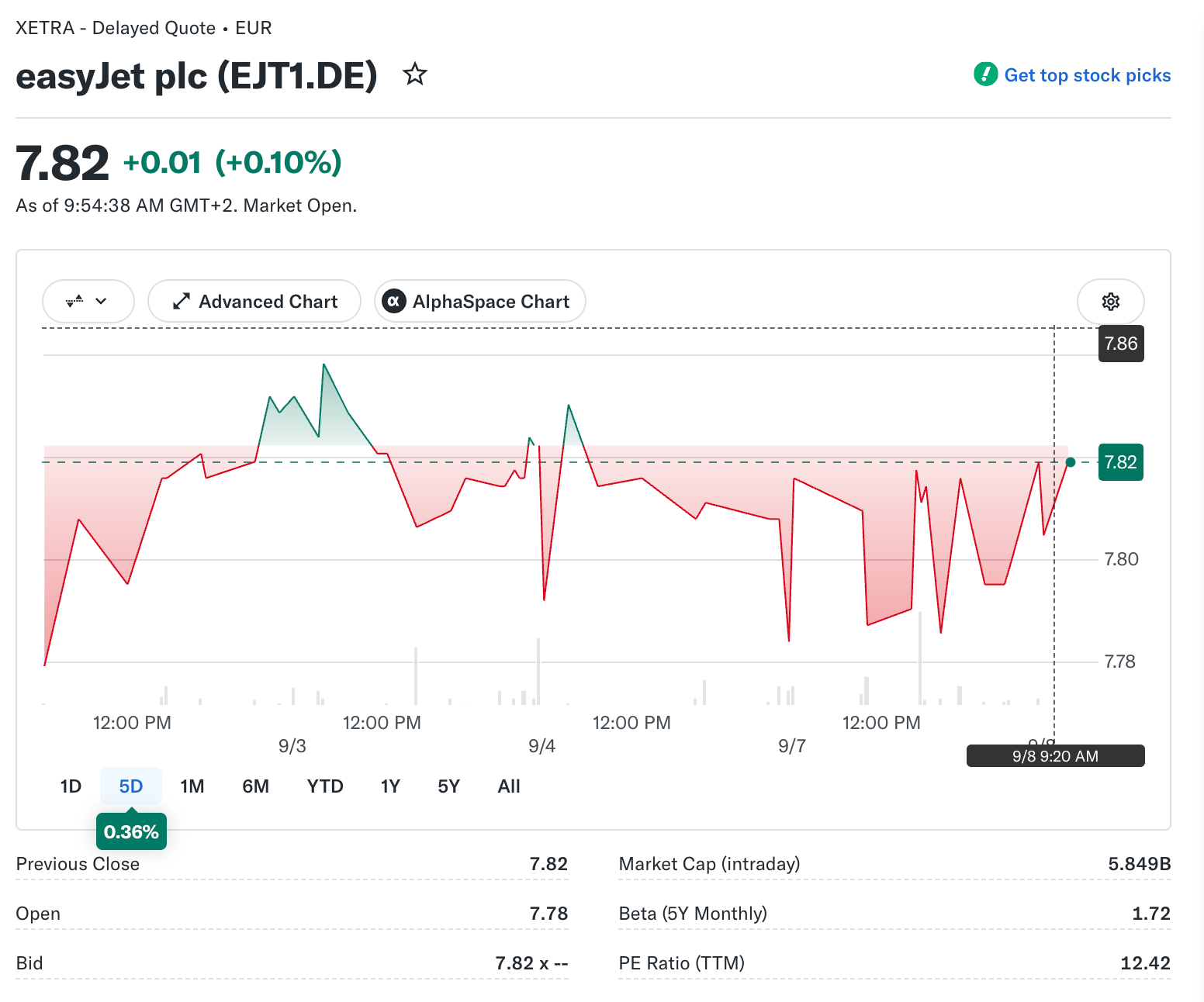
The Geopolitical Risk Premium and What Could Remove It
The oil price premium created by the Iran conflict has two potential resolution paths. The first is a diplomatic agreement that reopens the Strait of Hormuz and normalizes oil supply flows. An earlier ceasefire sent Brent crude falling nearly 15 percent in a single session as markets priced out the geopolitical premium immediately.
The speed and magnitude of that price decline illustrates how much of the current oil price level is geopolitical premium rather than fundamental supply-demand balance. The second resolution path is military.
A decisive military outcome that reopens or reroutes shipping around the Strait of Hormuz would also eventually normalize oil flows. Markets have been pricing the military resolution path as significantly less probable than the diplomatic path, which is reflected in the persistence of the premium.
Energy Stocks as Portfolio Positioning Tools
In the current environment, energy stocks serve a specific function in diversified portfolios. They provide a natural hedge against the inflation that elevated oil prices create, because their earnings rise when oil prices are high and the broader market is facing margin pressure from the same cost increases.
The FTSE 100 in London has demonstrated this pattern clearly, with energy and mining stocks providing primary support for the index on days when the rest of the market is declining.
Investors managing portfolios through the current oil price environment should consider whether their energy sector positioning offsets the oil-driven headwinds that consumer, industrial, and transportation names are facing.
The inverse relationship between oil prices and most non-energy corporate earnings makes energy sector weighting a more consequential portfolio decision right now than in a typical year.