

The UK’s FTSE 100 index is navigating a dual environment that has characterized London’s blue-chip benchmark throughout the year. Energy and mining stocks, which make up a significant portion of the FTSE 100’s composition, have provided support as oil prices near $95 per barrel for Brent crude benefit the revenue lines of BP, Shell, and the major commodity producers.
At the same time, rate-sensitive sectors including housebuilders, banks, and consumer-facing businesses face pressure from elevated UK borrowing costs that the Bank of England has been maintaining to combat persistent inflation.
The brand’s junior broker highlights what Chilli Markets sees as the structural story behind the FTSE 100’s relative resilience in a year when many global benchmarks have faced significant volatility.
The key to reading the FTSE 100 correctly lies in its sector composition, which differs significantly from most European and US benchmarks. That composition makes it behave differently from the indices most investors use as their primary reference points.
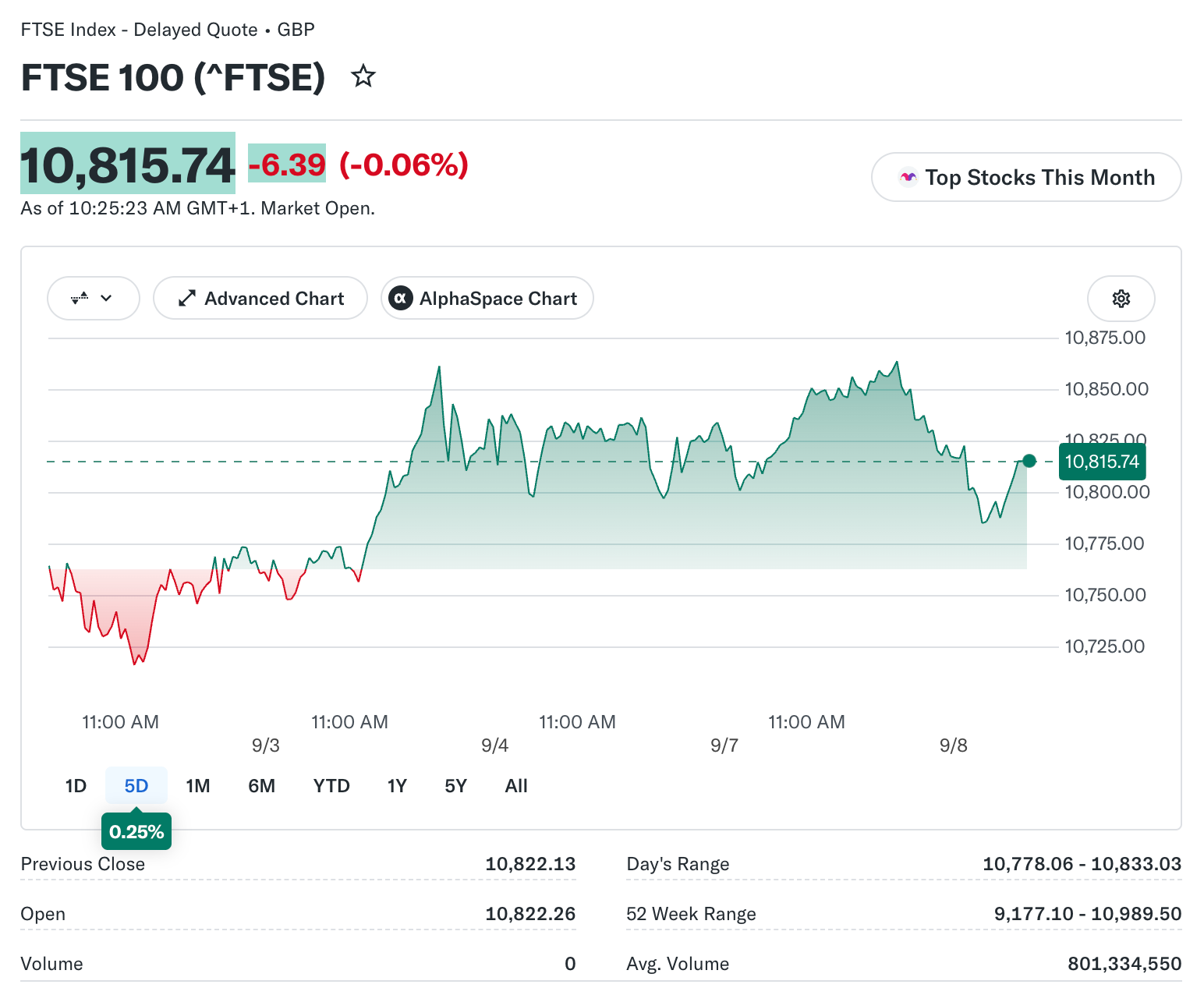
Oil’s Role in the FTSE 100’s Relative Performance
The FTSE 100’s heavy exposure to energy and mining companies creates a natural inflation hedge that many other global indices lack. When oil prices rise because of the Iran conflict’s impact on Strait of Hormuz shipping, BP and Shell earn higher revenues on every barrel their global operations produce and sell.
Those higher revenues translate into better earnings, stronger cash flows, and the potential for dividend increases and share buybacks. This is the same mechanism that caused the FTSE 100 to outperform most European peers during the 2022 commodity price surge and that has supported the index through the current Iran conflict period.
Germany’s DAX, which is more heavily weighted toward industrial manufacturers that face higher input costs when energy prices are elevated, has underperformed the FTSE 100 in sessions where oil prices are the primary driver. That composition difference is a structural feature that investors should incorporate into their European equity allocation decisions.
Rate Sensitivity Within the FTSE 100
The Bank of England’s rate policy is a persistent headwind for the FTSE 100’s domestic-facing sectors. Rate-sensitive housebuilders including Persimmon and Barratt have faced meaningful pressure throughout this year as elevated mortgage rates suppress housing transaction volumes and new build demand.
Banks including Barclays, Lloyds, NatWest, and Standard Chartered trade on the expectation of their net interest margins, which improve when rates are high but face headwinds when the rate environment is uncertain.
UK GDP growth has been inconsistent through the year, with the Iran conflict’s impact on energy costs and business confidence creating a more difficult growth environment than pre-conflict projections anticipated.
Defensive Names and Sector Leadership
When the FTSE 100 is navigating a challenging growth environment, defensively positioned companies with pricing power and global revenue diversification tend to outperform the broader index. Pharmaceutical and healthcare companies that generate revenue independent of economic cycles provide stability when cyclical sectors face headwinds.
BAE Systems has been another consistent beneficiary of the elevated geopolitical risk environment this year. Defense sector demand increases when global military tensions rise, and the Iran conflict has reinforced Western allies’ interest in maintaining defense capability.
BAE’s position as a major UK defense contractor gives it direct exposure to the increased government defense spending that geopolitical stress generates. That positioning has made BAE a notable outperformer within the FTSE 100 during the conflict period.
The EU Sanctions Expansion and Its Trade Implications
The European Union’s formal entry into the US-led Iran sanctions campaign carries direct trade implications for UK businesses with Middle East exposure. UK companies maintain substantial trade and financial services links with the Middle East region even following Brexit.
Sanctions compliance requirements typically create legal and operational complexity for financial institutions and companies with counterparty exposure to sanctioned economies. UK financial institutions have historically been flagged for Middle East exposure in analyst commentary.
That exposure creates ongoing compliance management requirements that affect operating costs and relationship capacity in the affected regions. HSBC fell significantly following a broker note that specifically flagged its Middle East exposure, illustrating how geopolitical-driven compliance concerns can create stock-specific moves within an otherwise stable index.
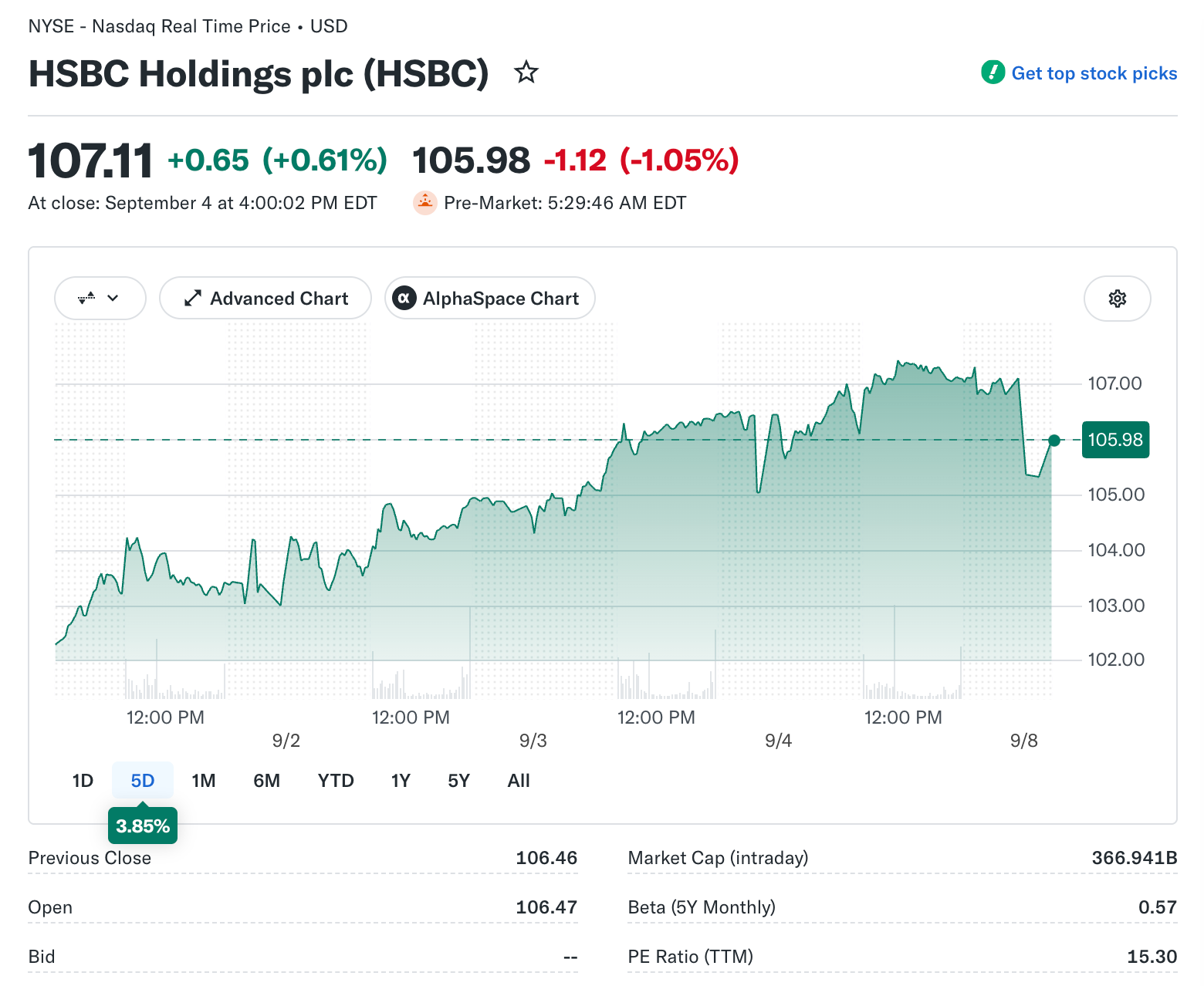
Reading the FTSE 100 Into the Coming Weeks
The FTSE 100’s trajectory through the weeks ahead will be shaped by three variables operating simultaneously. Oil price direction following the latest Middle East developments determines energy sector performance and therefore index-level direction.
The Bank of England’s communication on the rate path determines how badly domestic-facing sectors trade relative to international commodity names. UK economic data, including any updates to GDP, consumer spending, or employment figures, will either reinforce or challenge the Bank of England’s current rate stance.
Investors holding FTSE 100 exposure should treat the energy-to-domestic sector balance as the primary portfolio decision within the UK market. The two broad categories are responding to fundamentally different variables, and getting that balance right is the most consequential tactical decision available to FTSE 100 investors in the current environment.