

European equity markets opened this week in mainly negative territory. The pan-European Stoxx 600 fell nearly 0.1 percent, with most regional sectors in the red. Oil and gas stocks were a notable exception, rising 1.14 percent as energy names benefited from elevated crude prices.
Technology names added 0.55 percent, while healthcare stocks slid more than 1 percent. Food and beverage companies fell approximately 0.8 percent. The brand’s expert broker shares what Chilli Markets sees as the key dynamics shaping European equity performance this week and through the weeks ahead.
The Oil Price Backdrop Dividing European Sectors
Brent crude near $95 per barrel remains the single most important macro variable splitting European sector performance.
Oil and gas companies benefit directly from elevated crude prices because their revenue is directly linked to the commodity price. The rest of the European economy faces the opposite dynamic: higher energy costs increase input expenses for manufacturers and reduce household disposable income.
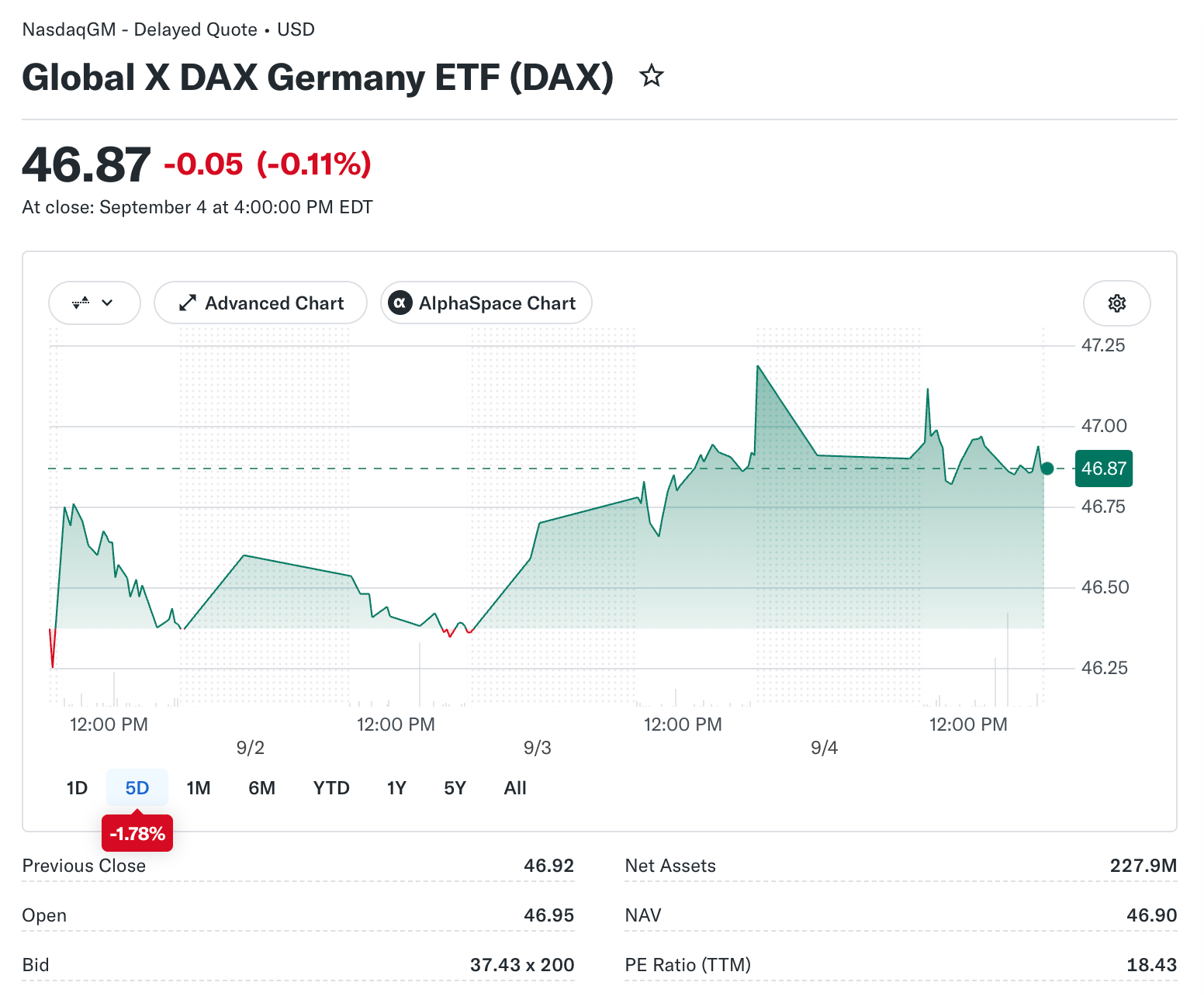
Elevated energy costs also add to inflation readings that force central banks to maintain a hawkish posture they would otherwise prefer to soften. Italy’s FTSE MIB rose 0.36 percent while Germany’s DAX dipped below the flatline after a positive start. Those divergent performances reflect the different sector compositions of each index rather than any significant gap in economic fundamentals.
Germany’s DAX is more heavily weighted toward industrial manufacturers that face input cost pressure when energy prices are high. Italy’s FTSE MIB carries meaningful energy and financial exposure that benefits from elevated oil prices and a steeper yield curve.
The EU Joins the Iran Sanctions Campaign
The European Union recently joined the US-led Iran sanctions campaign formally. The move is significant for European markets because it removes the possibility of European companies maintaining trade relationships with Iran that American companies cannot. Several major European energy and industrial firms had been monitoring the situation carefully to understand the scope of any compliance obligations.
The sanctions escalation signals that the geopolitical coalition against Iran is broadening rather than narrowing. This reduces the probability of a near-term settlement that would ease oil price pressure. For European markets, a prolonged Strait of Hormuz disruption keeps energy costs elevated while simultaneously depressing consumer and business confidence.
Healthcare Leading Losses This Week
Healthcare stocks declining more than 1 percent is somewhat counterintuitive given that healthcare is typically considered a defensive sector. The recent decline likely reflects profit-taking after a period of relative outperformance. It may also reflect sector-specific concerns around drug pricing and regulatory developments in key European markets.
Defensive sectors can become overcrowded during periods of market anxiety. They then face selling when investors rotate back into cyclical names during positive sentiment shifts. Both healthcare and food and beverage names appear to be experiencing this dynamic as energy and technology attract the available risk appetite this week.
Nokia’s Saudi Arabia Move as a Positive Signal
Finnish telecommunications equipment company Nokia announced the opening of its first research and development centre in Saudi Arabia. The facility is dedicated to AI network automation, and Nokia shares advanced on the news as investors responded positively to the company’s expansion into a market actively investing in digital infrastructure.
The Gulf region’s willingness to commit capital to technology modernization provides European tech and engineering companies with a meaningful growth market that exists independently of the European macro headwinds.
The Gulf region’s technology investment programs have been growing rapidly as part of broader economic diversification agendas. Nokia’s presence there provides exposure to that demand pipeline. This type of company-specific catalyst illustrates how individual corporate actions can create positive stock performance even within a broadly negative market session.
The ECB Rate Decision in Focus
The European Central Bank’s monetary policy stance is a persistent background factor for European equities. With the ECB expected to maintain a hawkish posture given inflation running above target, the question for investors is not whether rates will be high but how long they will remain elevated. A prolonged high-rate environment changes the valuation calculus across all European sectors.
Rate-sensitive areas like real estate, utilities, and consumer discretionary names feel the pressure most directly.
The combination of elevated oil prices, an expanding geopolitical coalition against Iran, and a hawkish ECB creates a challenging environment for broad European equity exposure. Investors who understand which sectors benefit from this combination, primarily energy and financials, are better positioned to navigate the current backdrop.
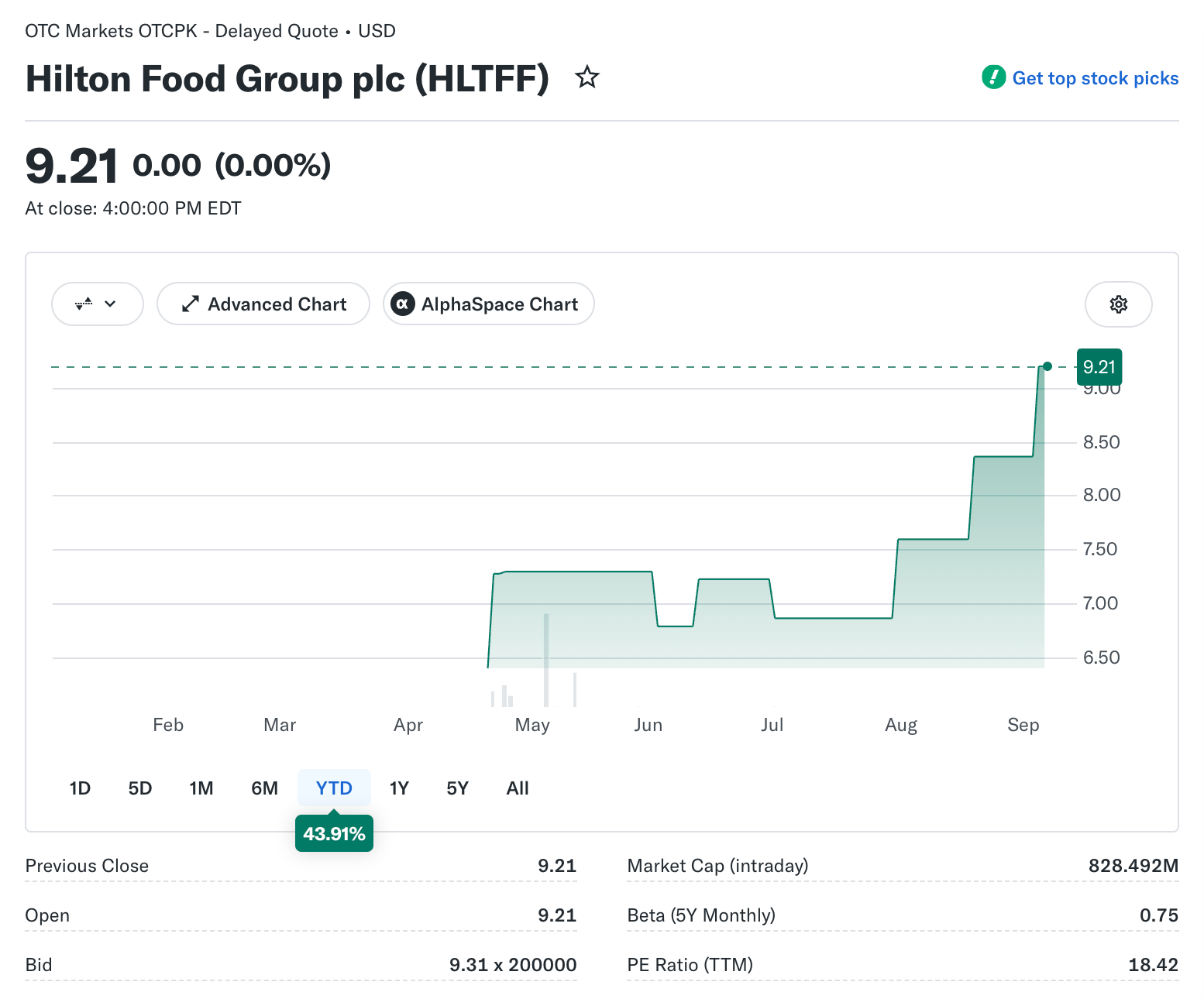
Hilton Food advanced recently after the food packing group raised its full-year adjusted profit guidance. That result shows that company-specific catalysts can still generate positive returns even within a difficult macro environment.
Disciplined sector selection and attention to individual earnings momentum remain the most effective tools for European equity investors navigating the current period. The broader European market may continue to trade sideways at the index level while significant gains and losses accumulate at the sector level beneath the surface.