

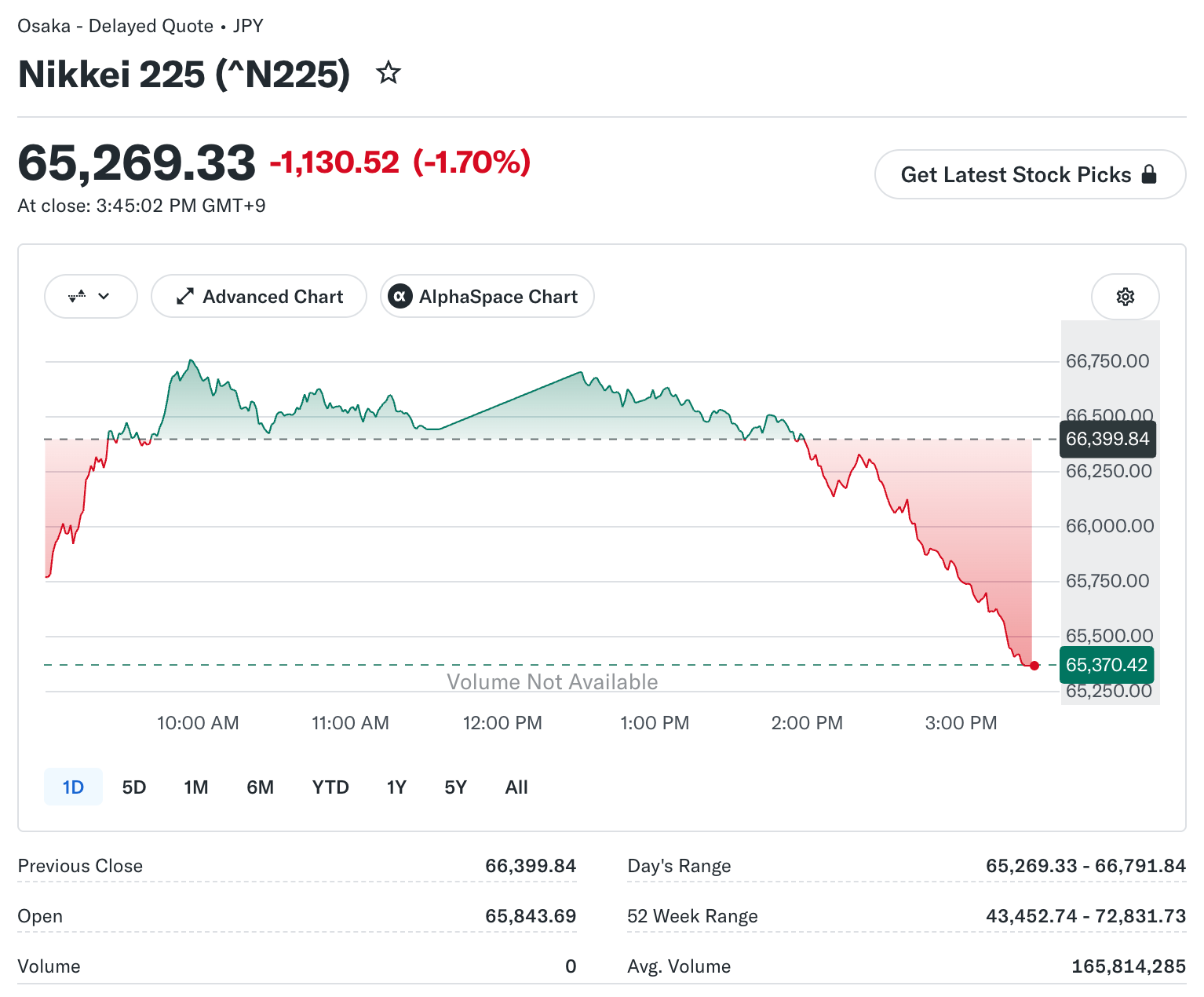
Japan’s equity market opened this week with one of its strongest single-session performances in recent months. The Nikkei 225 climbed 1.96 percent, or 1,274 points, to close at 66,294. SoftBank Group led the advance with a remarkable 10.97 percent surge, while Resonac Holdings gained 6.47 percent and Panasonic added 5.60 percent.
The brand’s junior broker highlights that Chilli Markets sees the session as a signal worth examining carefully. It reflects both company-specific catalysts and a broader macro repricing that has been building across the Asia-Pacific region.
Both forces are reshaping Japanese equity positioning heading into the Bank of Japan’s upcoming September meeting, and understanding which one dominates will be key for investors holding Nikkei exposure.
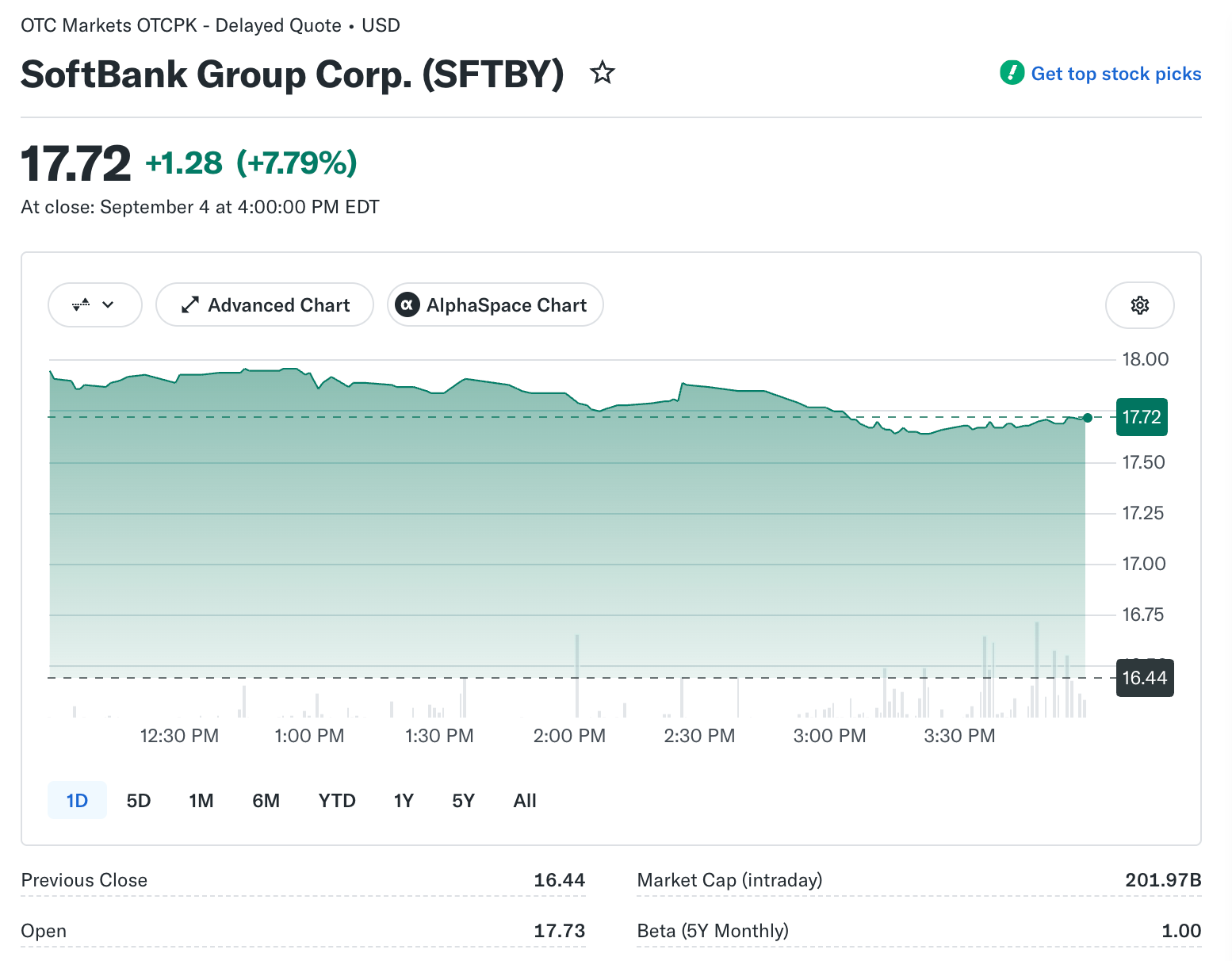
SoftBank’s 10.97% Single-Session Move
A gain of nearly 11 percent in a single session for a company the size of SoftBank is unusual. It typically reflects either a material positive catalyst that reshapes the earnings outlook or a forced covering of short positions that had accumulated against the stock. In SoftBank’s case, optimism around a new AI model from OpenAI was cited as the driver.
The market’s reaction suggests investors view the AI compute demand story as intact and accelerating. SoftBank has significant exposure to AI infrastructure through its Vision Fund investments and its relationship with Arm Holdings. Arm designs the chip architecture used across AI-optimized hardware, connecting SoftBank directly to the demand wave.
Technology Names Broadly Advanced
Beyond SoftBank, the session in Japan saw strong gains across semiconductor and technology-related names. Kioxia Holdings gained 9.3 percent, Advantest added 4.2 percent, and Ibiden Co climbed 8.4 percent. Taiyo Yuden also rose 4.2 percent, confirming that the positive sentiment was sector-wide rather than concentrated in one name.
These names had been under pressure in earlier sessions as elevated oil prices and rising US Treasury yields compressed valuations globally. The simultaneous recovery suggests a rotation back into AI-linked equities after the prior week’s pullback.
When multiple semiconductor and electronics names gain sharply in the same session without individual catalysts, it reflects a broad sentiment shift rather than stock-specific news. The OpenAI catalyst that drove SoftBank appears to have created positive spillover into adjacent names across the Japanese technology supply chain.
The Bank of Japan Factor
The Nikkei rally took place against a backdrop of building expectations for a Bank of Japan rate hike at its upcoming meeting. Recent wage data showed earnings rising at the fastest pace since 1997, and second-quarter GDP was revised higher. Both data points give the BOJ more confidence to act on inflation without risking a premature demand shock.
For equity investors, a BOJ rate hike carries mixed implications. Financial stocks and bank shares benefit from wider net interest margins when rates rise. Exporters face headwinds if a rate hike strengthens the yen, which reduces the yen value of overseas earnings when repatriated.
This week’s session saw financial and consumer stocks lag the technology advance. Mitsubishi UFJ fell 2 percent and Nintendo declined 1 percent, consistent with this rotation dynamic. Technology names absorbed the positive sentiment while rate-sensitive domestic names traded more cautiously.
Oil Prices and the Yen Are Still in the Picture
Elevated oil prices tied to ongoing US-Iran hostilities remained a background factor for Japanese equities this week. Japan imports virtually all of its energy, which means sustained high oil prices act as a direct tax on corporate and household spending. Brent crude near $95 adds meaningful cost pressure to manufacturers and logistics companies.
The yen’s direction is the other key variable. A weaker yen benefits exporters by inflating the yen value of overseas sales. That has been a significant driver of Nikkei earnings growth in recent years, particularly for major automotive and industrial exporters.
If the Bank of Japan hikes rates and the yen strengthens as a result, that earnings tailwind reverses. Export-oriented names are being watched carefully alongside the rate decision as a result. The two variables are deeply interconnected for the Nikkei’s near-term trajectory.
Reading the Session in Context
The Nikkei’s 1.96 percent advance this week occurred while US markets were closed for the Labor Day holiday. Japanese markets were reacting to the global backdrop without the real-time anchor of US equity direction.
The strong performance in technology names, led by SoftBank’s extraordinary move, suggests that AI demand optimism remains a durable investment theme even as macro headwinds from oil prices and rate expectations create periodic volatility across the region.
Investors holding Japanese equity positions should monitor the Bank of Japan’s rate decision and the yen’s response as the two most important near-term variables. A rate hike with a yen strengthening response would benefit domestic financials and pressure exporters. That rotation would play out over several sessions following the BOJ announcement rather than in a single day’s trading.