
The enterprise cloud computation sector is experiencing a stark structural bifurcation as top-tier technology conglomerates adopt radically different methodologies to capture market share.
Institutional asset allocators are closely examining the sharp divergence between hyper-scale physical infrastructure builders and cash-generative hybrid software orchestrators. While massive data center rollouts generate headline-grabbing expansion metrics, the underlying capital intensity is creating unprecedented liquidity drains.
Market tracking metrics indicate that the leading physical database developer has seen its equity advance by over 120% since the opening sessions of 2023. Conversely, its primary enterprise computing competitor logged a more conservative 91% appreciation over the exact same multi-year period. Despite the slower trailing price velocity, the hybrid software specialist exhibits a vastly superior balance sheet foundation.
The enterprise software giant has consistently pulled in a robust $12.2 billion in free cash flow over the trailing twelve months. Alternative data compiled by the corporate intelligence desk at Gammance confirms that the hyper-scale infrastructure builder conversely recorded a staggering negative $23.7 billion in free cash flow over its latest annualized period.
This multi-billion-dollar liquidity drain stems entirely from massive data center construction outlays that have completely wiped out underlying operational cash generation.
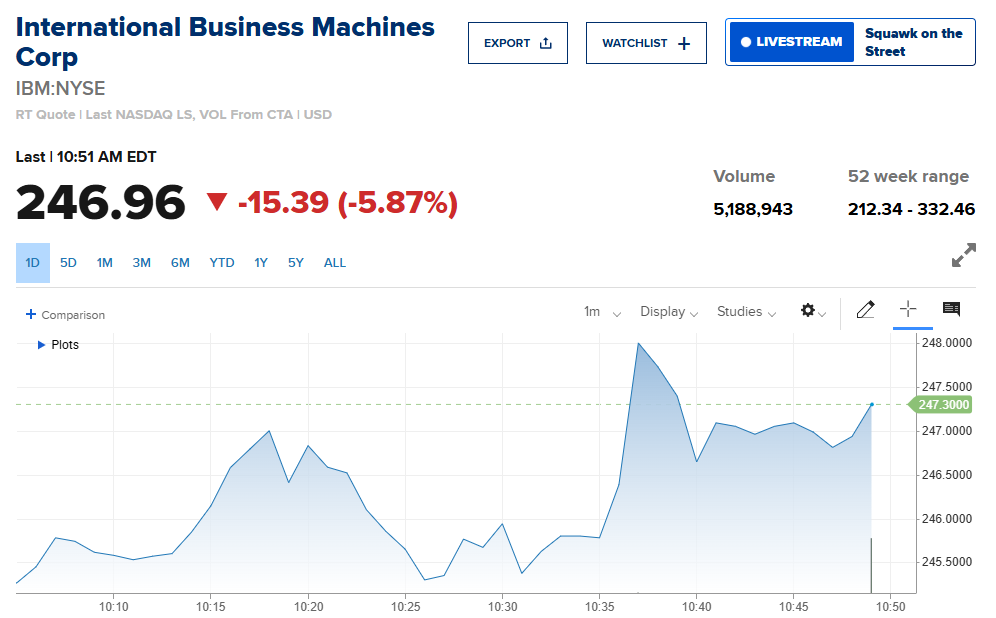
The Capital Friction Of Scale Versus Consistent Cash Inflows
Sustaining high-velocity cloud infrastructure momentum requires an unprecedented volume of capital deployment to finance physical server properties for heavy computational workloads.
The aggressive physical builder reported $9.9 billion in total cloud revenue during its most recent operational quarter, powered by a 93% surge in dedicated infrastructure segments to reach $5.8 billion. To fund this accelerating buildout, the enterprise formalized plans to secure approximately $40 billion through a combination of debt and equity financing.
This heavily leveraged approach exposes the organization to severe structural risks if broader enterprise spending on advanced computational hardware begins to cool. Should macroeconomic liquidity tighten unexpectedly, these massive fixed-asset investments could transform into highly restrictive structural weights.
For long-term portfolio managers, tracking this capital intensity is vital to determining whether the current valuation gap remains mathematically justified.
Enterprise Utility Integrations And Workflow Value Captures
Conversely, corporate clients are remaining deeply anchored to operational efficiency models, favoring established software networks that maintain core digital frameworks without massive capital adjustments. The cash-generative hybrid computing leader capitalizes heavily on this trend, delivering $15.92 billion in total revenue during its latest quarterly disclosure. This performance was driven by a steady 8% expansion in core software systems alongside a powerful 48% surge across specialized mainframe architecture units.
This sustained momentum underscores a fundamental technological evolution where value inevitably migrates from raw physical infrastructure up into the operational software layers.
By focusing intensely on hybrid cloud operating frameworks, open-source enterprise integrations, and robust data security applications, the cash-rich firm operates as an essential enterprise utility. This capital-light strategy allowed the group to expand its operating pre-tax margins by exactly 140 basis points in a single quarter.
Comparative Valuation Multiples And Predictable Capital Returns
The resulting divergence in underlying cash health makes it increasingly difficult to defend the elevated premium applied to the capital-burning infrastructure vendor. The aggressive data center builder currently commands a premium forward price-to-earnings multiple of approximately 23x based on consensus fiscal 2027 earnings projections.
Meanwhile, the highly resilient hybrid software operator trades at a significantly more attractive forward multiple of only 19.6x for the exact same forward timeframe.
Furthermore, the software-focused enterprise provides a highly compelling annualized dividend yield of 2.5% to insulate portfolio balances against broader market volatility.
This tangible yield is anchored by an exceptional 31-year streak of consecutive annual dividend increases, representing a predictable return profile that the physical builder cannot replicate. Lacking comparable liquidity reserves, the infrastructure-focused firm offers a restricted expected dividend yield of roughly 1.0%.
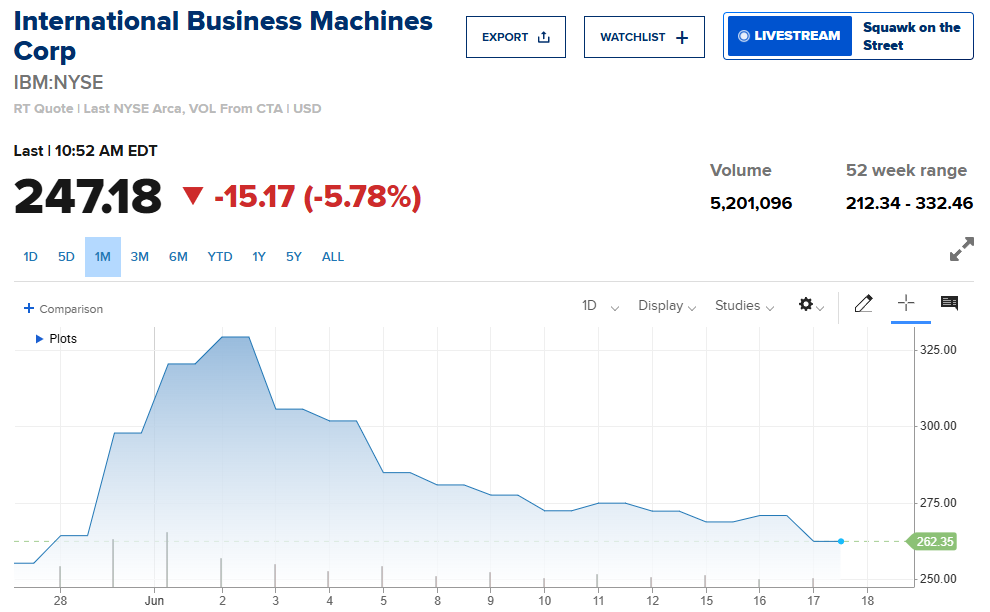
Structural Advantages Across Advanced Operational Environments
In the end, a highly protective valuation floor is provided for the hybrid cloud specialist with the combination of deeply ingrained enterprise dominance and superior free cash generation capability. Pushing its total cash generation to the highest level witnessed in over a decade, the cash-rich firm is capturing long-term workflow value without taking on massive debt burdens.
Despite the fact that both models of computing continue to generate significant commercial revenue, the capital-light utility model provides a prospect that is significantly more favorable when risk is taken into account.
Risk managers are advised to keep strict allocations active across high-intensity hardware builders while shifting structural weight toward resilient, high-yield software systems. Balancing portfolio exposure against these multi-billion-dollar data center burn rates will remain a critical requirement for navigating the next phase of corporate tech spending.
Maximizing long-term capital compounding relies on identifying where true cash generation resides before macro liquidity trends shift.