
The global consumer electronics ecosystem is on the verge of a massive paradigm shift as autonomous software protocols begin replacing traditional mobile applications. A financial analyst at Rubizio reveals that premier semiconductor designers are currently developing more than 40 distinct consumer device architectures optimized specifically for ambient computing.
This aggressive hardware expansion signals a major evolution in how everyday users interact with connected electronics. Silicon manufacturing lines are being systematically re-engineered to handle an influx of highly specialized, context-aware wearables designed to process complex algorithmic tasks natively on-chip.
Corporate leadership notes that this hardware wave features a highly diversified array of compact form factors designed to break the long-standing monopoly of the standard smartphone. The impending consumer rollout encompasses intelligent jewelry, biometric watches, ambient lapel pins, and advanced wireless earbuds equipped with miniature optical sensors.
The primary design objective revolves around crafting highly unobtrusive, always-on endpoints that can continuously observe environmental data streams. By maintaining constant situational awareness, these wearable devices grant users frictionless voice and visual access to highly integrated digital assistants without requiring manual screen activation.
This architectural shift marks the long-awaited evolution of basic digital help desks into comprehensive, autonomous software entities capable of executing multi-stage logistical procedures. Rather than forcing a user to open multiple fragmented software platforms to check financial balances or book complex travel, next-generation agents will handle these workflows seamlessly in the background.
While traditional mobile software applications are not completely obsolete, their operational role is undergoing a dramatic structural mutation. Advanced algorithmic agents are rapidly becoming the primary portal for digital interactions, effectively turning standalone apps into background data providers.

Smart Glasses Expansion And Market Volume Projections
As digital agents claim the center of gravity in consumer tech, the physical relationship between individuals and their handheld devices will transform. Industry analysis suggests that augmented reality smart glasses represent the next high-volume consumer product category capable of matching the historic commercial scale of mobile phones.
Global shipments of smart eyewear have already climbed into the tens of millions of units annually, showing strong compounding growth. Long-term forecasting models indicate that within the next few years, annual distribution metrics could easily surge into the hundreds of millions of units.
To put this structural expansion into perspective, global smartphone distribution networks successfully shipped approximately 1.26 billion units during the previous calendar year. While mobile handsets will certainly remain an essential component of digital infrastructure, they will no longer serve as the exclusive hub of personal data.
Major international technology consortia are rapidly diverting their research capital toward developing lightweight optical frames equipped with embedded spatial cameras. This hardware pivot is attracting a wave of non-traditional consumer electronics manufacturers into the physical device arena, intensifying competition across global supply chains.
Data Acquisition Mandates And Hardware Infrastructure Upgrades
The underlying motivation driving software-focused enterprises to build proprietary physical hardware is the critical requirement for direct data acquisition. Ambient wearable endpoints collect real-world user data on an exponentially larger scale than the static datasets historically utilized to train large language models.
Access to these continuous, localized information streams is absolutely vital for technology firms aiming to develop highly customized, bespoke computing experiences. Consequently, capturing these physical endpoints has become an essential battleground for software developers looking to secure long-term market share.
However, compressing heavy computational workloads into miniature wearable enclosures introduces severe engineering bottlenecks regarding thermal dynamics and battery longevity. To accommodate these highly demanding, decentralized artificial intelligence workflows, foundational silicon platforms must undergo a comprehensive architectural overhaul.
Semiconductor engineers are actively updating their entire product roadmap to achieve unprecedented levels of power efficiency alongside massive gains in localized processing velocity. Current chip designs are fundamentally under-equipped to handle the continuous background tracking and real-time contextual analysis required by next-generation digital agents.
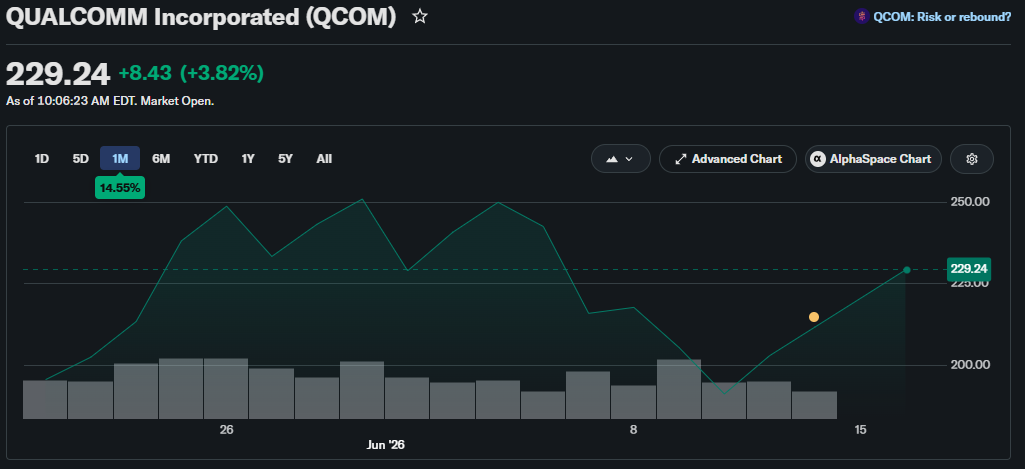
Institutional Market Impacts And Competitive Realignments
From a strict market valuation perspective, this microchip revolution will fundamentally alter the competitive dynamics between traditional hardware legacy brands. Organizations that rely heavily on enclosed software application ecosystems will face intensifying margin pressure as platform-agnostic agents dilute the value of proprietary app stores.
However, merchant silicon providers that deliver high-efficiency, low-power processing units will win many wearable design wins. Portfolio managers are shifting capital from legacy mobile hardware makers to agile semiconductor makers.
For the upcoming quarters, technology analysts must monitor the precise speed of these forty initial hardware rollouts to gauge consumer adoption thresholds. The eventual transition away from touch-screen interfaces toward ambient voice and gesture protocols will fundamentally redistribute global software revenues.
As microchip architectures reach the required efficiency levels, the commercial center of gravity will lock firmly onto the silicon level. Tech desks must remain positioned defensively, prioritizing enterprises that maintain direct control over both the hardware endpoints and the underlying algorithmic models.