
A prominent technology conglomerate is experiencing high-level leadership volatility within its specialized operational automation division. Internal communications circulate confirmation that the primary director tasked with spearheading the enterprise internal workspace transformation is vacating the position.
This unexpected executive departure occurs a mere two months after senior leadership officially assigned the veteran executive to anchor the centralized corporate overhaul.
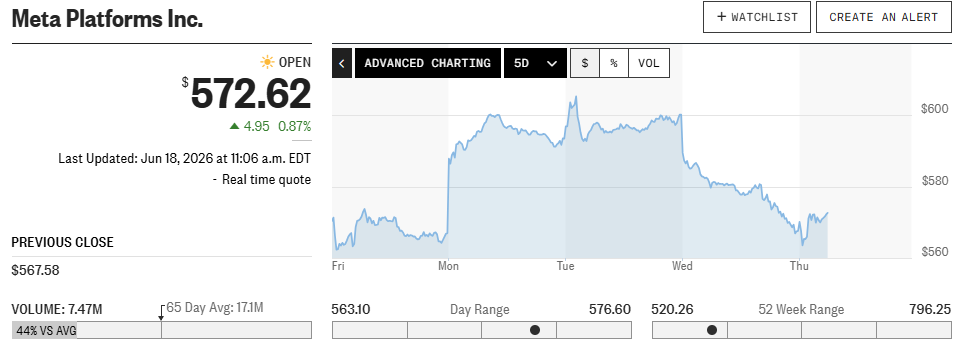
Market data compiled by the equity team at Bankolla indicates that this sudden leadership vacancy complicates an already highly sensitive structural consolidation program.
The departing vice president, who has maintained an influential tenure at the social networking parent firm since the year 2015, previously commanded major product development sectors. This extensive background included overseeing advanced microblogging software rollouts before stepping into the specialized internal architecture task force.
The comprehensive corporate reorganization plan is explicitly engineered to substitute legacy human labor pipelines with autonomous software operators capable of executing intricate digital workflows.
However, this aggressive technological pivot has sparked widespread employee backlash across corporate messaging forums and internal assemblies. Rank-and-file staffers have openly challenged executive leadership regarding a series of highly controversial cost-cutting directives designed to force operational efficiency.
Restructuring Frictions And Automated Performance Tracking Implementations
The overarching corporate overhaul has driven massive workforce adjustments, including the systematic termination of exactly 10% of the aggregate workforce. Concurrently, an identical proportion of the surviving workforce faced mandatory transfers into entirely unfamiliar operational units.
Adding to the internal workforce anxiety, management introduced invasive mouse-tracking analytics tools which many software developers perceive as an automated blueprint to program their own robotic replacements.
The specialized product team was specifically tasked with constructing the primary user interfaces, foundational platform components, automated logic loops, and shared memory networks.
This comprehensive ecosystem was designed to standardize advanced software utilities across the entire enterprise workforce under a unified Agent Transformation Accelerator blueprint formalized in April. A primary pillar of this integration mandate focused on refining the corporation’s chief internal virtual assistant.
Corporate spokespersons have declined to elaborate on the specific reasons underlying the executive’s sudden career transition. However, administrative representatives verified that engineering squads will continue to integrate advanced conversational capabilities directly into the core internal assistant application.
Prior to vacating the post, the departing director emphasized that consolidating these fragmented corporate digital instruments remained a high-priority operational requirement.
System Consolidations And Cross Border Sovereign Regulatory Complications
The strategic roadmap aimed to transform the centralized virtual assistant into the universal starting point for all professional actions, spanning from deep analytical research to sales presentations.
To achieve this, engineering pods plan to pull functional capabilities from advanced software agents that can navigate complex file structures. The master plan also involves deploying persistent workspace memory systems alongside collaborative coding applications operating directly inside secure corporate chat rooms.
Furthermore, development teams were actively preparing to integrate polished monitoring dashboards acquired via a massive $2 billion acquisition of a Singapore-based developer in December.
However, the integration of these high-performance automated agents became exceptionally sensitive due to sudden cross-border geopolitical intervention. Foreign sovereign authorities unexpectedly ordered the complete unwinding of the transaction in the month of April, forcing engineers to immediately sever the startup’s access to core servers.
Despite these severe regulatory hurdles, internal project timelines originally anticipated that the upgraded workspace features would go live for general internal operations by the firm deadline of June 1.
Following the formal resignation disclosure, the departing director confirmed plans to temporarily remain on staff to assist the chief technology officer with team transition logistics. Near-term tech allocators are monitoring whether this management vacuum will decelerate the firm’s broader margin-expansion targets.
Strategic Workforce Impact And Automation Execution Risks
The sudden removal of top-tier product leadership introduces significant execution risks to the platform’s long-term operational efficiency goals. Historically, shifting key architecture leads mid-cycle severely dilutes engineering velocity and extends product rollout timelines across highly synchronized development frameworks.
This leadership vacuum is particularly critical given the high volume of disgruntled internal developers who must continue to train the incoming algorithmic models.
Without a centralized product manager to bridge the deep trust gap between executive leadership and software engineers, programmatic milestones risk falling behind schedule.
Furthermore, the aggressive introduction of automated performance diagnostics has created structural vulnerabilities regarding internal intellectual property protection and overall software quality control. Competitors operating less invasive labor protocols are positioned to exploit this internal friction by poaching high-value engineering talent from the destabilized accelerator pod.
Corporate Governance Realignment And Long Term Valuation Outcomes
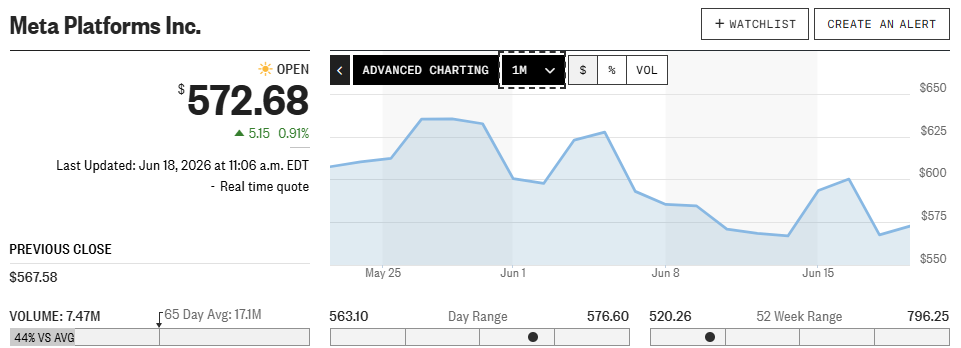
From a governance standpoint, the executive transition highlights a broader institutional challenge regarding the pacing of deep corporate transformations. Institutional equity research desks emphasize that while autonomous worker replacement models look attractive on paper, near-term deployment costs frequently erase expected margin expansions. Active portfolio managers are reassessing near-term valuation models to determine if automated workplace metrics can successfully absorb these mounting organizational frictions.