
The S&P 500 Information Technology sector posted 54.3% earnings growth in Q1 2026, yet tech stocks regularly sold off after reporting those exact numbers. CrowdStrike beat estimates and fell 10%. Palo Alto beat estimates and fell 5.6%.
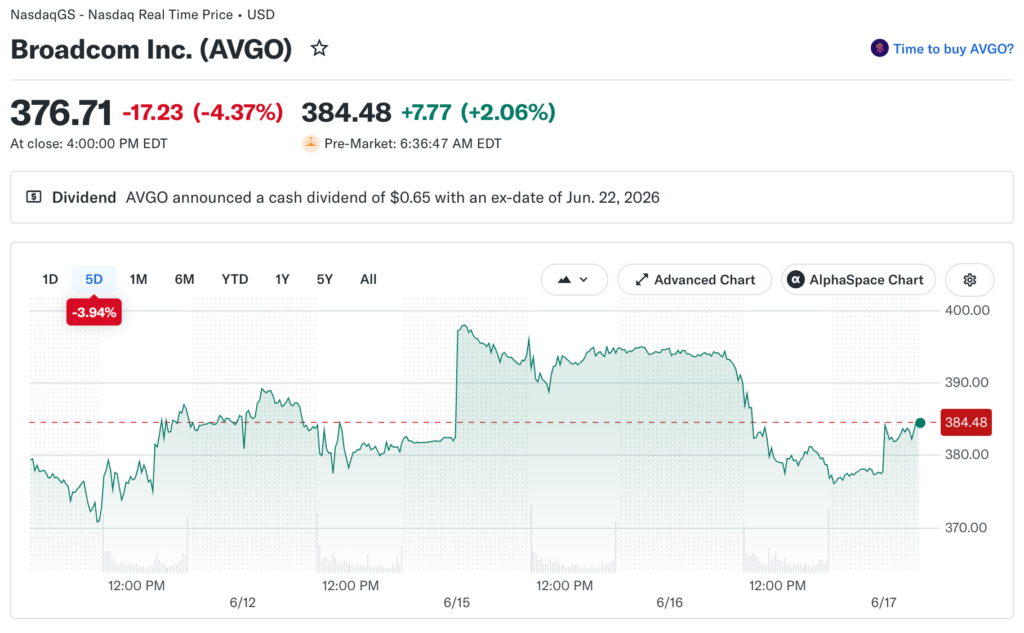
Broadcom met guidance and triggered a sector-wide selloff that erased $1.3 trillion in semiconductor market value. The brand’s senior financial advisor mentions that Nummvix sees a consistent pattern emerging that investors need to understand before the next batch of earnings hits the market.
The Bar Keeps Moving Higher Than the Numbers
In a normal earnings environment, beating analyst estimates is sufficient to generate positive stock price reactions the majority of the time. That relationship has broken down in 2026 for stocks that have rallied aggressively in the months before their earnings release.
The math is straightforward once you understand the mechanism. When a stock rises 97% in eight weeks as CrowdStrike did between April and early June, analysts rush to revise their estimates upward. But the stock price has already moved to price in those revisions and then some.
By the time earnings arrive, the company needs to not just beat the current estimate but beat a level that justifies the new, elevated stock price. That is a fundamentally different and harder test than simply topping Wall Street’s consensus number.
Broadcom’s June 3 guidance reiteration is the clearest example of this dynamic at scale. The company did not miss. It simply refused to raise its forecast beyond what it had already committed to. That was treated as a miss by a market that had priced in acceleration. The result was a 15% single-session decline that cascaded into a 10% SOXX selloff within days.
Earnings Breadth Is Narrowing Fast
Strip away the handful of companies doing the most work and the Q1 earnings picture looks significantly weaker than the headline numbers suggest. Information Technology’s 54.3% earnings growth drops to 30.1% when Nvidia and Micron are removed. Communication Services’ 48.9% growth flips to a 4.1% decline when Alphabet and Meta are excluded.
That means the majority of S&P 500 components in these sectors are delivering flat to modest earnings growth, while a small cluster of AI-adjacent names carries the index-level performance. When even those leading names disappoint relative to the expectations embedded in their prices, there is nowhere for index performance to hide.
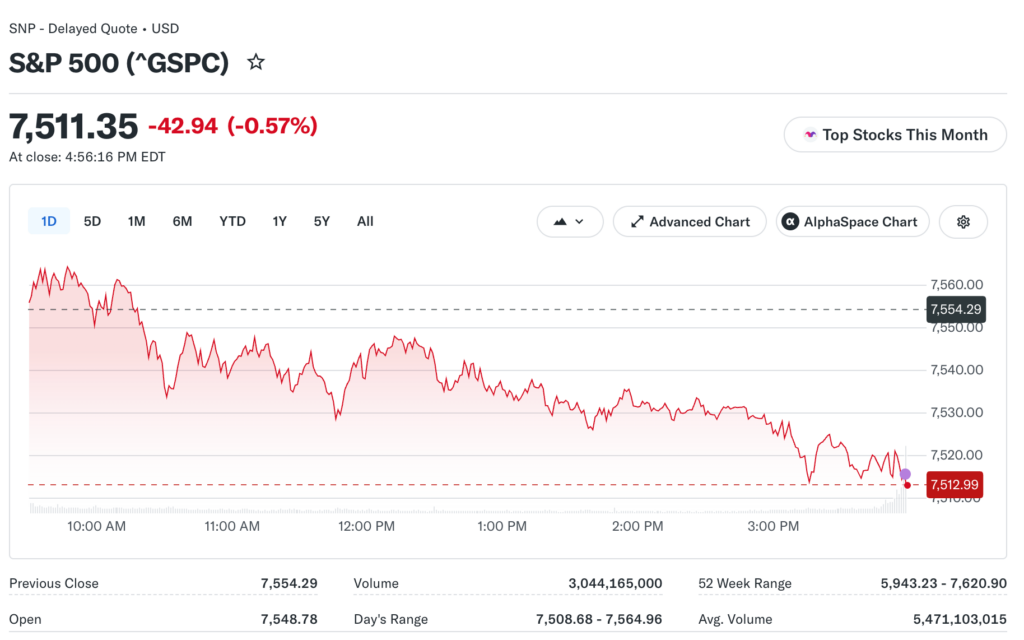
Eight of eleven S&P 500 sectors declined in May despite the headline index posting a 5.26% gain for the month. That is the definition of a narrow market where the average stock is underperforming the index, which creates fragility that is not visible until one of the leading stocks misses.
What Sectors Are Actually Holding Up
The divergence between sectors has created some genuinely interesting positioning opportunities that the AI narrative has obscured. Industrials showed resilience through the ceasefire-driven Dow rally, with the index closing above 52,000 for the first time on June 16, adding 329 points while the Nasdaq fell 1.15% on the same day.
Healthcare has been quietly building a case for relative outperformance. With energy costs falling on the Iran ceasefire, the input cost pressure that has weighed on healthcare margins for months is beginning to ease. Sector earnings growth is less flashy than technology but also less dependent on a single AI narrative holding together quarter after quarter.
Financials are benefiting from both the elevated interest rate environment and the record M&A activity that Goldman Sachs crystallized with its $1 trillion advisory milestone on June 16. Higher rates support net interest margins at banks, and elevated deal volumes boost investment banking fee income simultaneously.
The Stock Split Trend and What It Signals
CrowdStrike announced a 4-for-1 stock split effective July 2, 2026. Stock splits do not change fundamental value but they do signal management confidence in the stock’s trajectory and reduce per-share price to improve retail accessibility. Historically, stocks that announce splits in the aftermath of sharp selloffs tend to see improved retail participation in the weeks following the split date.
This trend is worth tracking across other high-priced AI and technology names that have not yet split. If the pattern continues, more announcements could follow later in 2026, each creating short-term trading catalysts independent of earnings.
Reading the Market Before Q2 Results Arrive
The Q2 2026 earnings season begins in earnest in mid-July, and the bar-clearing problem will be even more acute for stocks that have recovered strongly after the June selloffs. Micron reports on June 24, providing the first major data point on whether the AI memory demand cycle is accelerating or plateauing.
Investors should track remaining performance obligations and net new annual recurring revenue as the metrics that best separate genuine AI demand from narrative-driven pricing. Those numbers show committed future revenue rather than what has already been recognized, giving a cleaner read on where actual business momentum sits relative to current stock prices.