
Oil markets moved sharply this week following renewed disruption to shipping through the Strait of Hormuz, a critical corridor for global energy exports. The uncertainty added to a year that has already seen oil prices swing from record highs to sharp declines and back again, driven largely by ongoing tension in the region.
For retirees drawing income from a portfolio, this kind of recurring geopolitical volatility is not a background story to watch from a distance. A senior advisor at Prime Lake Capital says pension planning increasingly needs to account directly for this kind of shock as a recurring feature of the current environment, not an occasional exception.
Why Energy Volatility Reaches Further Than Gas Prices
Oil price swings affect far more than what retirees pay at the pump. They influence broader inflation trends, transportation and shipping costs embedded across the economy, and the performance of energy-linked stocks and funds that many retirement portfolios hold directly or indirectly through broad market index exposure.
This week’s tension arrived during the same stretch that produced encouraging inflation data, with June’s Consumer Price Index cooling to a 3.5 percent annual rate. That contrast, cooling inflation alongside renewed energy market uncertainty, illustrates how quickly the underlying picture can shift in ways a fixed retirement plan needs room to absorb.
Why the Shipping Corridor Itself Carries Outsized Economic Weight
The Strait of Hormuz carries a substantial share of the world’s seaborne oil exports, making disruption to the corridor a meaningfully different kind of shock than most regional geopolitical events.
A relatively contained disruption there can move global energy prices far more than a similarly sized event in a less strategically significant location, which is part of why markets react as sharply as they do each time tension resurfaces.
A senior advisor at Prime Lake Capital treats this corridor specifically as a recurring watch point in client portfolio reviews, given how consistently it has resurfaced as a market-moving factor over the past year.
What a Genuinely Resilient Plan Looks Like in Practice
Resilience does not mean avoiding energy exposure entirely, since energy remains a meaningful part of a well-diversified global portfolio.
It means sizing that exposure deliberately, understanding how much a retiree’s income would be affected if energy markets moved sharply in either direction, and ensuring no single geopolitical flashpoint carries outsized influence over a retiree’s month-to-month financial stability.
Building Geopolitical Resilience Into a Pension Strategy
Pension planning built for genuine resilience does not attempt to predict exactly when or how the next geopolitical shock will unfold. It builds in enough flexibility that a retiree’s income needs do not depend on any single region or energy market remaining calm.
This typically means diversifying retirement income sources beyond a concentration in any single sector, including reduced reliance on energy-heavy holdings that can swing sharply on headlines tied to a single shipping corridor thousands of miles away.
What This Week’s Market Reaction Actually Showed
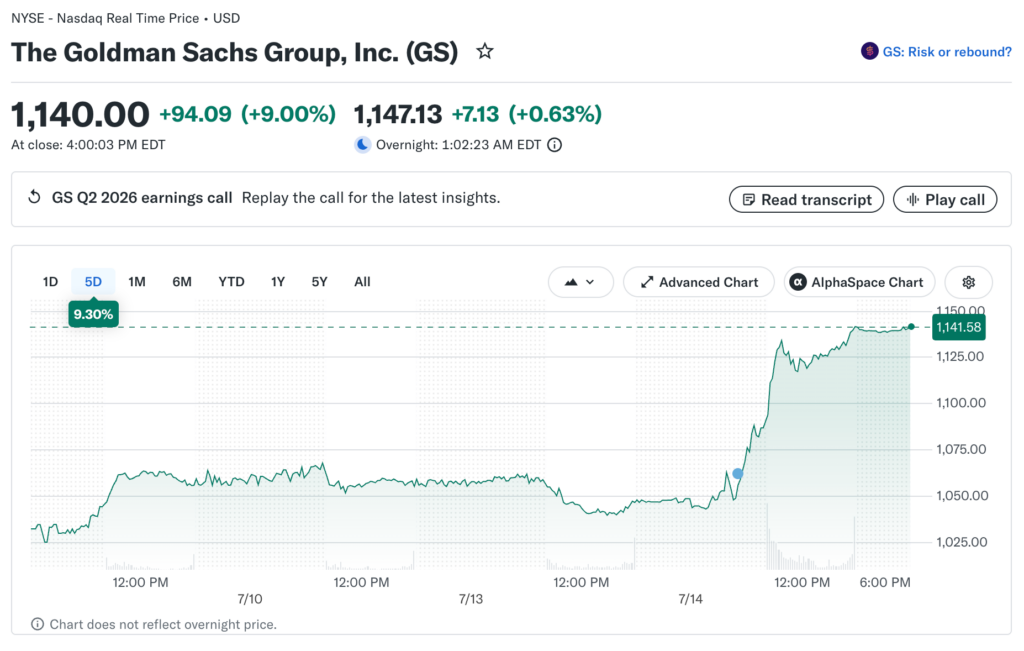
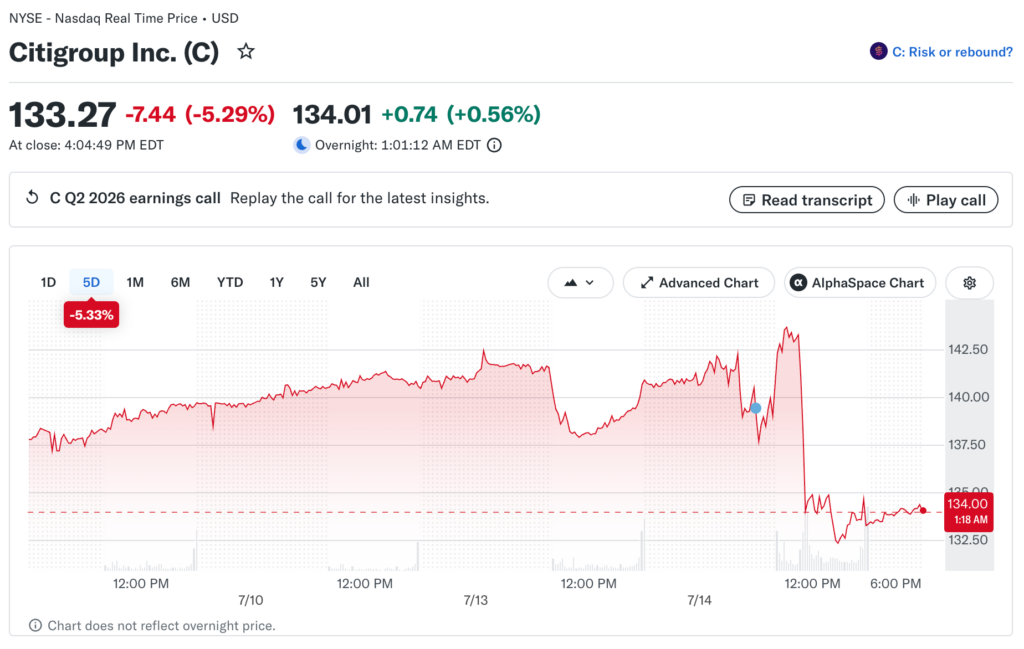
Despite the renewed tension, the S&P 500 still managed to close at 7,543.59 on Tuesday, supported partly by encouraging inflation data and strong bank earnings results from Goldman Sachs and Citigroup. That resilience reflects a broader market that has, over the past year, become somewhat accustomed to absorbing periodic geopolitical shocks without a full-scale reversal.
This does not mean every future shock will be absorbed as smoothly. A portfolio strategist at Prime Lake Capital cautions against assuming markets will always shrug off this kind of tension, since the underlying geopolitical risk itself has not been resolved, only priced in more calmly than it might be in a future, more severe episode.
Why Retirees Specifically Need to Plan Differently Than Accumulating Investors
An investor still building wealth generally has time to wait out a geopolitical shock and recover through continued contributions and market growth. A retiree drawing fixed or semi-fixed income does not have that same runway, making it more important that a retirement income strategy does not depend on energy markets, or any single geopolitical flashpoint, staying calm.
Alternative income sources, including portfolio-backed structures that do not depend directly on oil-linked equity performance, offer one way to reduce this specific dependency, though none eliminate market risk entirely or guarantee a fixed return regardless of how the broader geopolitical picture evolves.
Planning for a World That Keeps Producing These Weeks
The Strait of Hormuz has generated market-moving headlines repeatedly over the past year, and this week’s renewed tension is unlikely to be the last episode of its kind. Retirees and pension planners who build portfolios assuming genuine calm ahead face a harder adjustment each time tension resurfaces.
Those who build in resilience from the start, accepting that this kind of volatility is a recurring feature of the current environment rather than a rare exception, tend to weather these weeks with far less disruption to their actual income needs.