
SK Hynix trading in two markets at once created a genuine valuation puzzle this week, and it shows exactly what modern portfolio tools are built for. SK Hynix shares have moved in two different directions this week depending on which market an investor was watching.
The chipmaker jumped 13 percent in its Nasdaq debut, reflecting strong appetite from U.S. investors for AI-linked semiconductor names. Its Korean-listed shares then tumbled more than 15 percent in Seoul, dragging South Korea’s Kospi index down almost 9 percent, as investors booked profits and questioned whether the stock’s sharp run had gotten ahead of itself.
That kind of split, the same company valued very differently across two markets within days of each other, is exactly the sort of puzzle a portfolio strategist at Prime Lake Capital says modern analytical tools are built to catch quickly, well before it becomes an obvious headline.
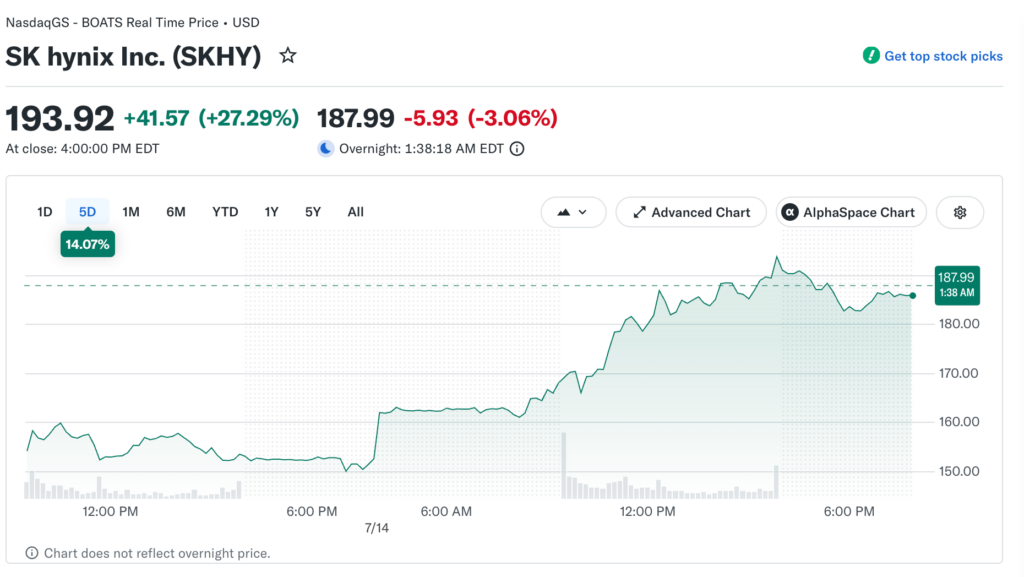
Why the Same Company Traded So Differently in Two Places
Analysts pointed to a mix of factors behind the divergence. The Nasdaq debut created a new, separate benchmark for valuing the company, and U.S. investors reacted to it independently of how the stock had already traded in Seoul.
The Korean-listed shares, by contrast, reflected profit-taking after a substantial rally built up over the prior year, with investors trimming positions that had grown significantly rather than reversing their view of the underlying artificial intelligence demand story.
Both reactions can be individually reasonable while still producing a confusing overall picture for an investor trying to understand what the company is actually worth.
Where Automated Analysis Adds Genuine Value
AI-driven portfolio analysis exists specifically to catch situations like this quickly, flagging when the same underlying exposure is priced differently across markets or related securities.
A portfolio holding exposure to SK Hynix through different instruments, whether directly, through a fund, or through related suppliers, benefits from understanding this valuation gap promptly rather than discovering it days later through a news summary.
Institutional-grade technology can model this kind of cross-market discrepancy in near real time, giving an advisor a clearer picture of a client’s actual exposure and its consistency across different holdings.
Why Cross-Market Listings Create This Kind of Gap More Often
SK Hynix’s situation is not unique to this one company. Any business listed simultaneously across multiple exchanges can develop temporary valuation gaps, since investor bases in different regions often react to the same information with different timing, risk appetite, and local market context.
A new listing, like this week’s Nasdaq debut, tends to widen that gap initially, since U.S. investors are effectively pricing the stock fresh rather than adjusting an existing view.
A portfolio strategist at Prime Lake Capital watches for this pattern specifically around new cross-listings, since the period immediately following a debut like this one often produces the largest and most informative valuation discrepancies.
Investors with exposure to SK Hynix, whether direct or through broader semiconductor funds, benefit from watching whether the Nasdaq and Seoul valuations begin converging or continue diverging in the coming weeks.
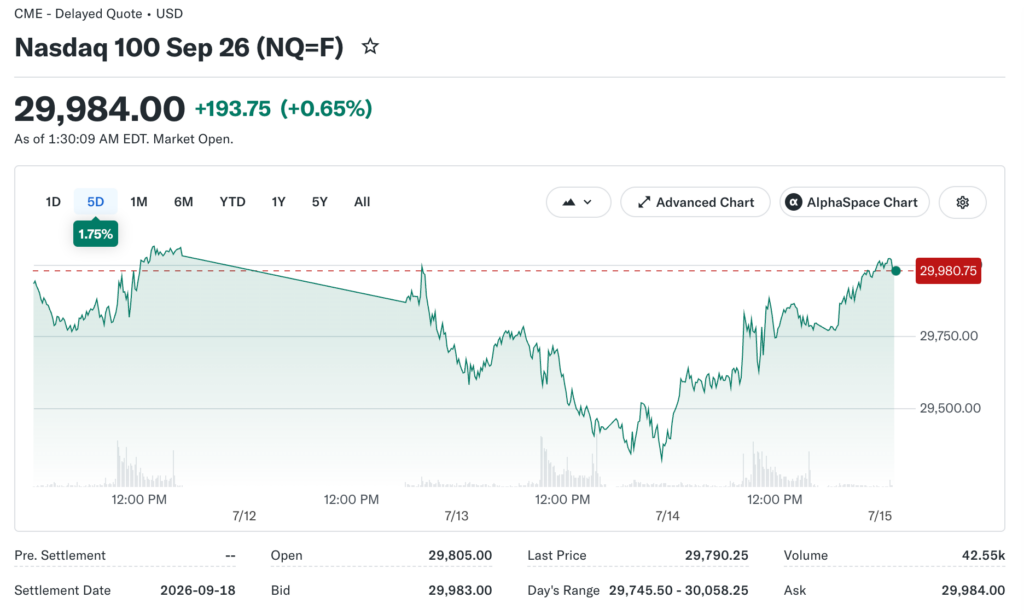
What This Reveals About the AI Infrastructure Theme More Broadly
Despite the sharp pullback in Seoul, analysts interviewed this week described the underlying demand story for high-bandwidth memory chips as intact, tied to the next phase of artificial intelligence applications including agentic systems and robotics. The volatility reflected repositioning around valuation, not a reversal of the broader demand trend.
This distinction, between a genuine change in a company’s fundamental outlook and a valuation adjustment following a sharp prior rally, is precisely the kind of nuance that a portfolio strategist at Prime Lake Capital works to separate clearly for clients, rather than treating every price move as equally meaningful.
The Limits of Even the Best Analysis
No amount of technology or analysis eliminates the underlying volatility in a stock like SK Hynix, which has moved sharply in multiple directions within a matter of days.
Alternative investment strategies and diversified exposure across the broader semiconductor sector can reduce the impact of any single company’s volatility on an overall portfolio, though they do not eliminate market risk or guarantee a specific outcome.
A senior advisor at Prime Lake Capital frames technology’s role honestly, as a tool that surfaces information faster, not one that removes risk from an inherently volatile sector.
What This Week’s Chip Volatility Actually Teaches
SK Hynix’s split performance across two markets this week is a genuinely useful case study in how quickly modern markets can create confusing, seemingly contradictory signals about the same underlying company.
Investors and advisors equipped to see both sides of that picture clearly, and quickly, are better positioned to separate a real shift in fundamentals from ordinary repositioning after a strong run. That clarity, more than any single price move, is what genuinely useful portfolio analysis is meant to provide.