
This week’s cooler-than-expected CPI Data Has Real Implications for How Retirees Structure Withdrawals, beyond the Immediate Market Reaction. June’s Consumer Price Index came in well below expectations this week, falling a seasonally adjusted 0.4 percent for the month, the largest monthly decline in more than six years.
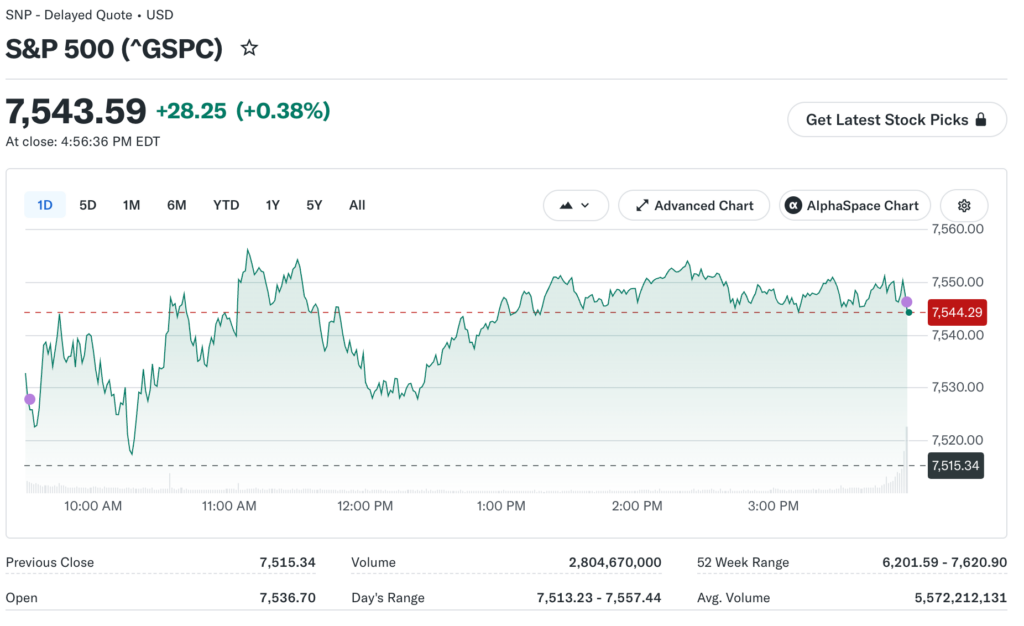
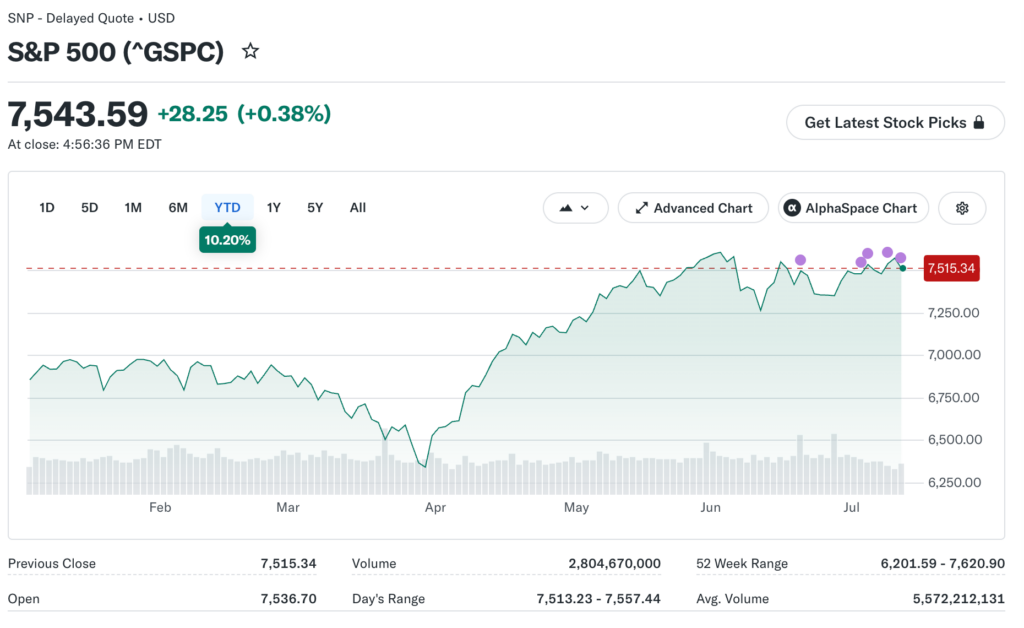
The annual inflation rate eased to 3.5 percent, below the 3.8 percent economists had forecast, while core inflation held steady at a 2.6 percent annual rate. Markets responded favorably, with the S&P 500 closing Tuesday at 7,543.59.
For retirees drawing income from a portfolio, a data release like this carries implications well beyond a single day’s market move. A senior advisor at Prime Lake Capital says cooling inflation directly affects how much purchasing power a fixed withdrawal actually provides, and retirees benefit from understanding that connection clearly.
Why Inflation Matters More to Retirees Than to Accumulating Investors
An investor still building wealth generally has time to recover from inflation-driven cost increases through continued income and future contributions. A retiree drawing a fixed or semi-fixed income from savings does not have that same flexibility, making inflation trends a far more immediate concern for retirement income planning.
A month of cooling inflation, like this one, offers welcome relief after a stretch where retirement income needed to stretch further against rising costs. It does not fully offset a longer period of elevated inflation, and retirees should be cautious about reading one strong month as a lasting trend.
Why One Data Point Rarely Justifies an Immediate Change
Retirement withdrawal strategies are typically built to withstand normal month-to-month variation in economic data, precisely because reacting to every individual report would create constant, disruptive adjustments to a plan meant to provide stability.
This week’s data, however encouraging, fits within that normal range of variation rather than representing a clear structural shift on its own.
A senior advisor at Prime Lake Capital reviews inflation trends over rolling multi-quarter windows specifically to avoid this kind of reactive adjustment, checking whether a single strong or weak month fits an established pattern or breaks meaningfully from it before recommending any change to a client’s actual withdrawal rate.
What Retirees Should Actually Track Going Forward
Rather than reacting to this single report, retirees are better served tracking whether the next several inflation releases confirm the same cooling trend. A genuine, sustained shift lower in inflation would support a more confident case for reducing future withdrawal adjustments, while a reversal in the coming months would suggest this week’s data was more of an anomaly than a durable turn.
How This Data Point Affects Withdrawal Strategy Specifically
Many retirement withdrawal strategies include an annual inflation adjustment, increasing the withdrawal amount to keep pace with rising costs. A month of unusually low or even negative inflation, as this week’s data showed, raises a genuine question about whether that adjustment should be applied at the same pace going forward.
This is not a decision to make reflexively based on one month of data. A portfolio management approach built around a documented plan reviews inflation trends over a longer window, typically several quarters, before adjusting a retiree’s actual withdrawal rate.
The Bond Market Connection Retirees Often Overlook
Cooling inflation typically shifts expectations for future interest rate decisions, which in turn affects bond prices and yields. Retirees holding a meaningful allocation to bonds as part of their income strategy should understand how this week’s data might affect the income those holdings generate going forward.
This connection between a single economic data release and a retiree’s actual monthly income is exactly the kind of coordination that distinguishes structured pension planning from simply holding a generic mix of stocks and bonds without an active management approach.
Reading This Week Without Overcorrecting
Markets reacted positively to this week’s inflation data, and the broader economic signal is genuinely encouraging. It does not, however, guarantee that inflation will continue easing at the same pace in coming months, particularly given ongoing volatility tied to oil prices and renewed tension around the Strait of Hormuz.
A portfolio strategist at Prime Lake Capital cautions retirees against making significant withdrawal adjustments based on a single encouraging data point, since inflation trends can shift again quickly, as they have several times over the past year.
What Retirees Should Actually Do With This Data
The right response to this week’s inflation report is not to overhaul a withdrawal strategy overnight. It is to note the data point, discuss it within the context of a broader plan, and revisit the actual withdrawal rate only after a clearer trend emerges over several months.
No single inflation report, however encouraging, guarantees a specific future outcome for retirement income. What it does provide is one more piece of information that a well-structured plan should account for, rather than react to in isolation.