
Retirement income used to follow a simple script. Draw from stocks in good years, lean on bonds when markets wobble, and keep a small cash buffer for emergencies. That script is getting rewritten. On July 13, 2026, gold traded near $4,001 per ounce, down almost 3 percent on the day.
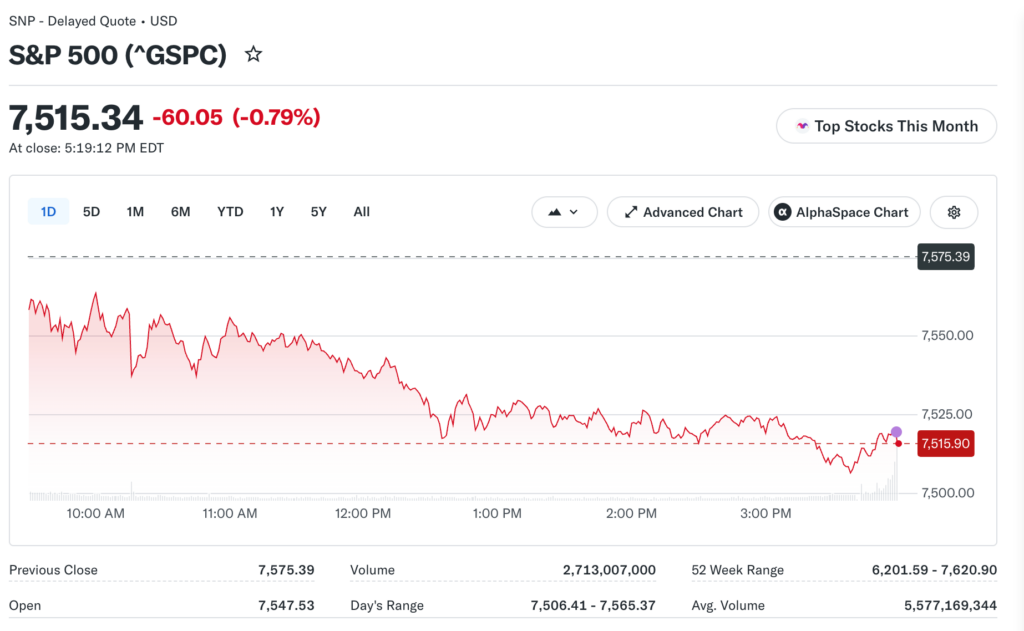
The S&P 500 sat near 7,546, pulled lower by tech weakness after a sharp selloff in memory chip names. A senior wealth advisor at Prime Lake Capital says this kind of two-way volatility is exactly why retirement income planning needs more than a single formula.
Why the old withdrawal rule is losing relevance
The classic four percent withdrawal rule assumed steady, predictable markets. It rarely accounts for a week where gold drops sharply while equities also slide on geopolitical tension. Retirees pulling from a portfolio during a stretch like that risk locking in losses across every asset class at once.
Sequence risk is the real danger here. A retiree who withdraws income during a downturn locks in losses that a portfolio may never fully recover from, even after markets rebound. Advisors increasingly build in flexible withdrawal bands tied to actual portfolio performance rather than a fixed percentage.
Where alternative income sources fit
Traditional retirement portfolios lean heavily on dividend stocks and bond coupons. Neither performed cleanly this week, with Treasury yields reacting to inflation concerns raised in the Federal Reserve’s June meeting minutes.
Alternative income sources are getting more attention as a result. These include private credit positions that generate income independent of public market swings, real asset exposure such as infrastructure and select real estate income streams, and structured notes tied to specific outcomes rather than broad index performance.
Each carries its own risk profile and none guarantees a fixed return. A portfolio strategist at Prime Lake Capital frames these as diversification tools, not replacements for a properly funded core portfolio.
The custody question retirees rarely ask
Few retirees ask where their retirement assets actually sit. Segregated account structures, where client holdings are kept separate from a firm’s own balance sheet, matter more during periods of banking stress. Recent intelligence reports questioning the stability of some overseas banking systems have renewed attention on this question among advisors globally.
A retirement account held in a segregated structure is not exposed to a firm’s own financial troubles the same way a pooled account can be. That distinction rarely comes up until it matters, and by then it is often too late to change course.
Reading the current market without overreacting
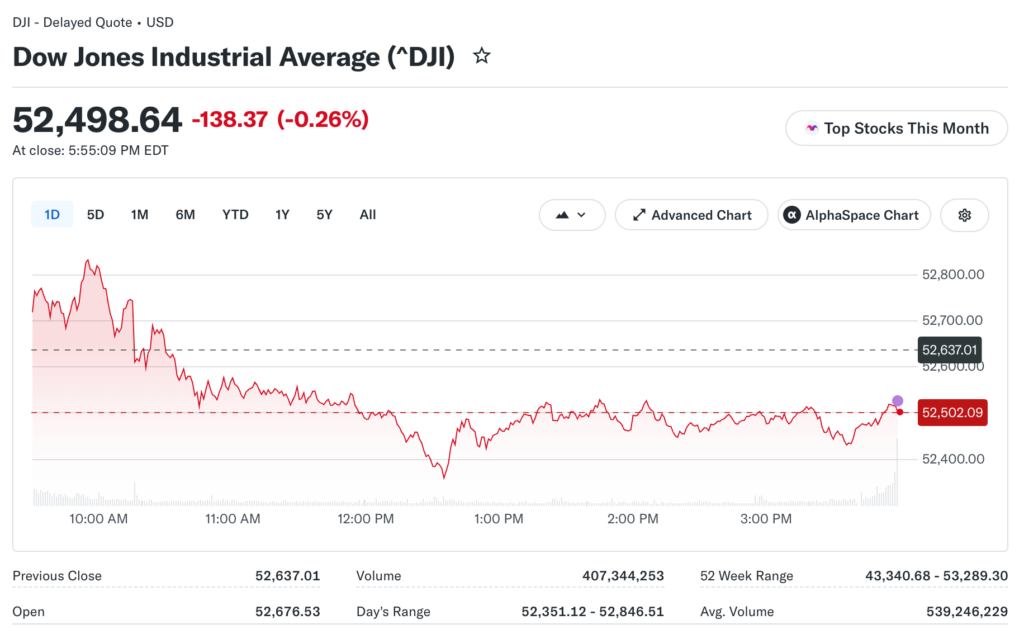
Monday’s session showed how quickly sentiment can shift. Energy stocks helped cushion the Dow Jones Industrial Average, which held near 52,528, as oil prices jumped roughly 5 percent on Middle East tensions. Meanwhile semiconductor names came under heavy pressure after a steep single day decline in a major Asian chipmaker.
None of this changes a retiree’s long term income need. What it does change is the case for building a portfolio that does not depend on any single sector or asset class performing well at the same time. Diversification across asset types, not just across stocks, is the practical lesson from a week like this one.
Building a plan that survives a bad week
A retirement plan built for one steady market environment rarely survives contact with a week like this one. Advisors increasingly stress test client portfolios against scenarios that combine equity and commodity stress at the same time, rather than modeling each risk separately.
This kind of testing does not predict the future. It shows a retiree, in concrete terms, how a portfolio would hold up if several bad things happened together, closer to what markets delivered this Monday.
Coordinating income sources instead of managing them separately
Many retirees manage Social Security, a small pension, and investment withdrawals as separate decisions made at different times. Retirement income planning works better as one coordinated strategy, timed to reduce pressure across sources during a weak stretch.
Delaying a discretionary equity withdrawal during a week like this one, and drawing instead from a cash buffer, can reduce the long-term damage of selling into weakness.
What Retirees Should Watch Next
Earnings season begins this week, with several major financial institutions reporting second quarter results. Their commentary on lending conditions and consumer strength will offer clues about where the broader economy stands heading into the second half of the year.
Retirees managing income through retirement accounts should watch three things closely: how bond yields respond to any inflation surprises, whether gold stabilizes after its recent pullback, and how equity markets digest bank earnings. None of these alone determines a retirement plan’s success.
Together, they shape the environment retirees will need to withdraw income from for years to come. Working with an advisor who monitors all three, rather than reacting to headlines in isolation, remains the more dependable approach for long term financial security.