
June inflation data released this week came in well below expectations, with the Consumer Price Index falling a seasonally adjusted 0.4 percent for the month, the largest monthly decline in more than six years.
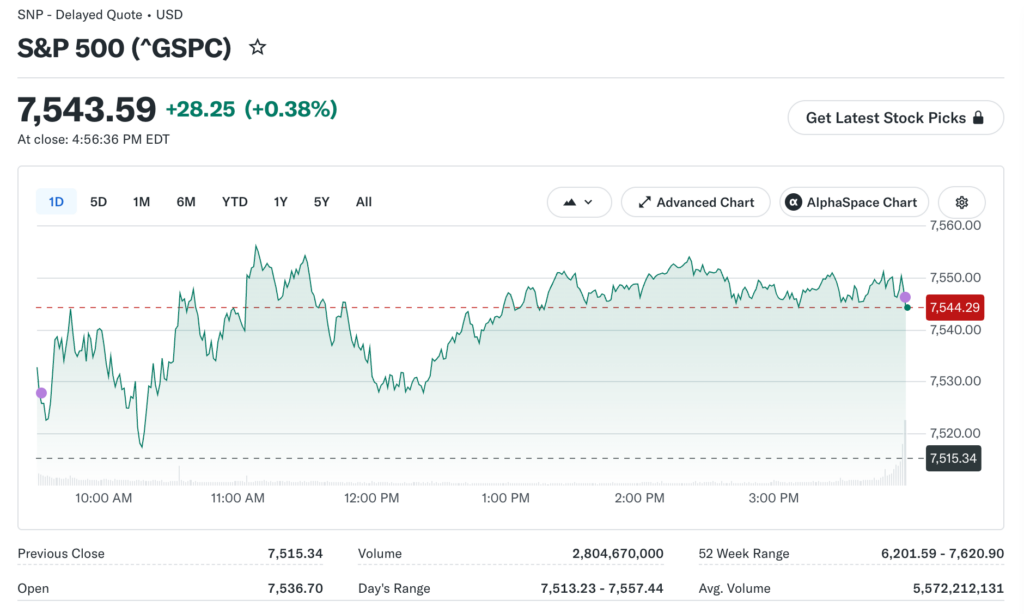
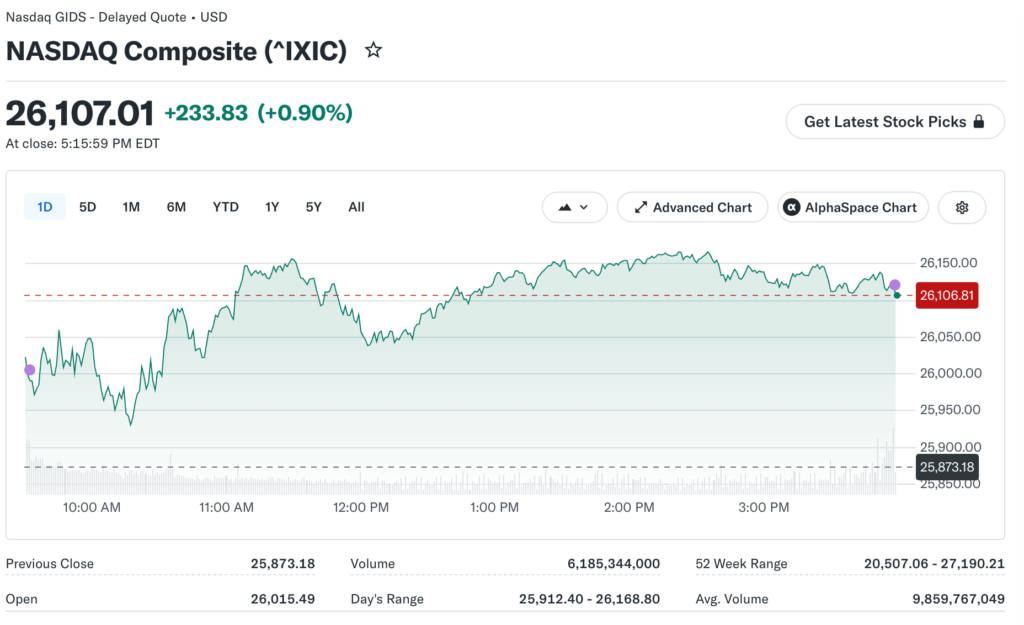
The annual inflation rate eased to 3.5 percent, below the 3.8 percent economists had forecast. The S&P 500 rose on the news, closing Tuesday at 7,543.59, up 0.38 percent, while the Nasdaq Composite gained 0.9 percent to finish at 26,107.01.
Markets read this as good news, and in many respects it is. But a senior advisor at Prime Lake Capital points out that a single month of cooling inflation does not resolve the longer-term questions many investors are already asking about how their wealth is managed, particularly as private wealth platforms continue gaining ground against traditional advisory models.
What Is Actually Driving the Shift
Private wealth platforms have grown steadily by offering something traditional banks and brokerage firms have historically struggled to provide at scale: a coordinated plan built around an individual client rather than a menu of standardized products. This week’s inflation surprise is a useful example of why that distinction matters.
A generic bank notice might simply report that inflation cooled and markets rose. A coordinated wealth management relationship should be able to explain what that specific data point means for a client’s own bond holdings, withdrawal strategy, and near-term financial decisions.
Why a Single Month of Data Rarely Settles Anything
Economic data releases like this week’s CPI report tend to generate outsized reactions relative to how much any single month actually changes a longer-term outlook. Inflation trends typically unfold over multiple quarters, and one encouraging report, however welcome, does not on its own confirm that the broader trend has shifted durably lower.
A wealth advisor at Prime Lake Capital reviews inflation data as part of an ongoing pattern rather than treating any single release as decisive. This matters particularly for clients making decisions tied to borrowing costs or fixed income allocations, where reacting too quickly to one data point can mean adjusting a strategy that did not actually need to change.
How Private Platforms Translate Data Into a Specific Plan
The real value private wealth platforms offer during a week like this one is not access to the data itself, which is publicly available to anyone. It is the ability to translate that data into specific, actionable guidance tied to an individual client’s actual holdings, tax situation, and near-term goals, something a standardized bank notice rarely attempts to do with any real precision.
Why Rate Expectations Matter Beyond the Headline
Cooling inflation data typically shifts expectations for future interest rate decisions, which in turn affects bond yields, mortgage rates, and the broader cost of borrowing. Investors holding portfolio-backed liquidity arrangements or considering new borrowing against their portfolio should understand how shifting rate expectations affect the terms available to them.
This kind of connected analysis, linking a macroeconomic data release to a specific client’s borrowing or income strategy, is precisely the coordination that has fueled demand for private wealth platforms over standard retail banking relationships.
The Technology Layer Behind the Shift
Institutional-grade technology increasingly allows private wealth platforms to model these connections quickly, showing a client in near real time how a specific data release might affect their broader financial plan. This capability was once limited to large institutional trading desks and is now extending into private client relationships.
Technology alone does not replace the judgment required to interpret what a shift means for an individual client’s actual goals. It does allow that judgment to be applied faster and with more precision than a manual review would allow.
Reading This Week Without Overreacting
A single month of cooling inflation, however encouraging, does not eliminate the broader uncertainty investors have navigated this year, including ongoing tension tied to the Strait of Hormuz and continued volatility in technology and semiconductor stocks. Long-term financial growth depends on a strategy built to withstand months that look very different from this one.
A portfolio strategist at Prime Lake Capital cautions against treating any single data release, positive or negative, as a signal to meaningfully restructure a long-term plan. No inflation report, rate decision, or single week of market performance can guarantee a specific future outcome.
The Platforms Investors Are Choosing and Why
The shift toward private wealth platforms reflects a broader recognition that markets move on interconnected data, from inflation reports to bank earnings to geopolitical headlines, and that a fragmented banking relationship struggles to keep pace with those connections.
Investors evaluating their own financial relationship this week have a live example in front of them: how quickly and clearly did their advisor explain what cooling inflation actually means for their specific plan. That answer, more than any single data point, tends to reveal where the ground has genuinely shifted.