
Second quarter bank earnings began rolling in this week with results that varied sharply from one institution to the next.
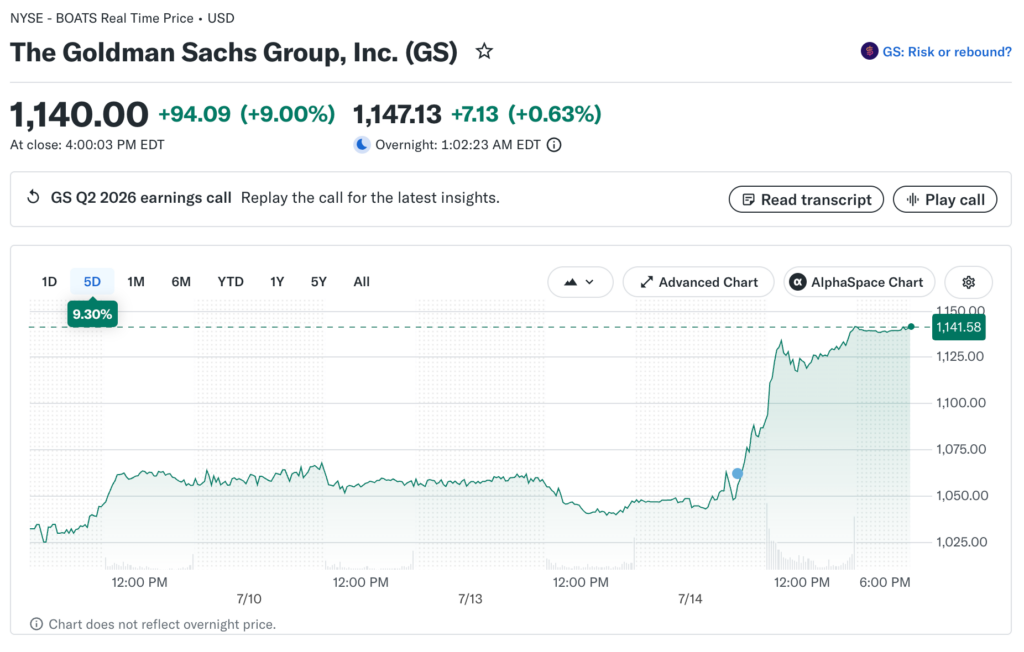
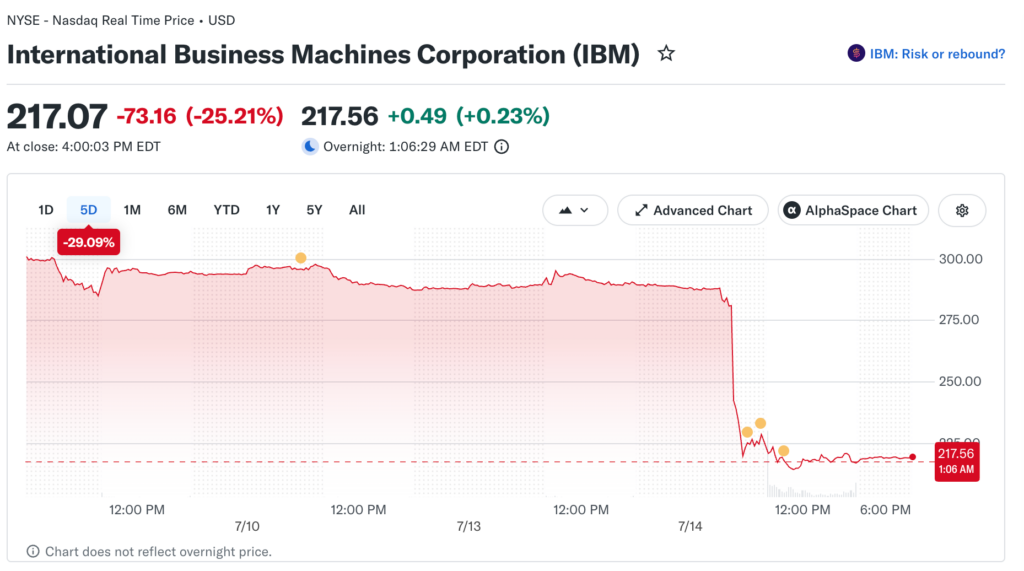
Goldman Sachs posted earnings of $20.98 per share, far above the $14.48 analysts had expected. Citigroup beat revenue estimates as well, reporting $24.77 billion against a forecast of $23.74 billion. Meanwhile IBM shares tumbled roughly 25 percent after warning of a weaker than expected quarter.
That spread, strong results at some firms and a sharp warning at another, is exactly the kind of week where investors either feel in control of their own portfolio or feel like passengers watching headlines decide their outcomes for them. A senior advisor at Prime Lake Capital says client control is not a marketing phrase. It describes a specific, structural difference in how a portfolio relationship actually works.
What Control Looks Like in Practice
Client control means an investor understands what they own, why they own it, and what would need to change before an advisor recommends adjusting a position. It does not mean an investor manages every trade personally. It means decisions are made with full visibility rather than delegated blindly.
This distinction matters most during a week like this one. An investor with genuine visibility into their portfolio knows immediately whether IBM’s warning affects their own holdings meaningfully or barely touches them. An investor without that visibility is left waiting for a statement or a phone call to find out.
What Genuinely Undermines Control, Even When Nobody Intends It
Some of the structural choices that erode client control are not deliberate.
A relationship built around infrequent, generic communication can leave a client uninformed simply because nobody at the firm prioritized reaching out during a busy earnings week. A fee structure that is technically disclosed somewhere in the paperwork but never actually explained in plain language still leaves a client without real understanding, even though nothing was hidden outright.
A senior advisor at Prime Lake Capital treats this distinction carefully, since the absence of bad intent does not restore the control a client lost through a relationship that simply was not built with enough proactive communication in mind.
Why This Earnings Season Is a Particularly Useful Test
Weeks with this much simultaneous financial news, five major banks reporting within days alongside a sharp single-stock warning from IBM, do not happen often. That density makes this an unusually clear window for evaluating how well a wealth relationship actually functions when there is genuinely a lot happening at once, rather than during a quieter stretch when almost any relationship looks adequate.
The Structural Choices That Either Support or Undermine Control
Several specific structural features either support genuine client control or work against it. Segregated client accounts give an investor clear, verifiable ownership of specific holdings, rather than a pooled position mixed with other clients. Transparent, itemized fee reporting lets an investor see exactly what a relationship costs, rather than accepting a bundled number.
Regular, specific portfolio reviews, rather than generic quarterly newsletters, keep an investor genuinely informed about their own holdings rather than about the market in general terms.
Why the Earnings Season Is a Useful Test Case
This week’s mixed bank results offer a clean test of how a wealth management relationship actually performs. Wells Fargo, JPMorgan Chase, and Bank of America all reported results this week alongside Goldman and Citigroup, giving investors a genuinely broad picture of the financial sector’s health.
An advisor who can walk a client through exactly how each of these results does or does not affect their specific holdings is exercising the kind of transparency that supports real client control. A generic summary that treats all five results the same way is not.
No Outcome Is Promised, Only Visibility
None of this means client control produces better returns automatically. Portfolio management built around transparency and structural clarity does not guarantee positive outcomes, and no advisor can promise a fixed return regardless of how clearly a relationship is structured.
What genuine control offers is something different: an investor who understands their own financial position well enough to make informed decisions, rather than reacting emotionally to whichever headline landed most recently.
A portfolio strategist at Prime Lake Capital frames this as the actual value proposition of modern private wealth management, distinct from simply promising superior performance that no firm can honestly guarantee.
The Quiet Standard Worth Demanding
Most investors only think about client control when something goes wrong. This week’s mixed earnings season, with some of the largest financial institutions in the country posting sharply different results within days of each other, is a reasonable moment to ask a more basic question. Does an investor’s current relationship give them real visibility into their own portfolio, or does it simply ask for trust without offering the structure to earn it?