
Planet Labs PBC (NYSE: PL), the satellite imagery and geospatial data company, is back in focus after its co-founder and chief executive disclosed a sizable stock sale. Brokers from Sollventis dive into this topic, breaking down what the transaction actually signals for shareholders and how it fits into the stock’s volatile year.
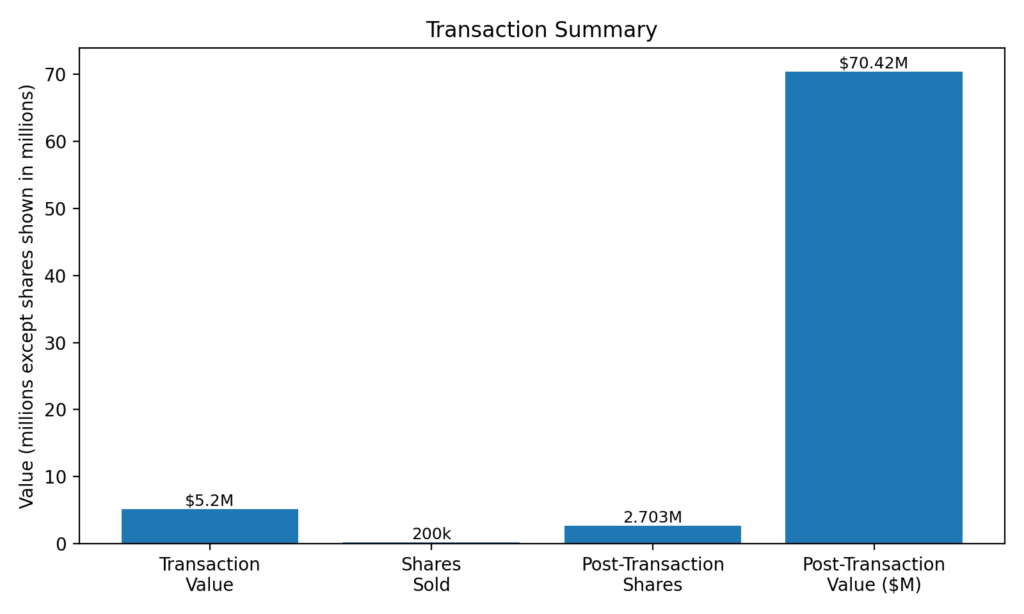
Will Marshall, Planet Labs’ CEO, Chairperson, and co-founder, sold 200,000 shares on July 10, 2026, a disposition worth roughly $5.2 million at the transaction’s weighted average price of $25.92.
The filing shows the trade trimmed Marshall’s directly held stake by about 7%, leaving him with approximately 2.7 million shares, worth close to $70.4 million at the most recent closing price. The sale lands at an unusual moment for the stock, which has fallen sharply from a 52-week high near $51.76 set on May 28, even though shares remain up nearly 295% over the trailing twelve months.
A Pre-Arranged Sale, Not a Sudden Move
The sale was executed under a Rule 10b5-1 trading plan that Marshall adopted back in July 2025, a mechanism designed to let insiders trade on a predetermined schedule so transactions cannot be construed as acting on non-public information.
That structural detail matters for how the market tends to interpret this kind of disclosure. A scheduled, plan-based sale carries a fundamentally different signal than a discretionary one made in reaction to current events, and it is a distinction analysts routinely flag when insider filings surface.
Marshall’s remaining position is still substantial relative to his overall compensation package. A portion of his broader equity holdings includes restricted stock units set to vest in equal quarterly installments through the end of the year, which keeps a meaningful share of his personal wealth tied to the company’s future performance rather than cashed out today.
Why The Stock Has Been Whipsawed
Planet Labs’ 2026 has been a study in contrasts. Shares surged alongside broader enthusiasm for space infrastructure names tied to the high-profile June 12 initial public offering of SpaceX, a listing that pulled satellite and launch-related stocks higher across the sector. That rally helped push Planet Labs to its 52-week peak in late May.
The subsequent slide came on more company-specific news. Planet Labs announced a $1.5 billion at-the-market equity offering, raising the prospect of meaningful dilution for existing shareholders and prompting a sharp reversal in sentiment. The stock has fallen substantially from its highs since that announcement, even as the underlying business has kept expanding.
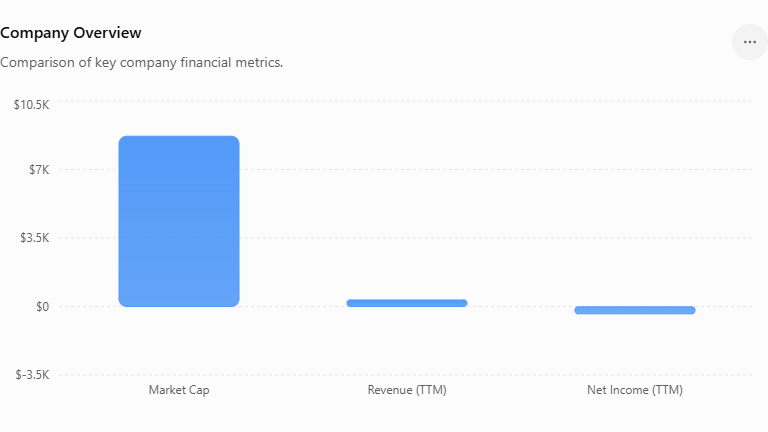
On the fundamentals, Planet Labs is not standing still. The company posted record fiscal first-quarter revenue of $94.2 million for the period ended April 30, a 42% year-over-year increase, underscoring continued demand for its satellite-imagery and analytics platform among government, defense, agricultural, and financial customers.
Profitability remains elusive, however, with trailing-twelve-month net losses running above $373 million as the company continues to invest heavily in its satellite constellation and cloud platform.
A Stock Resetting After a Steep Drawdown
From a technical standpoint, Planet Labs shares are working through a corrective phase after more than halving from their late-May peak.
The pullback has pushed the stock below both its 50-day and 200-day moving averages, a setup that typically points to near-term technical weakness even within a longer-term uptrend. Momentum readings have cooled into neutral territory after touching overbought levels earlier in the year, reflecting the abrupt shift in sentiment following the dilution announcement.
Support is likely to be watched in the mid-$20s, roughly where shares are trading now, with the $1.5 billion equity offering acting as an overhang that could cap rallies until the market fully absorbs the additional supply.
On the upside, a recovery back through the $30 to $35 range would be an early sign that dilution concerns are fading and that broader space and satellite-sector tailwinds are reasserting themselves. Until then, the stock’s near-term path looks more tied to how quickly investors digest the new share issuance than to any single insider transaction.
What This Means For Investors
Taken on its own, Marshall’s sale looks like routine portfolio management rather than a warning sign. It was pre-scheduled well over a year in advance, represents a modest slice of his overall stake, and leaves him holding a large, still-vesting equity position tied directly to the company’s future.
The more relevant story for investors is the tension between Planet Labs’ strong 42% revenue growth and the dilution and volatility introduced by its recent capital raise, a dynamic likely to matter far more for where the stock heads next than any single Form 4 filing.
For shareholders weighing whether to hold through the current pullback, the key variables to watch are how quickly the $1.5 billion offering gets absorbed, whether revenue growth continues at its current pace, and whether the broader appetite for space and satellite-infrastructure stocks that lifted the shares earlier this year returns.
Insider sales tied to structured trading plans, like this one, are generally a secondary consideration next to those larger forces.