
The international technology supply chain is experiencing a severe structural transformation as primary microchip suppliers command an unprecedented market premium.
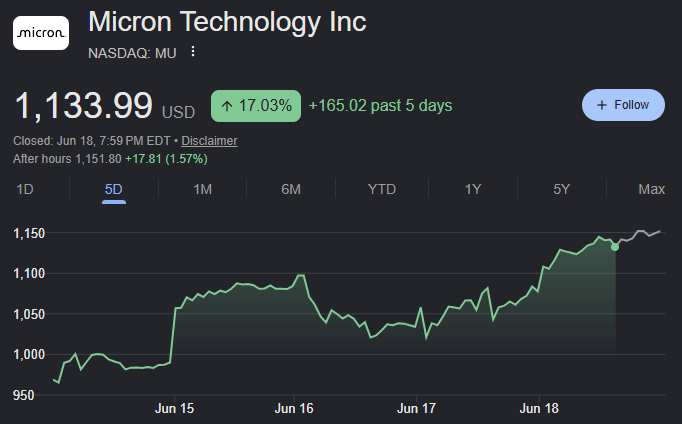
Financial experts at Kepler Group note that market capitalization metrics for premier fabrication entities, spearheaded by Micron, advanced during the recent session following public statements confirming that major consumer device designers can no longer shield their balance sheets from escalating wholesale expenditures.
This development underscores an environment where raw electronic component components dictate the retail pricing architecture of consumer goods.
Institutional asset managers are rapidly expanding their financial exposure to these microchip developers, driving notable intraday point gains across the sector. This upward momentum extended uniformly across high-bandwidth memory architecture firms and solid-state enterprise storage producers.
The comprehensive market response validates a growing multiyear consensus that the current hardware supply deficit represents an enduring, non-temporary disruption to traditional consumer tech assembly lines.
Passing these heightened production liabilities onto the retail consumer is becoming a paramount strategic directive for consumer brands facing surging manufacturing bills catalyzed by the enterprise artificial intelligence boom.
The raw acquisition costs for high-density data modules have climbed to a threshold that is economically unviable for mass-market manufacturing models to absorb internally. Consequently, wholesale purchasing agents anticipate an imminent upward price adjustment for next-generation end-user devices as assembly plants distribute these inflationary pressures down the distribution chain.
The Fundamental Deficit In Next Generation Memory Fabrication
Although prominent silicon foundries have detailed expensive factory blueprints designed to boost aggregate wafer production, tech sector intelligence analysts emphasize that these long-term developments cannot remedy current supply shortages.
The algorithmic processing demands of unsupervised machine learning systems and autonomous software agent frameworks necessitate a massive expansion in instantaneous memory throughput.
As these massive computation models move from contained research environments into commercial deployment models, the underlying requirement for raw digital memory space will undergo exponential compounding.
Forward-looking tracking data from global equity research groups demonstrates that the aggregate demand for memory bits, the essential baseline measurement of data retention capacity, is on a path to outstrip global manufacturing output through the conclusion of 2028. This entrenched market deficit fosters a highly advantageous environment where semiconductor foundries dictate strict contractual terms to their largest enterprise buyers.
Because the infrastructure required to build new manufacturing plants demands immense capital commitments and years of construction time, this structural bottleneck remains entirely insulated from rapid correction.
Corporate Profit Projections And Long Range Operating Margin Adjustments
Silicon manufacturing corporations are positioning themselves as the primary beneficiaries of this rigid macroeconomic supply crunch. With the supply-demand imbalance projected to intensify through the closing halves of upcoming fiscal periods, these fabrication specialists are entering an extended era of unprecedented gross profit retention.
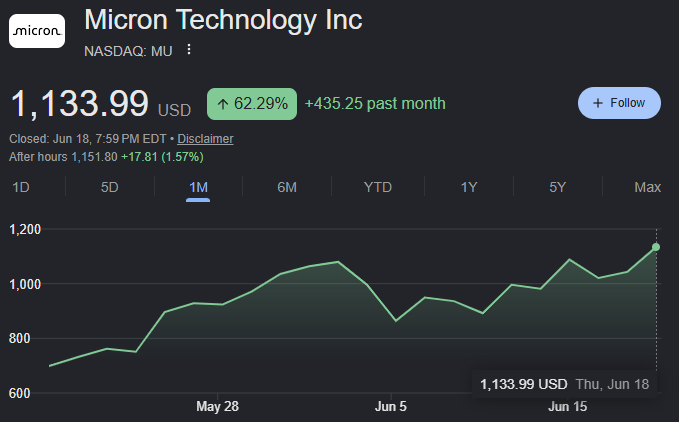
This advantageous macroeconomic setting has prompted financial advisory firms to dramatically adjust their near-term stock price projections for industry leaders, with specific targets climbing to $1,500 per share.
Portfolio strategists are shifting their immediate focus toward the upcoming quarterly disclosure timeline, which will provide definitive proof of how effectively these pricing dynamics translate into discretionary free cash flow. If chip foundries demonstrate sustained control over the global tech supply chain, it will fundamentally alter the price-to-earnings multiples granted to memory-centric technology stocks.
Strategic Adjustments Across The Consumer Electronic Value Sequence
The collective choice to shift inflated fabrication costs onto retail purchasers marks a pivotal operational pivot for the consumer technology ecosystem. Historically, prominent consumer hardware brands opted to preserve stable retail price thresholds to guard their respective market share metrics.
However, the current reality governing the global storage market is compelling an absolute departure from that historic baseline, indicating that every mainstream electronic product class will likely encounter measurable retail cost inflation before the end of the year.
This inflationary manufacturing wave underscores the immense competitive advantage of maintaining wholly owned production facilities or securing multiyear, fixed-rate procurement treaties.
Manufacturing enterprises that fail to lock in these raw material volumes are finding themselves navigating severe operational disadvantages. As the global digital ecosystem transitions toward advanced high-capacity storage standards, the institutional capacity to guarantee reliable hardware access at manageable expenditure rates stands as the definitive operational moat for modern technology corporations.
Sovereign Capital Inflows And Structural Portfolio Rebalancing
The persistent reallocation of global capital is driving massive treasury realignments among sovereign wealth funds and large-scale index managers. Investment funds that previously gravitated toward consumer-facing software applications are rapidly migrating their assets into foundational physical technology infrastructure providers capable of safeguarding chip procurement.
As a direct outcome of these large-scale asset migrations, trading velocity across the benchmark technology stock indexes is reaching historic zeniths. Macro risk assessment departments indicate that the underlying trading characteristics of these equities are changing from cyclical trading instruments into defensive cornerstone holdings.