
Hong Kong equities have delivered one of the more erratic patterns among global markets this month, and this week did little to settle the volatility. The Hang Seng index opened just 16 points higher at 24,934 on Monday before reversing to 24,866, a decline of 0.21% on the session. Large-cap technology names moved in mixed directions even as the broader index barely budged.
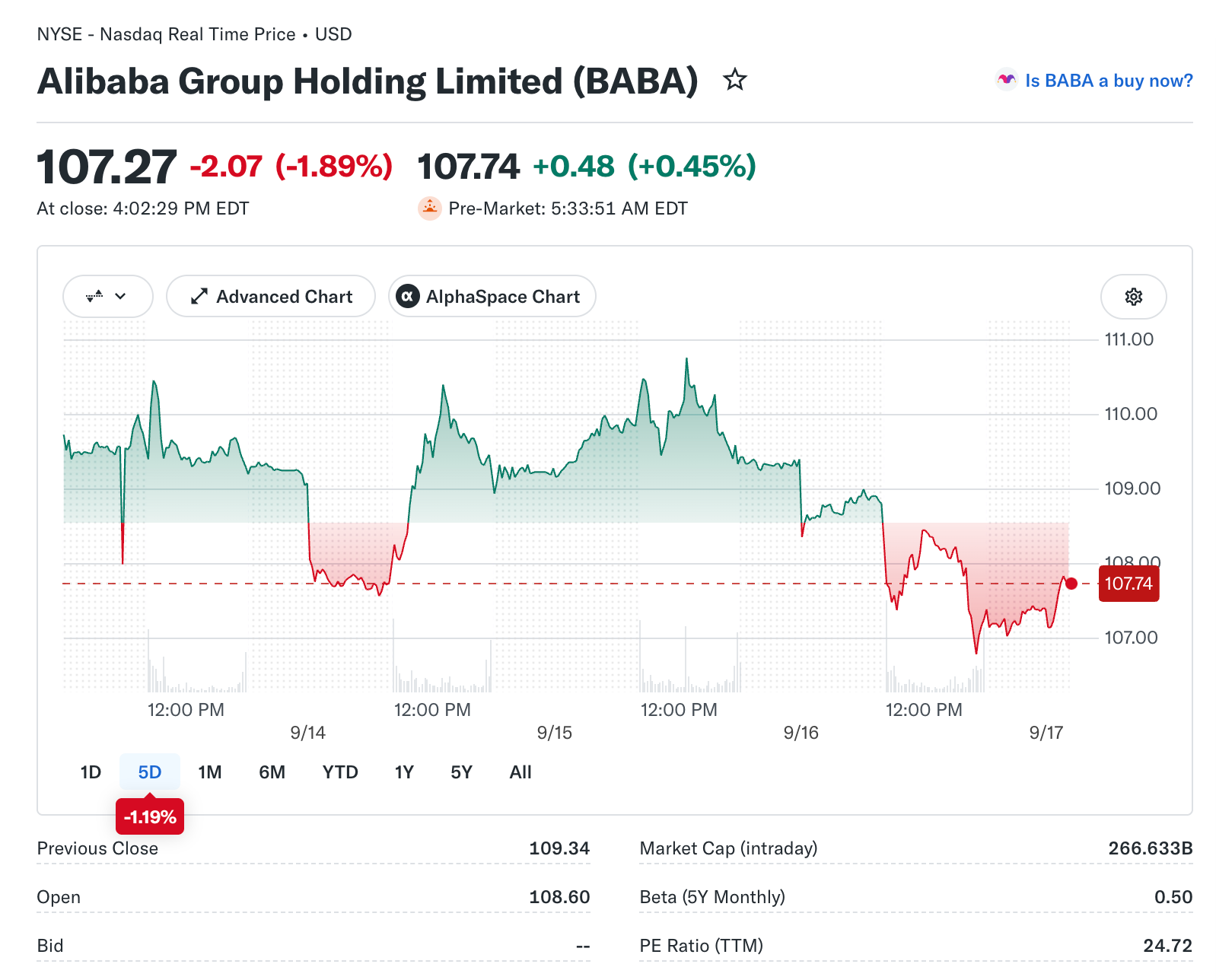
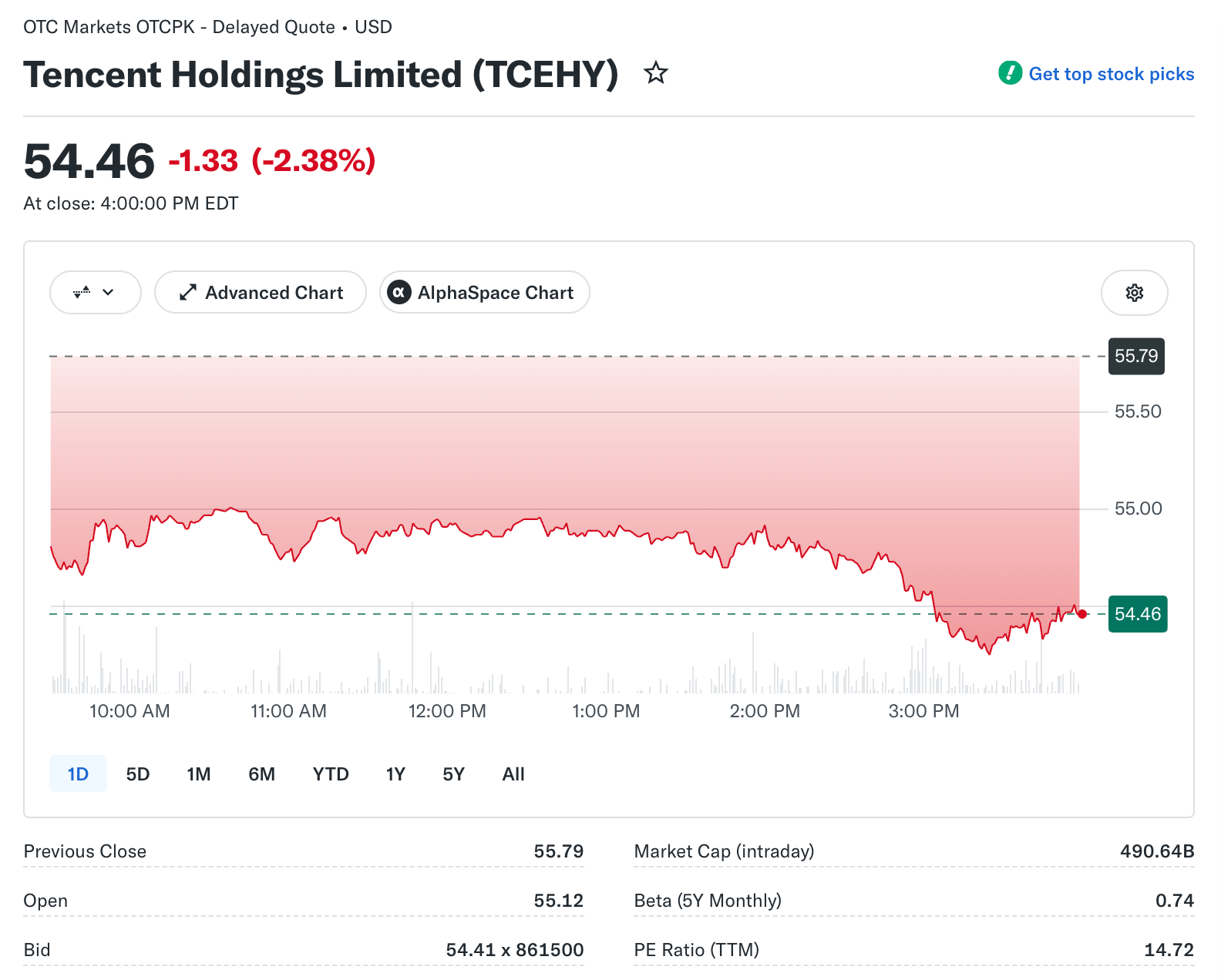
A financial analyst at NOQANA notes that this kind of choppy, directionless trading often signals a market waiting on a catalyst rather than one with a clear conviction either way. Tencent Holdings advanced 2.8% while Alibaba Group added 2.3%, offering some support even as the headline index slipped. Meituan and JD.com posted smaller gains of roughly 0.9% each.
The Financial Sector Told a Different Story
Not every corner of Monday’s session moved in the same direction as tech. HSBC Holdings fell 2%, while AIA Group edged up 0.5% and Ping An Insurance eased slightly. Hong Kong Exchanges and Clearing dipped 0.4%, suggesting financial names faced their own separate set of pressures unrelated to the tech sector’s mixed performance.
The brand’s expert broker shares an important distinction here. A market where technology and financials move in opposite directions on the same day often reflects sector-specific news rather than a broad shift in risk appetite. That pattern held again later in the week, with tech recovering some ground even as broader sentiment stayed fragile.
Wednesday’s Sharper Rebound Changed the Tone
By midweek, the picture had shifted meaningfully. Hong Kong’s benchmark opened up 186.56 points at 25,303.41, with gains extending past 300 points at their peak to reach 25,495.18. The Hang Seng Tech Index climbed 1.72%, while the Hang Seng China Enterprises Index gained 1.42%, reaching 8,459 points.
A senior broker at the brand explains that this rebound looked broader and more convincing than Monday’s choppy session.
Alibaba rose 2.09%, Tencent Holdings gained 1.23%, and JD.com jumped 3.81% in a clear sign of renewed buying interest across the sector. That kind of synchronized move across multiple large-cap names tends to reflect genuine sentiment improvement rather than isolated stock-specific news.
Why This Volatility Keeps Repeating Itself
A junior financial expert at the brand points out a pattern that has defined Hong Kong trading for much of 2026.
Chinese technology stocks have swung between sharp rallies and equally sharp pullbacks tied closely to AI sentiment, US-China tension, and domestic economic data. That volatility makes the sector particularly difficult to hold through short-term news cycles without getting whipsawed.
Over the trailing month, several names in this sector have posted double-digit percentage losses even as the broader index has held relatively steady.
That divergence between headline index performance and individual stock volatility is worth understanding before allocating capital here. An investor watching only the Hang Seng level could easily miss just how turbulent the underlying stocks have actually been.
The AI Competition Question Still Looming
A senior financial analyst at the brand walks you through an ongoing concern that continues to resurface across Hong Kong tech coverage. Questions about whether Chinese AI companies can genuinely compete with US counterparts have weighed on sentiment periodically throughout the year.
Even strong earnings from individual companies have sometimes failed to fully offset that broader anxiety. That tension has not resolved itself, and it likely will not anytime soon given how quickly the competitive landscape in AI continues to shift.
Investors in this space should expect continued volatility tied to any headline suggesting a shift in that competitive balance, whether the news originates domestically or from developments among US technology firms.
What Would Actually Stabilize This Market
A lead financial expert at the brand emphasizes that genuine stabilization in Hong Kong tech will likely require either sustained earnings strength across multiple quarters or clearer signals on the regulatory environment both domestically and internationally.
Neither condition has been firmly established yet. Until one or both materialize, expect the kind of session-to-session swings seen throughout this week to remain the norm rather than the exception.
The broader Chinese economic backdrop adds another layer worth tracking. Mixed data on retail sales and unemployment released this week showed a mixed picture, with some indicators softening even as industrial output improved.
That kind of uneven domestic recovery gives investors little clear direction on whether current tech valuations reflect genuine improving fundamentals or simply another swing in an increasingly volatile trading range.
For now, the most reliable signal may simply be watching whether Wednesday’s broad-based rebound holds through the rest of the week.
A single strong session after a choppy start does not confirm a trend on its own. Confirmation would require several consecutive sessions of similarly synchronized gains across the sector’s major names, something this market has struggled to sustain for more than a few days at a time throughout 2026.