
Australia found itself at the center of an unexpected story this week when a major artificial intelligence company signed its first deal in the country to use a data center hub under development in Queensland. The Western Downs Digital Park, tied to a $32 billion investment, is set to become the largest facility of its kind in the country.
Its projected power draw is comparable to what 1.5 million average Australian households consume. A senior financial analyst at NOQANA says this deal signals something bigger than a single facility opening in regional Queensland.
It confirms that global AI infrastructure spending is now reaching markets well outside the traditional hubs of the United States and parts of Asia. That geographic spread has real implications for which companies benefit from the buildout going forward.
The facility’s operator aims to begin using the center in 2027, an ambitious timeline given that the development application was only filed with the local council last month. That compressed schedule suggests genuine urgency behind the project, likely reflecting how quickly global demand for AI computing capacity continues to outpace available infrastructure.
Why the Power Draw Number Matters More Than the Dollar Figure
A financial expert at the brand explores why the facility’s electricity consumption tells a more important story than its headline investment figure. A power draw equivalent to 1.5 million households represents an enormous addition to regional electricity demand, one that will require meaningful grid capacity planning well beyond the facility itself.
That kind of infrastructure requirement tends to ripple outward into utility companies, transmission infrastructure, and even backup power suppliers. This pattern mirrors what has already played out in the United States, where data center power demand has become its own distinct investment theme separate from the AI companies themselves.
Companies supplying grid infrastructure, backup generation, and cooling systems stand to benefit regardless of which specific AI firm ultimately operates the facility. Australia now appears to be entering that same investment cycle, just on a delayed timeline relative to American markets.
The Broader ASX Backdrop This Deal Landed Against
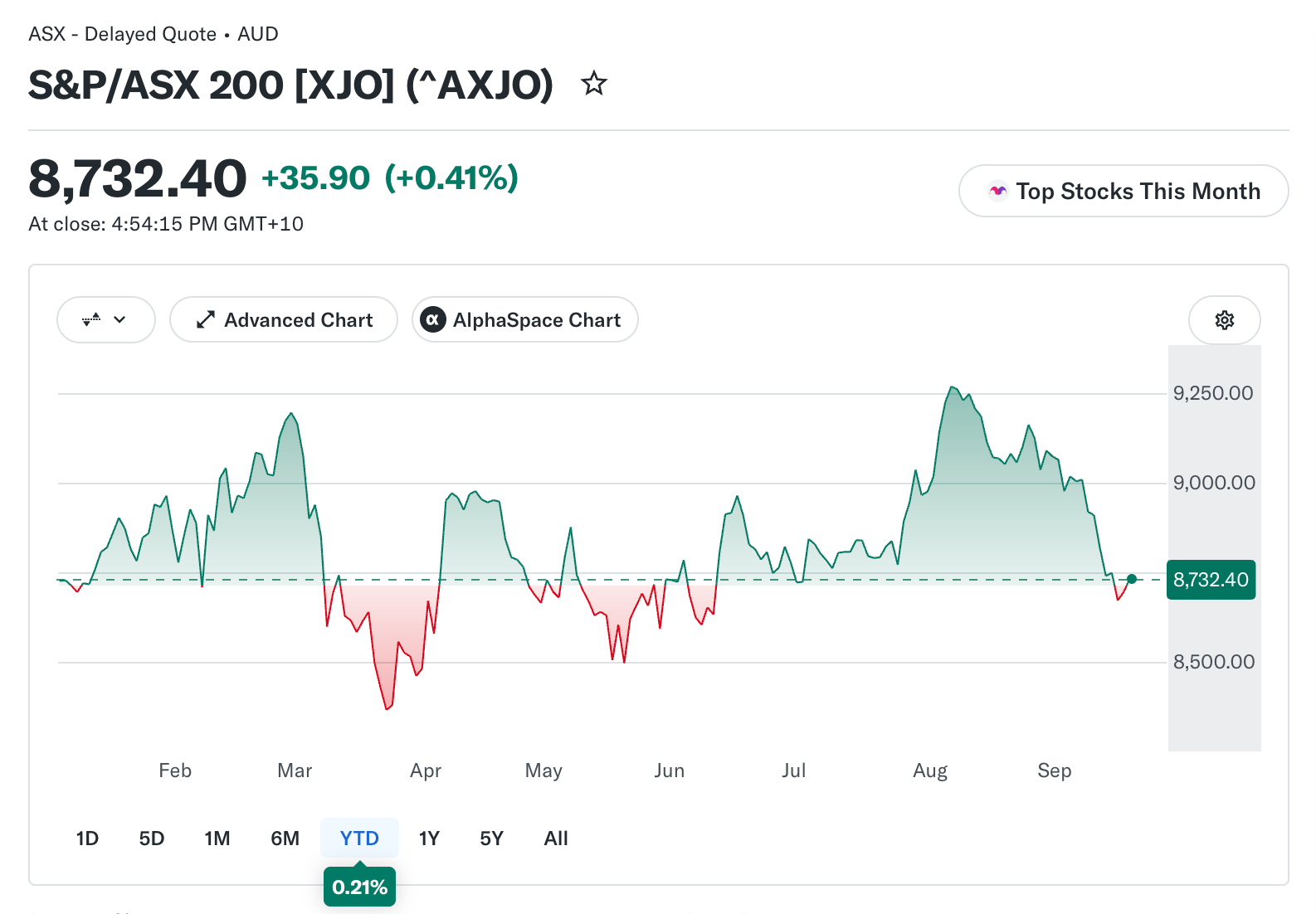
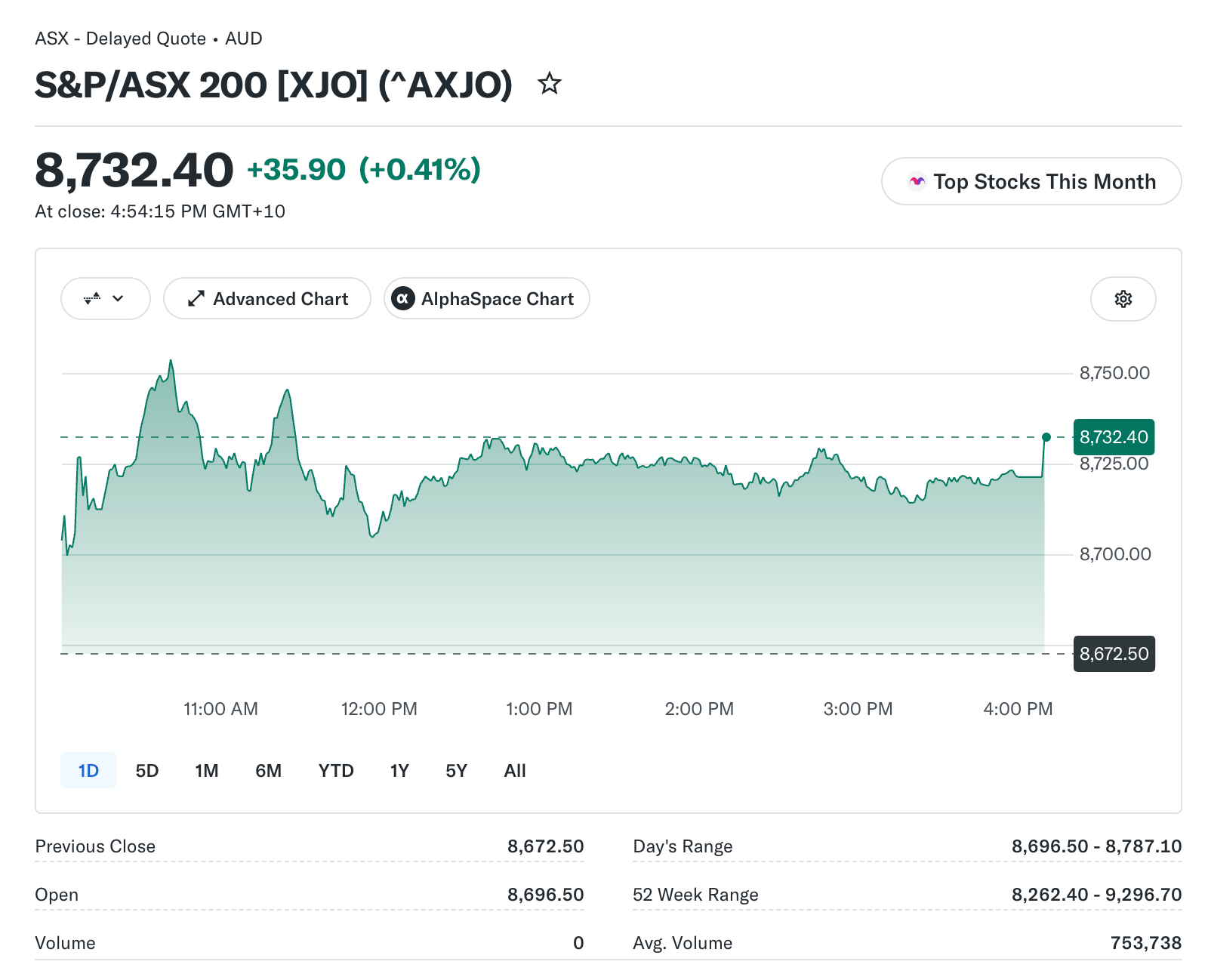
This announcement arrived during a session where Australian shares finished modestly higher, with the ASX 200 gaining 24 points, or 0.28%, to close at 8,696.5. The broader All Ordinaries index rose a similar 0.28% to 8,874.5. Miners led much of the session’s recovery, supported by an afternoon rebound in metals prices following a shaky morning.
A lead broker at the brand discusses how this data center announcement adds a distinct new sector narrative to a market that has largely been driven by mining and banking names throughout 2026.
Technology infrastructure investment tied to AI has been a smaller theme on the ASX historically compared to resource extraction. This deal, and the grid investment likely to follow it, could begin shifting that balance over coming quarters.
What Regional Queensland Stands to Gain and Risk
A junior financial expert at the brand points out that a facility of this scale carries implications well beyond corporate balance sheets. Regional power infrastructure will need substantial upgrades to support a facility drawing this much electricity, upgrades that typically take years to plan and execute properly.
Whether that infrastructure keeps pace with the facility’s 2027 target timeline remains an open question worth monitoring closely. There is also a broader economic development angle for Western Downs specifically.
Facilities of this scale typically bring significant construction employment in the near term and smaller but stable operational employment once running.
Local economic impact assessments for projects of similar scale elsewhere have shown meaningful flow-through effects to regional service industries, though the degree of benefit tends to vary considerably based on how much of the workforce is sourced locally versus brought in from elsewhere.
How Investors Should Think About This Theme Going Forward
A senior broker at the brand explains that data center infrastructure investment tends to unfold in stages, starting with the facility announcement itself, followed by grid and power infrastructure contracts, and finally by the operational phase once computing capacity comes online. Each stage tends to benefit a different set of companies.
Investors focused purely on the headline announcement risk missing where the more durable, longer-term opportunity actually sits. A financial analyst at the brand takes a closer look at how companies supplying grid infrastructure, transformers, and backup power systems in the Australian market are positioned relative to this specific project and any similar facilities likely to follow.
Given the compressed 2027 timeline attached to Western Downs, contracts tied to the buildout phase could materialize faster than markets typically expect for infrastructure projects of this scale. That accelerated timeline is worth watching closely for anyone positioning around this theme early.
There is also a currency and export angle worth considering here. A facility of this scale, funded largely by foreign capital, tends to draw broader international attention to a region’s investment climate beyond the single project itself.