
Bitcoin was a radical idea when its white paper appeared in 2008, introducing the first way for two parties to send value to each other without a middleman. Brokers from Fonndure dive into this topic, noting that the cryptocurrency went from being dismissed as internet novelty money to becoming a genuine global financial asset over the past 17 years.
Today, with the coin trading well below its highs, many investors are asking whether its best days are already behind it. There are three reasons to believe the opposite is closer to the truth.
History Says Don’t Panic
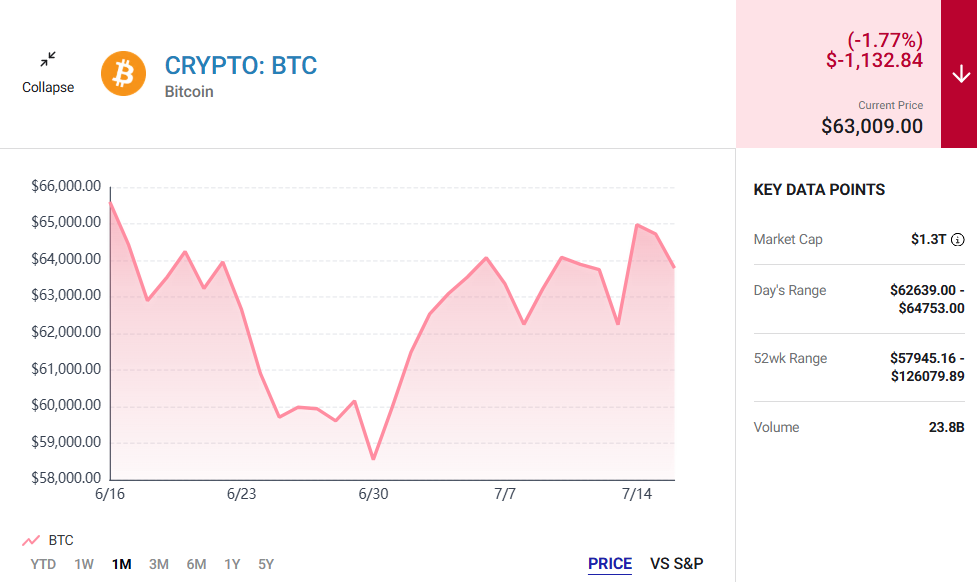
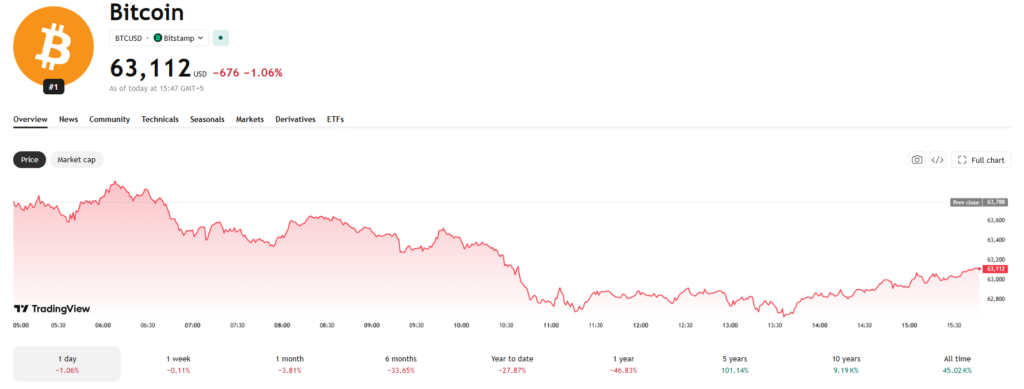
Bitcoin is currently trading around $62,000, approximately 50% below its all-time high, a decline that has reignited concerns among critics who believe the cryptocurrency’s long-term rally may be over. Sharp corrections of this magnitude often trigger negative sentiment, particularly after periods of strong price appreciation.
However, history paints a different picture. Throughout its existence, Bitcoin has experienced multiple boom-and-bust cycles, with significant declines repeatedly followed by powerful recoveries and new highs.
Although no two market cycles are exactly the same, the asset has consistently demonstrated resilience after periods of extreme volatility. While no one can accurately predict when market sentiment will improve, Bitcoin’s long-term track record suggests that short-term drawdowns have historically been part of its growth cycle rather than a signal that its long-term story has ended.
The Fundamentals Are Rock Solid
Security remains one of Bitcoin’s greatest strengths, particularly for investors evaluating it as a long-term financial asset. Despite operating for nearly two decades, the Bitcoin blockchain has never been successfully hacked, making it one of the most secure decentralized networks in existence.
This strong security record has helped build confidence among both retail and institutional participants.
The network’s growing adoption further reinforces its resilience. According to River Financial, Bitcoin processed approximately $3.6 trillion in transaction volume during 2025, marking the fifth consecutive year with transaction activity exceeding $1 trillion.
Such sustained usage demonstrates that Bitcoin continues to function as a global settlement network rather than merely a speculative investment.
Institutional participation also continues to expand. Major asset managers have introduced new Bitcoin investment products, including trust vehicles that provide traditional investors with regulated exposure to the cryptocurrency.
The launch of these products reflects increasing acceptance of Bitcoin within mainstream financial markets and signals that institutional demand remains healthy despite periods of market volatility.
Perhaps the most compelling aspect of Bitcoin’s long-term investment thesis is its fixed supply of 21 million coins.
Unlike traditional currencies that can be issued in unlimited quantities, Bitcoin’s scarcity is built directly into its protocol and maintained by a decentralized network of participants. In addition, halving events occur approximately every four years, reducing the number of new coins entering circulation and gradually tightening supply over time.
This combination of proven network security, rising transaction volumes, expanding institutional adoption, and a mathematically limited supply continues to underpin Bitcoin’s long-term value proposition.
While price volatility is likely to remain a defining characteristic, these fundamental strengths suggest the asset is becoming increasingly integrated into the global financial system rather than fading from relevance.
A Trillion-Dollar Opportunity Still in Its Infancy
At its core, Bitcoin represents a fundamentally different monetary system, operating through mathematics, cryptography, and decentralized code rather than a central authority. This distinction is important because it expands the cryptocurrency’s potential far beyond serving as a digital payment method, positioning it as a possible long-term store of value.
Its opportunity extends well beyond competing with traditional currencies. Bitcoin could capture a share of the global wealth-storage market, which includes the asset classes of equities, bonds, real estate, and commodities, collectively worth hundreds of trillions of dollars.
As investors increasingly seek alternative stores of value, Bitcoin’s role within diversified portfolios could continue to grow.
Compared with that enormous market, Bitcoin’s current market capitalization of roughly $1.2 trillion remains relatively small. If it were to capture just 5% of the global wealth-storage market over the next 25 years, the potential upside from current levels could be substantial, highlighting the scale of its long-term growth opportunity.
So, Has Bitcoin Already Peaked?
Bitcoin’s future is far from guaranteed, and volatility will likely remain a defining characteristic. Bear markets can test investor confidence, but they have historically been part of the asset’s long-term journey.
For long-term investors, however, the fundamentals remain compelling. A flawless security record, growing transaction activity, a fixed supply of 21 million coins, and a massive potential addressable market continue to support Bitcoin’s investment case.
While short-term price swings are inevitable, these underlying strengths suggest Bitcoin’s long-term growth story is still unfolding rather than reaching its conclusion.