
The global e-commerce and cloud computing marketplace is bracing for significant regulatory headwinds as federal anti-trust oversight pivots aggressively toward digital marketing monetization structures. Portfolio managers are closely evaluating the long-term structural implications of upcoming enforcement procedures aimed directly at high-margin corporate revenue ecosystems.
Market research data compiled by the investment team at Risance indicates that federal watchdogs are finalized to launch multi-billion dollar legal actions concerning alleged predatory promotional activities. The primary scope of the investigation zeroes in on the operational mechanics of real-time promotional bidding systems and undisclosed operational guidelines presented to external merchants.
Potential legal outcomes range from unprecedented multi-billion dollar financial penalties to sweeping compliance mandates that could structurally overhaul how the corporation’s digital promotion segment functions.
For asset allocators tracking the tech pioneer at a current baseline equity valuation of exactly $246.0 per share, the impending regulatory offensive targets an increasingly critical engine of overall corporate profitability.
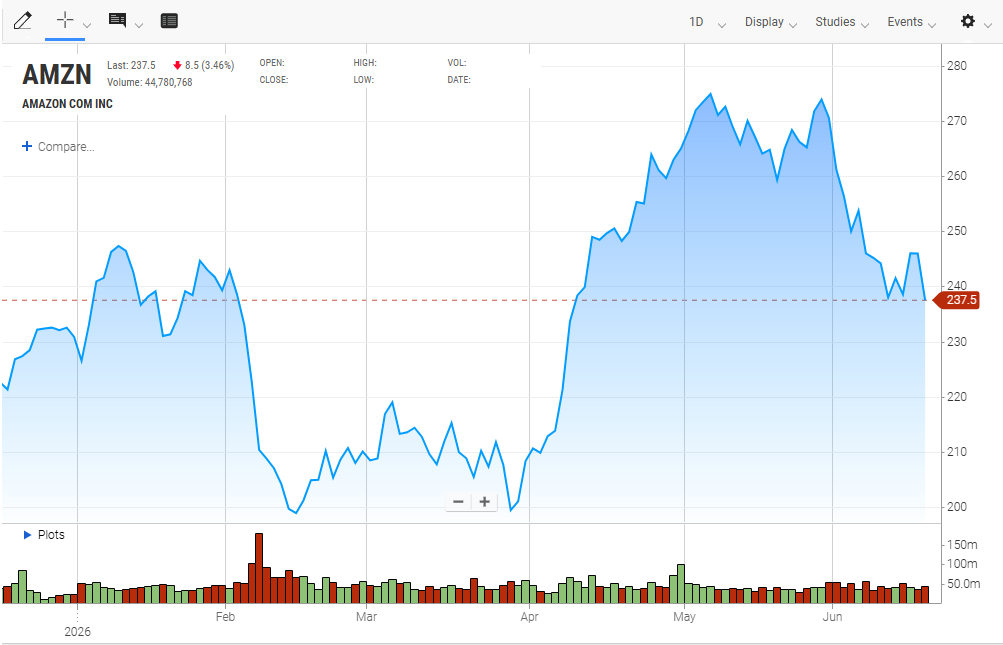
The underlying equity has demonstrated notable short-term resilience, climbing 3.4% over the preceding week and securing an 8.6% gain since the opening of the current calendar year. Over an extended twelve-month trailing window, the equity has achieved a stable 15.8% return, underscoring the vital role that baseline earnings stability plays for institutional tech investors.
Historical Capital Appreciations And Long Term Performance Benchmarks
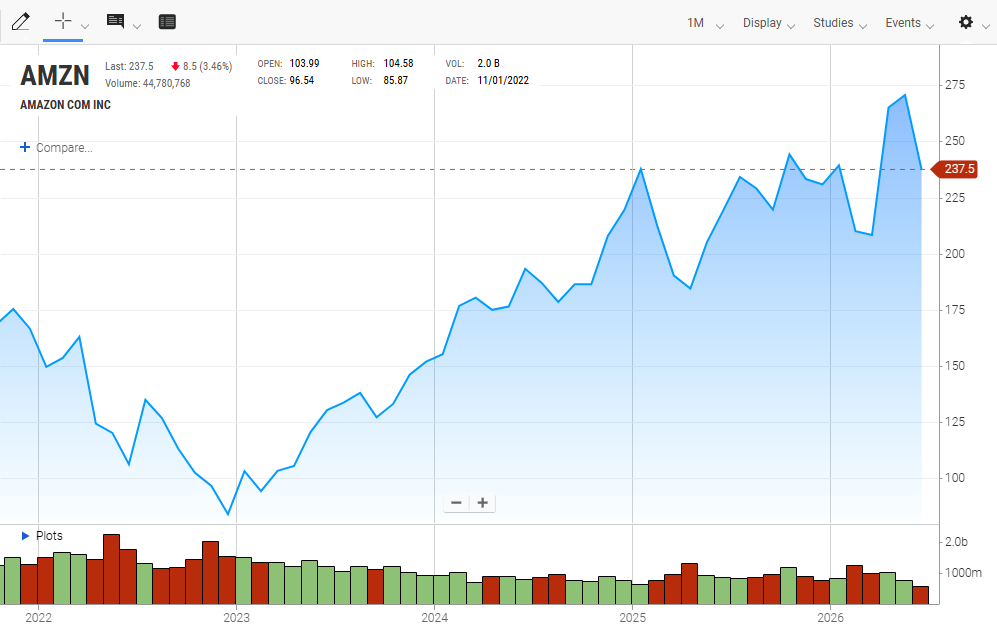
Evaluating broader temporal horizons reveals that the stock has delivered an extraordinary 97.1% capital appreciation over a three-year period, alongside a 40.4% return stretching across the last five years. The current intense regulatory scrutiny regarding advertising bidding transparency and corporate disclosure terms raises fundamental questions about future profit margins.
Asset managers must carefully monitor upcoming changes to promotional formatting styles, marketplace transaction fee frameworks, and analytical reporting structures that could arise from a formal legal settlement. Any permanent modification to platform traffic monetization strategy could directly alter the broader financial health profile of the core retail ecosystem.
From a comparative valuation standpoint, public market equity data shows that the technology giant currently trades at approximately $246.0 per share, representing a distinct 27% discount against consensus Wall Street target estimates of $313.0 per share. Independent intrinsic value assessments suggest the equity is currently valued at roughly 42.2% below its calculated fair market baseline.
However, near-term price velocity reflects noticeable investor anxiety, with the equity declining by a definitive 7.1% over the past 30 days as news of the federal advertising investigation gained traction across mainstream financial media networks.
Balance Sheet Integrity And High Quality Earnings Allocations
The primary focal point for future balance sheet analysis remains the potential introduction of unexpected overhead liabilities and localized margin compression within the highly profitable digital promotion segment.
Consequently, tracking sudden updates regarding fine magnitudes, newly imposed compliance structures, and the net contribution of ad-driven cash flows to the total corporate bottom line is imperative.
Furthermore, historical balance sheet parameters highlighting elevated concentrations of non-cash corporate earnings require analysts to meticulously cross-examine reported operational net profits directly against true liquid cash inflows. This accounting divergence becomes particularly critical if the organization is forced to deploy massive cash reserves to satisfy regulatory penalties.
While the organization’s overarching financial foundation remains robust enough to withstand localized balance sheet shocks, structurally modifying internal promotional mechanics presents unique downside vulnerabilities.
Institutional allocators must maintain rigorous risk-managed oversight, balancing historical long-term capital compounding records against emerging federal antitrust enforcement variables that threaten the e-commerce titan’s core monetization engine.
Macro Market Complications And Alternative E Commerce Growth Trajectories
The broader implications of this antitrust intervention extend significantly beyond immediate corporate financial liabilities, threatening to alter the entire competitive equilibrium of global digital advertising. If federal mandates force the enterprise to completely restructure its promotional auction data, nimbler international alternative commerce platforms could rapidly exploit the localized disruption.
Institutional asset managers are actively projecting how a permanent deceleration in marketing high-margin cash flows would impact the corporation’s massive multi-year capital expenditure commitments dedicated to artificial intelligence data networks.
Consequently, foreign equity pools are subtly adjusting their long-term growth formulas, anticipating that the domestic tech sector may face a prolonged phase of intense structural oversight. Traders must carefully balance these emerging structural vulnerabilities against the platform’s undeniable defensive moat and consumer retention parameters.
Once this regulatory impasse is resolved, the definitive legal baseline for automated platform monetization will be established across all modern digital market environments. This will be the case regardless of jurisdiction.
In order to identify any early indications of institutional distribution as the formal complaint timeline draws near, capital allocators keep a close eye on the volume variances that occur over the course of consecutive weeks. This allows them to identify any early indications of institutional distribution.
.