
The telecommunications sector is currently grappling with a period of intense structural recalibration as industry incumbents face mounting pressure from aggressive competitors and shifting consumer habits.
Verizon is accelerating a comprehensive transformation strategy that is designed to streamline its operations. This leadership is being provided by CEO Dan Schulman, who took over his position in October 2025.
This pivot comes in the wake of a challenging three-year stretch during which the company experienced the loss of approximately 2.25 million wireless customers, a decline driven by sequential price adjustments and a highly saturated, competitive marketplace.
The strategic shift is characterized by a significant reduction in the company’s physical retail presence and a broad workforce optimization. Market researchers from Bankolla suggest that the current retail strategy serves as a critical move to improve operational efficiency.
The carrier is planning to divest 274 corporate-owned retail stores to authorized franchise partners. This transition, effective August 16, 2026, will consolidate the company’s total corporate-owned store footprint to 1,000 locations, a number leadership deems sufficient to support its long-term objectives.
Analysts suggest this move is a calculated effort to mitigate the substantial overhead associated with physical real estate, including commercial rent, utility bills, and heavy payroll costs, effectively offloading operational liabilities to third-party dealers.
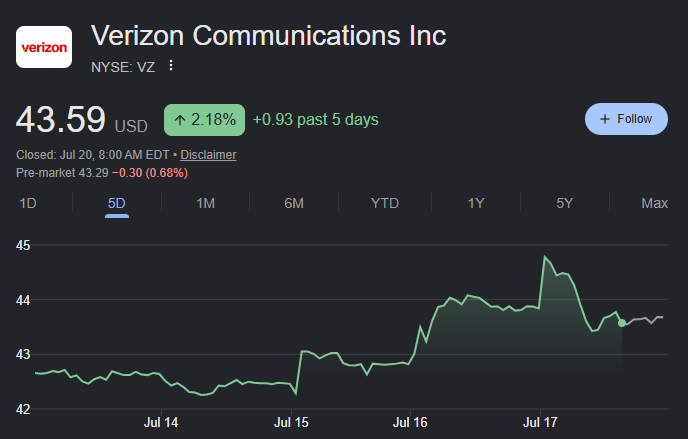
Navigating An Intensifying Competitive Landscape
The urgency behind these changes is rooted in the company’s latest performance metrics, which show continued friction in its core wireless business. In the first quarter of 2026, the wireless retail postpaid phone churn rate, defined as a measure of customer attrition, increased by 2 basis points year-over-year.
This underscores the difficulty the carrier faces as rivals like T-Mobile and AT&T deploy aggressive value-driven promotions to capture price-sensitive subscribers. Furthermore, the rise of mobile virtual network operators (MVNOs) and the successful bundling strategies of cable providers like Spectrum and Comcast have compressed margins across the industry.
Recent data from Ctia indicates that the average cost of an unlimited wireless plan dropped by over 10% in 2025, forcing established players to reduce costs to maintain profitability.
For the company, this phase of operational discipline involves deeper workforce reductions. Alongside the retail divestments, the carrier is laying off approximately 500 corporate employees. While management frames these actions as necessary to simplify business processes, the strategy has faced criticism from external observers.
Critics argue that the systematic shedding of institutional knowledge could compromise the firm’s competitive edge, cautioning that relying on a conventional cut-and-prop playbook may offer short-term stock benefits but fail to address the fundamental need for innovation and clear market differentiation.
The Broader Industry Trend Of Workforce Optimization
The carrier is not acting in isolation; the entire telecommunications sector is undergoing a massive workforce transition. T-Mobile implemented successive rounds of job cuts across sales and product departments throughout the first four months of 2026, while AT&T reportedly initiated layoffs across multiple divisions in June.
In the midst of a wider disruption in the technology sector, in which organizations are increasingly utilizing artificial intelligence to drive operational efficiency, these decisions are being made against the backdrop of this disruption.
Data from Challenger, Gray & Christmas highlights this shift, noting that the technology sector announced 15,503 layoffs in June 2026 alone. This brings total sector job cuts for the first half of the year to 139,156, representing an 83% increase compared to the same period in 2025.
Within this broader context, the telecom industry has reported 2,269 layoffs through June, signaling that the pressure to optimize headcount remains a dominant theme for executives tasked with balancing quarterly earnings against the realities of a changing digital economy.
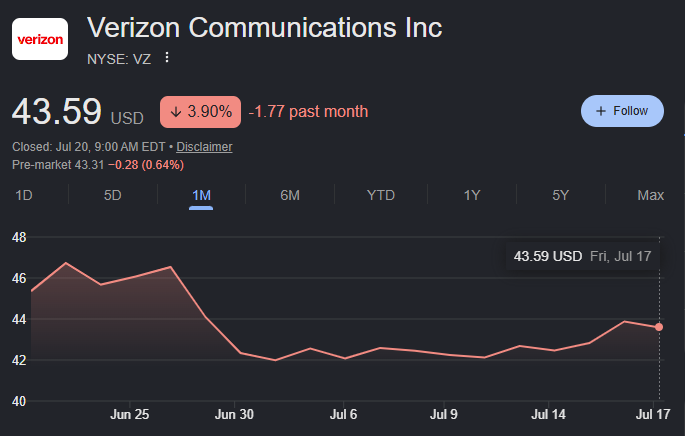
Assessing The Long-Term Viability Of Strategic Contraction
For investors, the critical question remains whether these tactical retreats, such as selling stores and thinning corporate ranks, can successfully stabilize the bottom line and eventually spark a return to sustainable subscriber growth.
The transition from managing high-cost physical assets to a franchise model is intended to free up capital, but the brand’s ability to maintain its network leadership reputation while simultaneously cutting costs will be the ultimate test of its current leadership.
As the industry continues to converge around a model that prizes digital agility over physical scale, the firm’s ability to retain its high-value customer base while navigating these cuts will be paramount.
With retail operations set to transition in mid-August and corporate-wide efficiencies continuing to be a focal point, the company is doubling down on a leaner, albeit more constrained, operational model.
A development that will require close observation in the coming quarters is whether or not this path leads to the growth return that investors are demanding or whether it merely masks deeper structural challenges in the wireless market.