
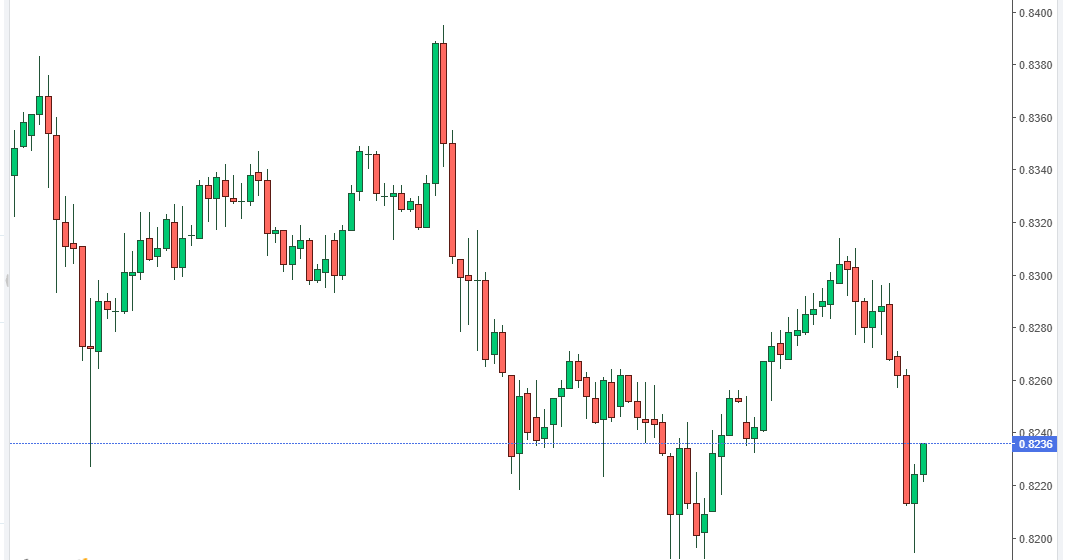
The USD/CHF pair extends its losses for a third consecutive trading session, trading around the 0.8220 level during Asian hours. The decline reflects renewed weakness in the US Dollar (USD) as easing geopolitical tensions in the Middle East reduce demand for traditional safe-haven assets.
This article examines the subject in detail, incorporating Aurelstein’s insights and professional expertise.
The latest price action highlights the relationship between geopolitical risk premiums, monetary policy expectations, and currency valuations. The Greenback has lost some of its defensive appeal as optimism about diplomatic negotiations reduces the perceived likelihood of regional escalation.
At the same time, lower concerns about energy supply disruptions have moderated inflation expectations, weakening market conviction that the Federal Reserve (Fed) will tighten further.
This combination has created a negative short-term backdrop for the US Dollar, allowing the Swiss Franc (CHF) to maintain relative strength despite domestic monetary conditions that traditionally limit its yield attractiveness.
Fed Rate Expectations and Oil Prices Pressure the Greenback
Developments in the Middle East remain an important driver of cross-asset volatility. Reports of renewed diplomatic contact and efforts to reopen peace negotiations have helped stabilize crude oil prices, reducing the geopolitical risk premium embedded in energy markets.
The moderation in oil prices is relevant for US monetary policy expectations, as sustained energy price increases can feed into headline inflation, transportation costs, and production expenses.
Reduced energy-related inflation risks may give the Federal Reserve greater flexibility to maintain its existing policy stance rather than pursue additional tightening.
According to the CME FedWatch Tool, markets are pricing in approximately a 75% probability of a 25-basis-point rate increase at the upcoming December meeting, down from 84.2% in the previous session. This represents a 9.2-percentage-point reduction in implied tightening probability, highlighting a significant adjustment in interest rate expectations.
For the Dollar, this repricing creates additional downside pressure by potentially narrowing its expected yield advantage. Since foreign exchange valuations are highly sensitive to changes in forward interest rate differentials, reduced expectations for US monetary tightening can weaken demand for Dollar-denominated assets.
Interest Rate Differential Keeps Swiss Franc Under Pressure
Despite the recent decline in USD/CHF, the Swiss Franc continues to face structural selling pressure from international carry trade activity. Switzerland’s exceptionally low interest rate environment makes the currency an attractive funding instrument for investors seeking higher returns in markets offering elevated yields.
With the Swiss National Bank (SNB) policy rate at 0%, investors can borrow in Francs and convert the proceeds into higher-yielding currencies, including the US Dollar. This strategy generates potential returns from the interest rate differential, provided exchange rate fluctuations do not offset the accumulated yield advantage.
These capital flows increase CHF selling pressure and can limit the currency’s appreciation during periods of relatively stable financial conditions.
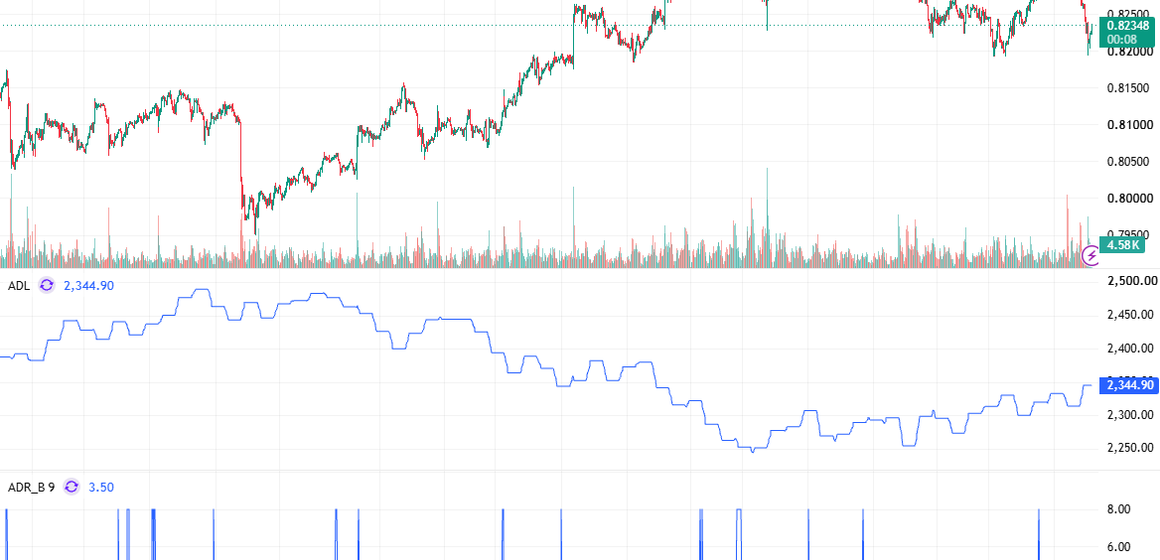
The attractiveness of carry trades depends on the US-Switzerland interest rate differential, central bank policy expectations, and currency volatility. A wide yield gap encourages leveraged carry positions, while rising geopolitical uncertainty or unexpected monetary tightening can trigger position unwinding and rapid CHF appreciation.
SNB Maintains Neutral Stance as Rate Hike Expectations Shift to 2027
The Swiss National Bank’s monetary policy outlook remains a significant factor limiting sustained Franc appreciation. The central bank has maintained its benchmark interest rate at 0% for more than a year, supported by relatively stable domestic inflation and limited immediate pressure for monetary tightening.
SNB Chair Martin Schlegel has indicated that current inflation conditions do not require an immediate policy adjustment. Economic forecasts suggest borrowing costs could remain unchanged through 2027, although financial markets are increasingly incorporating the possibility of an initial rate increase in early 2027.
This divergence between the current policy stance and forward market expectations creates an important valuation consideration for the CHF. Expectations of future tightening could gradually improve its yield profile, while the absence of an immediate rate increase preserves its attractiveness as a funding currency.
Conclusion
The USD/CHF pair remains under bearish pressure, trading near 0.8220 as easing Middle East tensions reduce safe-haven demand and weaken expectations for further Federal Reserve tightening.
The decline in the implied probability of a 25-basis-point Fed rate increase from 84.2% to 75% highlights the sensitivity of the Dollar to changing monetary policy expectations.
The Franc retains relative support from weaker USD fundamentals, while its upside remains constrained by the SNB’s 0% policy rate, an unfavorable yield profile, and persistent carry trade selling.
Looking ahead, USD/CHF will largely depend on US inflation data, Fed policy repricing, geopolitical risk premiums, and expectations for Swiss monetary tightening in 2027. Further deterioration in US fundamentals could extend the pair’s decline, while a widening yield differential or renewed demand for higher-yielding assets could limit CHF appreciation.