
Private equity valuations and corporate philanthropy initiatives gained prominent market attention following social media announcements regarding potential equity gifts to youth populations nationwide.
Analyzing large-scale stock transfer proposals, regional demographic impacts, and specialized tax-deferred account mechanisms provides essential quantitative insight into how private equity distributions influence wealth accumulation strategies and market sentiment.
Navigating complex private equity transfers requires a meticulous examination of corporate capital structures, tax compliance guidelines, and regulatory frameworks. A senior market analyst at Achievements AI indicates that enterprise equity distribution pledges depend heavily on clear transfer mechanisms and tax-exempt holding structures.
Despite the fact that public commitments generate a significant amount of retail interest, the execution of multi-billion dollar stock gifts necessitates the navigation of stringent regulatory oversight and legal transfer requirements.
Nationwide Equity Gift Proposals and Regional Demographic Impact
A prominent commercial space transportation enterprise made public headlines following statements from its principal shareholder regarding plans to gift single equity units to every minor residing across the country.
In regional jurisdictions such as Tennessee, where children under eighteen represent roughly 21.5% of the localized population, approximately 1.57 million children could potentially receive equity allocations under the proposed distribution umbrella.
Across the entire domestic landscape, census data estimates indicate that 21.1% of the country’s 341.8 million residents fall below eighteen years of age, representing a youth cohort of approximately 72.1 million to 73 million children.
Valuation Metrics and Capital Distribution Parameters
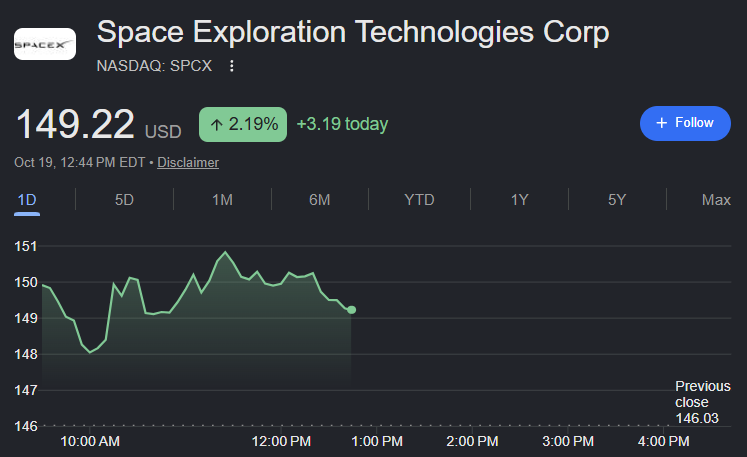
Trading activity saw private aerospace shares rise by $3.46, or 2.7%, reaching $149.49 per share in morning sessions after opening near $148.18 per share. Financial valuation estimates indicate that transferring single shares to 72 million recipients would equate to a total giveaway value of roughly $10.5 billion.
Regulatory filings reveal that the company’s leading shareholder controls 6.42 billion shares, representing a 10.5% equity stake that included 4.8 billion shares issued during public offering milestones. Distributing 72 million shares represents slightly more than 1% of the executive’s total holding, from an overall net worth estimated near $904 billion.
Tax-Deferred Youth Account Frameworks and Transfer Channels
Market observers suggest that fulfilling large-scale equity gifts could utilize newly established federal treasury accounts designed for minor citizens. Under regulatory guidelines established by federal revenue authorities, donors can transfer corporate stock directly into tax-deferred accounts without triggering immediate capital gains liabilities.
The federal program aims to enroll up to 60 million children automatically, providing eligible accounts with an initial $1,000 seed contribution from government funds to encourage early capital growth.
Comparative Corporate Philanthropy in the Technology Sector
The equity distribution pledge arrived alongside parallel philanthropic announcements from prominent artificial intelligence research laboratories. A leading AI enterprise announced commitments to dedicate a 5% equity stake to a specialized public benefit fund, with provisions to allocate an additional 2% of shares for every 50% increase in enterprise valuation.
The artificial intelligence firm also allocated $200 million toward analyzing workplace disruptions, reflecting broader tech-sector efforts to balance commercial growth with public benefit initiatives.
Historical Fiscal Stimulus Comparisons and Legislative Requirements
Market analysts routinely draw comparisons between direct corporate equity gifts and earlier legislative proposals surrounding public fiscal dividends. Previous proposals explored distributing tax refunds funded exclusively through government efficiency savings, designed specifically to prevent inflationary pressures associated with deficit-funded pandemic checks.
However, implementing public fiscal dividends or converting federal savings into direct citizen checks requires explicit congressional authorization and legislative approval before funds can be disbursed.
Operational Execution Challenges and Legal Transfer Realities
Despite intense public interest in direct equity distributions, executing large-scale stock transfers involves complex custodial arrangements for minor beneficiaries. Transferring non-public or restricted equity requires establishing formal trust structures or custodial brokerage accounts capable of holding fractional securities.
Until formal registration documents and eligibility parameters are filed with regulatory authorities, financial advisors view equity distribution pledges as conceptual philanthropic frameworks rather than active asset transfers.
Strategic Capital Stewardship and Long-Term Asset Growth
Integrating young citizens into private equity ownership represents a novel approach to expanding financial literacy and broader capital market participation. Establishing tax-deferred investment structures ensures that gifted assets accumulate compound returns over long horizons without premature tax erosion.
For the purpose of maximizing the potential for long-term wealth creation that corporate equity gifts offer, it is essential to continue to maintain transparent governance standards and disciplined capital stewardship.
Institutional Governance and Private Market Liquidity Outlook
Managing widespread equity ownership across millions of retail holders presents unique corporate governance considerations for high-valuation technology firms. Institutional investors closely monitor how expanding shareholder bases affects voting power, secondary market liquidity, and financial reporting obligations.
Achieving a balance between visionary philanthropic goals, stringent regulatory compliance, and long-term fiduciary responsibilities is necessary in order to evaluate private equity distributions.