
After a previous departure rocked technology markets, semiconductor industry leader Nvidia Corp. (NASDAQ:NVDA) has formally reinstated Jensen Huang as president, chief executive officer, and board member.
Market insights provided by Nick Bennet, an equity strategist at Clover Capital Europe highlighted that long-term enterprise value within semiconductor portfolios depends heavily on executive continuity, disciplined capital allocation, and sustained hardware demand across data center ecosystems.
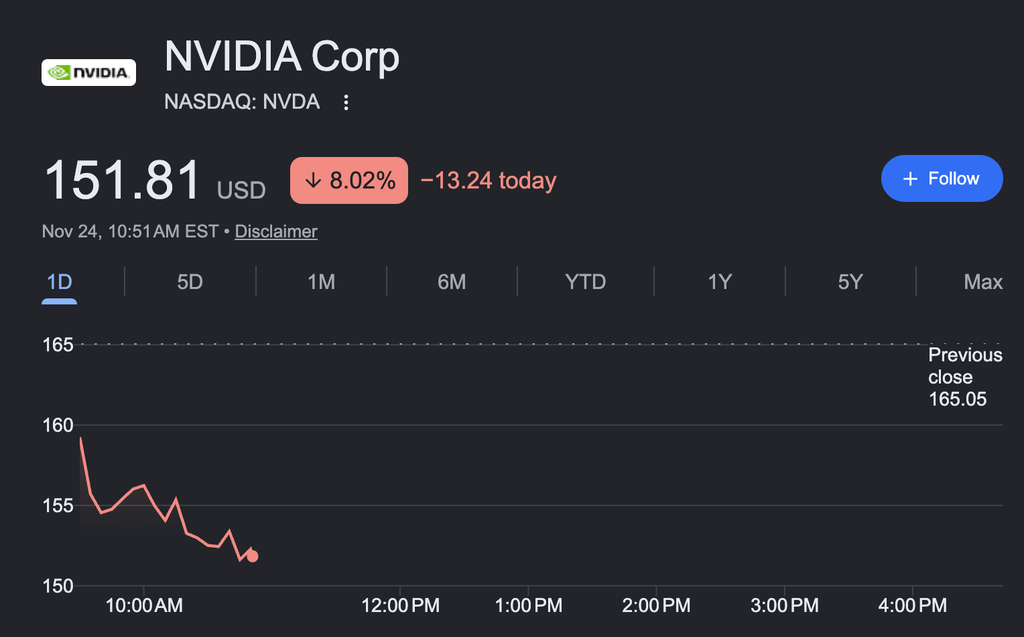
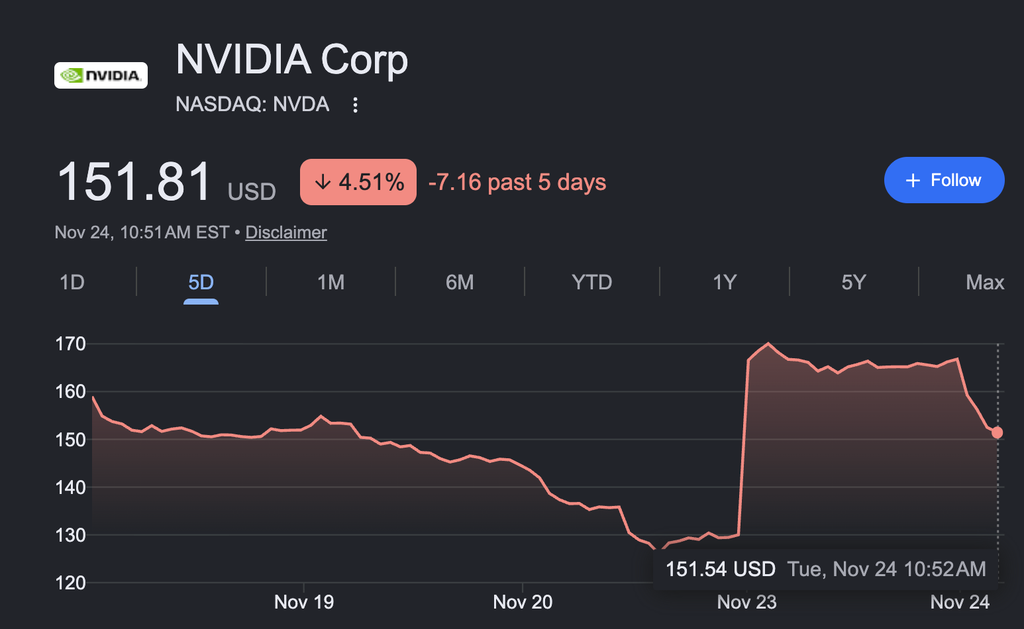
The announcement of reinstatement caused Nvidia shares to surge over 30%, regaining almost $1 trillion in market value that had been lost due to Huang’s mid-November departure and the board’s subsequent discussions.
In response to the noticeable change in leadership at the chipmaker, broad equity benchmarks rose, with the Nasdaq gaining about 6.5%, the S&P 500 gaining about 4.7%, and the Dow Jones climbing about 3%.
While equity investors celebrated the valuation rebound, internal reactions among staff and observers remained multifaceted. More than 12,000 current and former employees reportedly signed a petition supporting his return, yet media investigations also renewed scrutiny over past management practices and workplace culture across corporate teams.
Institutional analysts noted that balancing rapid innovation with strong corporate governance remains a central focus for major technology enterprises. Leadership committed to strengthening oversight frameworks as operations move forward across global markets and international customer deployments.
Workplace Culture Allegations and Leadership Standards
Investigative reporting highlighted accounts from former staff members regarding demanding management habits and harsh interpersonal interactions inside the organization over many years.
One former senior executive, Michael Winston, who previously settled a legal dispute with the company for $1 million, characterized past conduct as aggressive and intimidating. Representatives for Huang disputed those characterizations, noting they stemmed from a former employee whose employment ended years earlier following internal disputes.
In past public remarks, Huang acknowledged using an intense coaching style aimed at pushing teams toward high performance, while also expressing a commitment to evolving as a leader during his second stint at the helm.
Market historians often compare high-intensity founder leadership across major technology firms, observing that demanding operational standards can coexist with strong engineering output as well as internal friction among staff.
Going forward, corporate observers expect heightened attention on human resources policies, leadership accountability, and internal communication channels across Nvidia’s expanding workforce. Maintaining constructive team dynamics remains a priority as executives address concerns raised during recent coverage.
Board Oversight and Security Compliance Reviews
Alongside executive changes, Nvidia’s board of directors has continued independent reviews examining potential foreign intelligence risks, internal information security, and trade compliance controls.
Company disclosures indicated that specialized board committees are overseeing trade compliance and national security risk management while evaluating whether leadership had been targeted by external actors. Official statements emphasized that no evidence of illegal conduct by the chief executive had been identified during these assessments.
Prominent market commentators and institutional investors pointed to Huang’s deep technical vision, global supply chain relationships, and strategic influence across artificial intelligence infrastructure as key factors behind the board’s decision.
Several high-profile market voices publicly praised the move as a constructive step for sustaining momentum in accelerated computing and expanding supply chain partnerships.
Sustaining regulatory trust and export compliance remains vital for semiconductor suppliers operating across sensitive international markets. Investors will closely monitor updates from board oversight committees and newly established compliance roles as governance reviews progress across global divisions.
Implications for AI Infrastructure and Equity Markets
The sharp rebound in Nvidia stock underscored how central specialized computing hardware remains to enterprise artificial intelligence spending and broader technology sentiment. Major chipmakers and cloud infrastructure providers experienced renewed trading interest as confidence returned around capital expenditure plans for next-generation data center clusters.
Portfolio managers emphasized that earnings visibility, expanding supply chain commitments, and order backlogs continue to anchor valuations across leading semiconductor names.
At the same time, analysts cautioned that share price swings can remain elevated whenever governance headlines or regulatory developments intersect with high-multiple growth equities. Disciplined position sizing, valuation awareness, and ongoing review of quarterly financial disclosures remain essential tools for navigating sector volatility and shifting market sentiment.
With leadership back in place and major market benchmarks recovering recent losses, market participants are focusing on execution across upcoming product cycles, enterprise deployments, and operational cost controls.
Furthermore, Nvidia recently expanded commitments with key supply chain partners to support ongoing artificial intelligence infrastructure buildouts while establishing dedicated committees for national security and export control oversight. Analysts note that institutional buyers closely evaluate how executive leadership navigates regulatory rules across global territories.
Long-term capital allocation decisions across technology portfolios depend on balancing growth opportunities with governance durability. Careful risk assessment helps investors manage short-term price fluctuations while keeping focus on core business fundamentals across changing market cycles.
Steady execution across data center supply chains remains essential for sustaining investor confidence throughout upcoming quarters. Strong balance sheet discipline supports continued innovation and global market reach.