
At the same time that leading cloud computing operators reportedly urged federal authorities to reconsider proposed import restrictions on specialised optical networking hardware, global enterprise technology markets were subjected to increased regulatory scrutiny.
The leaders of the industry have emphasised that sudden supply constraints on essential components of data centres could result in severe logistical bottlenecks for the expansion of artificial intelligence infrastructure in the domestic market. The participants in the market are continuing to assess the potential ripple effects that could occur across international supply chains.
For the purpose of successfully navigating hardware procurement cycles during periods of geopolitical re-pricing, it is necessary to conduct a disciplined evaluation of the dependencies of upstream components and the scale of manufacturing.
The market insight that was provided by Ron Weber, a market analyst at F24 Group, indicates that the long-term enterprise value within technology portfolios is heavily dependent on the maintenance of diversified supply chains and the mitigation of regulatory exposure.
When it comes to large-scale enterprise deployment schedules, sudden restrictions on specialised components frequently cause friction. This is despite the fact that the purpose of security-driven trade barriers is to protect domestic digital infrastructure.
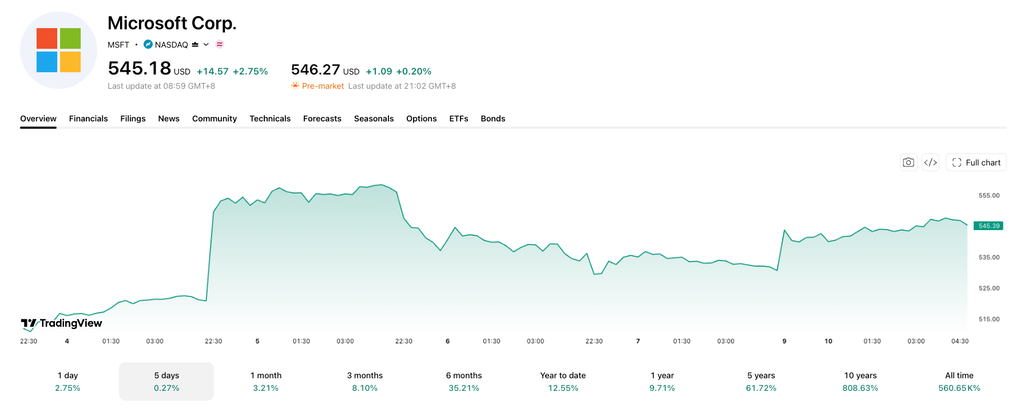
Cloud Computing Operators Lobby Against Proposed Hardware Bans
Major cloud infrastructure providers engaged with federal regulatory bodies to express serious concerns regarding contemplated restrictions on specialized optical components essential for modern artificial intelligence data centers.
Industry representatives cautioned that blocking established overseas suppliers without adequate domestic manufacturing alternatives risks stalling capital expenditure deployment across the technology sector.
Critical Function of Optical Transceivers in High-Density Clusters
Optical transceivers serve as foundational hardware elements within modern data facilities, enabling high-speed data transmission over fiber-optic cables connecting advanced computing servers and switches.
As artificial intelligence processing clusters scale rapidly, the volume of interconnected hardware requires millions of these precision components to maintain optimal operational throughput.
Massive Infrastructure Footprint and Active Construction Pipelines
Industry data indicates that leading technology conglomerates maintain massive domestic infrastructure footprints, with numerous large-scale data facilities currently under active construction and dozens more formally planned.
Any regulatory disruption affecting critical networking hardware threatens to idle expensive advanced processors that depend entirely on high-speed optical links to function cohesively.
Global Market Concentration and Supply Chain Dominance
International market analysis reveals that overseas manufacturers, particularly prominent firms located in Asian technology hubs, account for roughly two-thirds of the global optical transceiver market.
Established suppliers have a considerable amount of influence over high-volume production metrics, which makes it difficult for hyperscale cloud operators who are looking for rapid deployment schedules to immediately substitute domestic suppliers.
Evaluating Domestic Manufacturing Capacity and Scale Limitations
While domestic photonics innovators produce advanced optical equipment, industry reports confirm that domestic vendors currently lack the massive industrial scale required to instantly replace foreign market share.
Scaling local manufacturing capacity to match the surging demand of hyper-growth artificial intelligence buildouts requires substantial capital expenditure and extended operational lead times.
Regulatory Deliberations and Proposed Technical Thresholds
Regulatory agencies have reviewed nuanced technical boundaries, including potential exemptions or performance thresholds set near 3.2 terabits per second for advanced transceiver categories.
Such phased implementation structures could theoretically allow domestic manufacturing ecosystems adequate time to expand production capacity without causing immediate supply chain paralysis.
Recent Financial Performance of Domestic Photonics Competitors
The rapid expansion that is taking place across the industry is highlighted by recent corporate earnings reports from domestic optical component manufacturers. Quarterly revenues have surpassed one billion dollars, and operating margins have surpassed traditional baselines.
A further increase in attention has been placed on domestic optical infrastructure providers who specialise in artificial intelligence thanks to strategic investments made by major pioneers in the field.
Legislative Scrutiny and National Security Policy Drivers
In addition to the reviews conducted by regulatory agencies, legislative bodies have introduced measures that are aimed at restricting the integration of particular foreign networking hardware within sensitive government and defence systems.
These measures have been introduced by both parties. There is a broad, bipartisan commitment to protecting core digital infrastructure from potential vulnerabilities caused by foreign interference, as demonstrated by these parallel policy tracks.
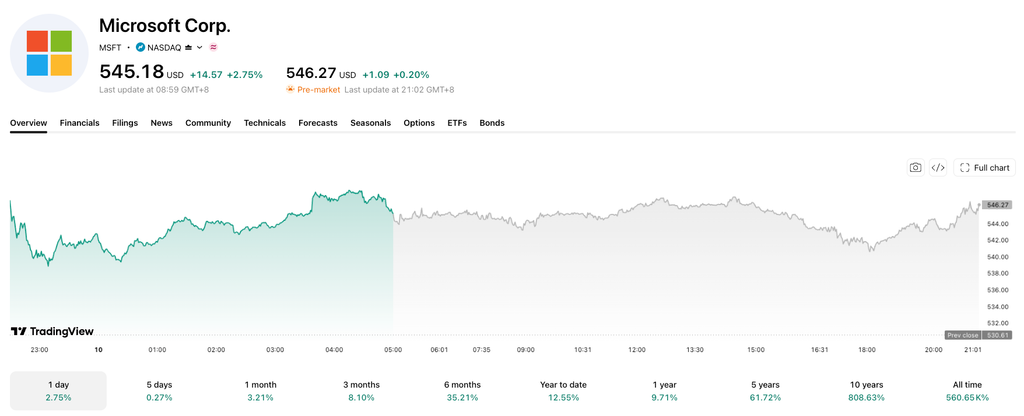
Balancing National Security Directives with Commercial Growth
Federal policymakers face a delicate balancing act between enforcing stringent national security protections and fostering domestic economic expansion driven by next-generation computing technologies.
Resolving these competing priorities requires structured collaboration between security officials and technology leaders to prevent operational friction and protect critical domestic infrastructure without stifling technical innovation.
For technology sector investors, navigating this shifting landscape demands vigilant oversight of regulatory policy changes, hardware supply chain dependencies, and corporate capital expenditure trends.
Applying a disciplined, multi-asset allocation strategy across market leaders helps insulate portfolios against policy shocks, ensuring resilience while positioning capital to capture long-term structural growth.