
The euro-yen cross dropped below the 177.00 handle during the second week of November 2026, trading near 176.65 in early European sessions as the Japanese yen continued to benefit from hawkish signals emanating from the Bank of Japan.
The decline extends a broader downtrend that has seen EUR/JPY fall from its April all-time high of 187.95 to levels not visited since late 2025.
Analysts from Fonndure examine the technical positioning, the monetary policy divergence driving the pair, and what scenarios could emerge before year-end.
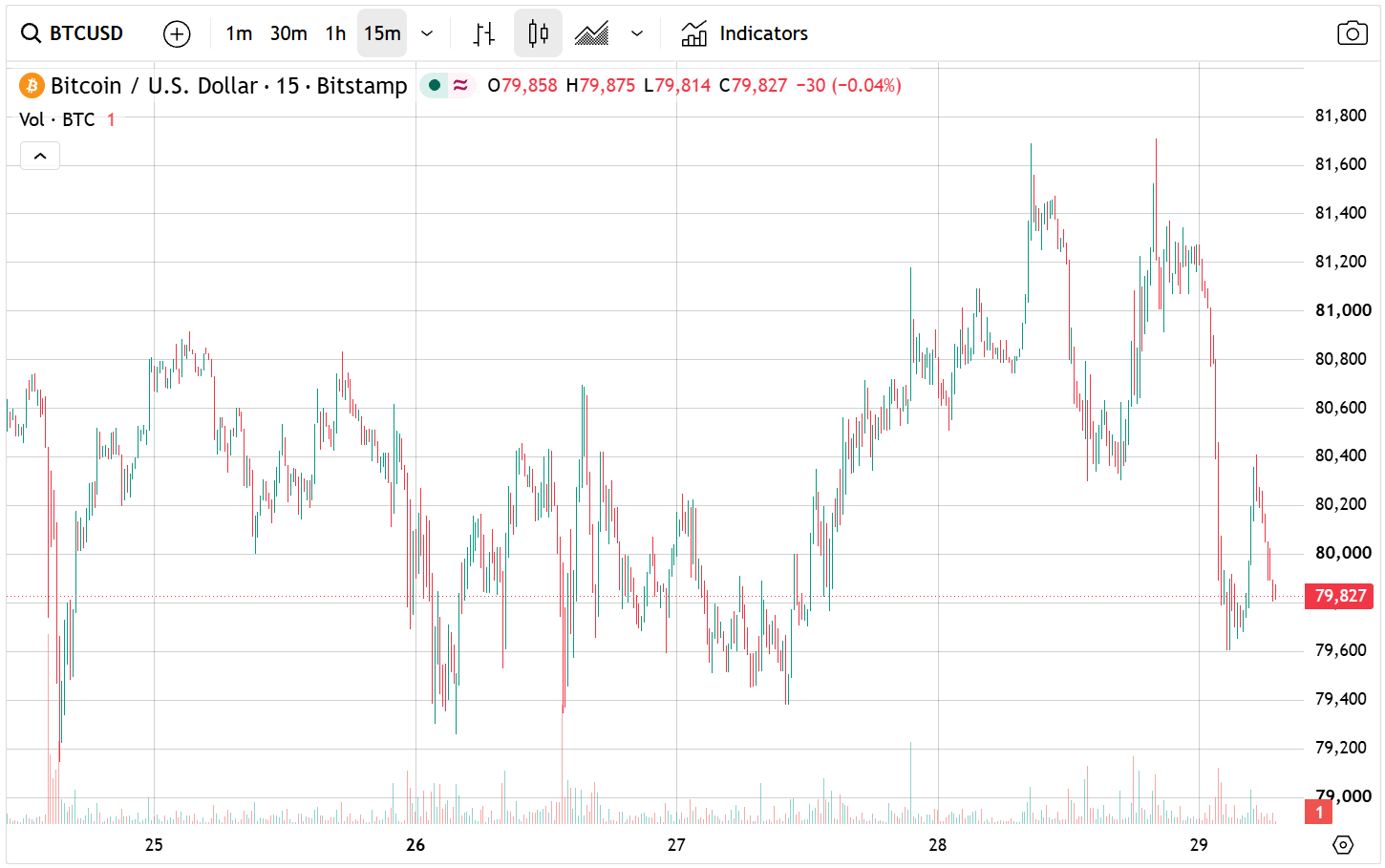
Technical Structure: Bearish Momentum Below the 100-Day SMA
EUR/JPY’s decline below 177.00 places the pair firmly beneath its 100-day simple moving average near 179.50, a level that has capped every recovery attempt since mid-October.
The 14-day RSI reads near 41, pointing to subdued momentum without yet reaching oversold extremes. This suggests further downside is technically possible before the pair attracts meaningful buying interest from contrarian traders or value-oriented funds.
The RSI’s trajectory has been consistently below 50 since early October, confirming that bears maintain control of the short-term direction.
A sustained break below that zone would expose the 173.90 level, which MUFG Research identifies as its fourth-quarter target for the pair. On the upside, resistance clusters around 179.50 to 180.00, where the 100-day moving average converges with the nine-day exponential moving average.
Bank of Japan: Hawkish Minutes Keep Yen Demand Firm
Minutes from the Bank of Japan’s September policy meeting, released in early November, bolstered expectations for the next interest rate increases.
Several board members expressed confidence that underlying inflation is trending toward levels consistent with the 2% price stability target, and multiple participants explicitly supported continued monetary tightening as long as economic conditions warrant it.
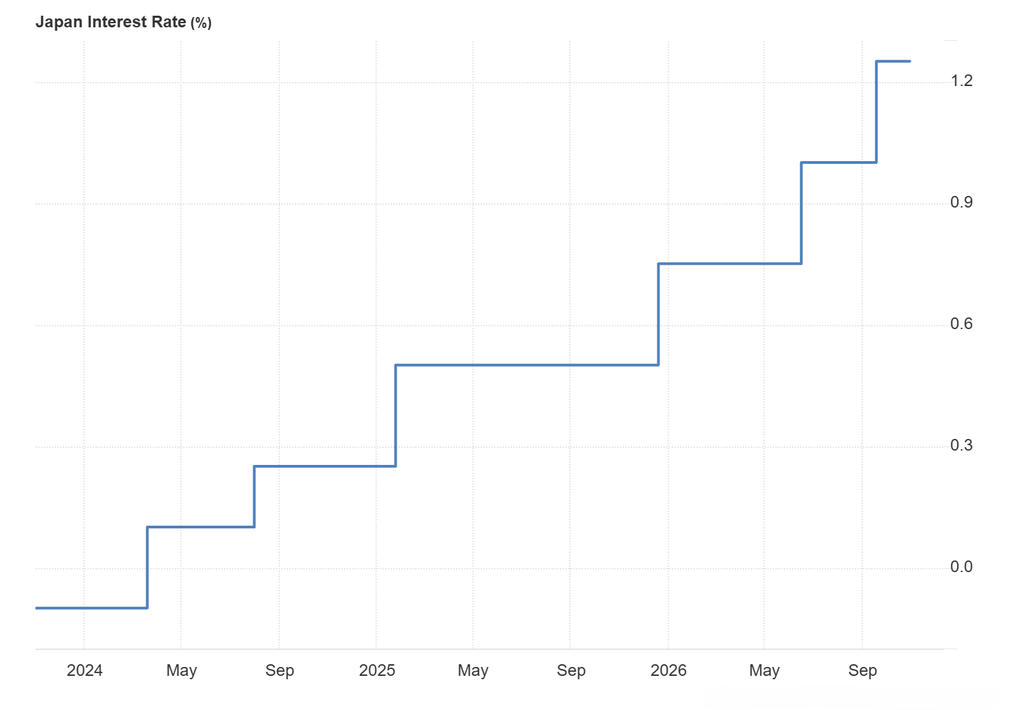
The BoJ’s current policy rate stands at 1.25% following the September hike. Markets are now pricing in the possibility of an additional 25 basis-point increase before the first quarter of 2027, which would bring the rate to 1.50% and mark the highest level since the late 1990s.
The median core CPI in 2026 is still at 2.5%, unchanged since the July forecast, suggesting the bank sees price pressures as sufficiently persistent to justify further normalisation.
Governor Kazuo Ueda has indicated that the central bank may raise rates if economic and price developments align with expectations, while cautioning that downside risks to growth remain.
This measured hawkishness has been enough to sustain yen demand, particularly as the interest rate differential between Japan and other major economies continues to narrow incrementally.
ECB Policy: Stability Limits Euro Downside
On the European side, the single currency has displayed a steadier profile. The European Central Bank raised its deposit rate to 2.50% in September, its second hike of 2026, and money markets currently assign less than a 10% probability to a rate cut before February 2027.
This perception that the current easing cycle has ended provides a floor under the euro and limits the pace at which EUR/JPY can decline.
Eurozone economic data has been mixed. Industrial production figures beat expectations in November, offering evidence of manufacturing resilience, while surging energy costs continue to fuel inflation risks that could keep the ECB on a hawkish footing longer than anticipated.
The combination creates a backdrop in which the euro is neither strong enough to rally aggressively nor weak enough to capitulate, resulting in the grinding, range-bound decline that has characterised EUR/JPY since mid-year.
MUFG Research’s November outlook projects EUR/JPY at 173.60 for the fourth quarter of 2026 and 174.40 for the first quarter of 2027. The consensus forecast compiled by Reuters sits higher at 179.00 for Q4 and 176.50 for Q1, highlighting the divergence of opinion among institutional forecasters.
Scenarios and Key Catalysts for Year-End
The pair’s trajectory through December will be shaped primarily by the next BoJ policy meeting on December 18 to 19 and any accompanying changes to the bank’s inflation forecasts.
A rate increase to 1.50% would likely accelerate the decline in EUR/JPY toward the 173 to 174 zone, while a decision to hold would provide a temporary reprieve and could trigger a relief rally toward 180.00.
Intervention risk remains an additional consideration, though it cuts in a less familiar direction at current levels. Japanese officials have repeatedly signalled willingness to act against excessive yen weakness, and the current yen strength reduces the urgency for direct intervention.
However, a shift in rhetoric from the Ministry of Finance, particularly any language suggesting that yen appreciation has become excessive, could rapidly alter positioning in the cross.
Traders looking to establish positions should watch the BoJ’s next communication closely, as it remains the single most influential variable for EUR/JPY direction into year-end.