
Struggling bar and restaurant operators face mounting economic pressures, culminating in the abrupt closure of all corporate-operated units for a well-known Southern comfort food brand.
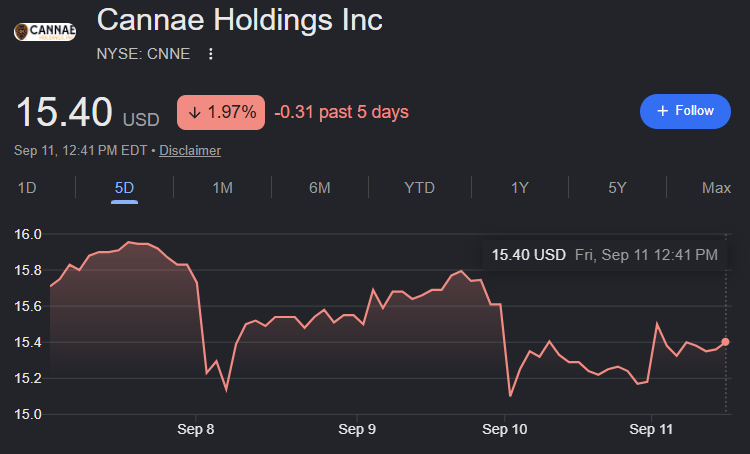
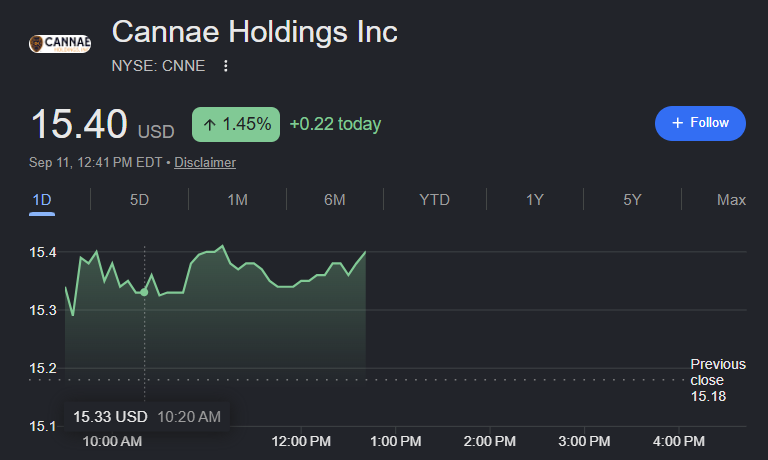
Founded in Nashville, Tennessee, the casual dining chain operated under parent company Cannae Holdings, trading under the ticker symbol CNNE, and once maintained a robust footprint across multiple states. However, persistent operational headwinds and declining same-store sales have forced a comprehensive shutdown of company-owned establishments.
Navigating complex corporate restructurings requires careful analysis of operational efficiency and cash flow sustainability. An investment researcher at Financial Real Time mentioned that long-term enterprise value within consumer discretionary sectors depends heavily on maintaining profitable four-wall unit economics.
Although brand heritage provides initial consumer loyalty, sustained financial viability ultimately requires rigorous cost control and adaptable business models.
Deconstructing The Nationwide Corporate Shuttering Process
The decision to close all company-owned dining rooms ended a multi-decade operational run spanning over fifty years. Official corporate notices and digital asset deactivations confirmed the nationwide shutdown of corporate locations, leaving official websites and social media channels offline.
While corporate management executed immediate closures across company-operated stores, select franchised units maintained independent operations temporarily under separate licensing agreements, attempting to trade for as long as economically feasible before facing permanent wind-down timelines.
Analyzing Historical Footprint Contraction And Peak Metrics
At its historical peak, the restaurant portfolio expanded significantly, operating nearly 250 restaurants nationwide across thirteen states. Over subsequent years, shifting consumer dining habits and inflationary cost pressures eroded profit margins, driving a steady reduction in store counts.
By the midpoint of the fiscal year, reported active store counts had dropped sharply to just 47 locations. This prolonged footprint reduction reflects the compounding difficulties casual dining brands encounter when attempting to scale operations in highly competitive markets.
Evaluating Strategic Restructuring And Asset-Light Models
The previous leadership teams were responsible for implementing a variety of strategic initiatives with the goals of reducing the footprint of the corporation, maintaining cash flow, and transitioning toward an asset-light operating model.
As a direct response to the volatility of furnaces and macroeconomic conditions, the leadership had previously announced their intention to liquidate nearly two dozen locations in order to reduce the number of underperforming stores by 17%.
Despite the fact that these strategies were ultimately insufficient to reverse negative sales trends, the stated corporate objective was entirely centered on ensuring the long-term health of the brand by getting rid of non-performing assets that failed to generate positive cash flow.
Examining Second-Quarter Sales Decline And Financial Strain
There was a significant decrease of 13.1% in same-store sales during the second fiscal quarter, which is highlighted by financial reports that illustrate the severity of the operational downturn.
This decrease occurred during the fourth quarter of the fiscal year. The management made an effort to stabilize performance by implementing comprehensive menu engineering, improved customer service protocols, and selective closures of units that were not performing well.
However, ongoing turnaround efforts were overwhelmed by persistent margin compression and rising labor costs, which accelerated the ultimate liquidation of the corporate portfolio.
Contrasting Corporate Shutdowns With Independent Franchises
Due to the fact that they were run under different ownership structures than the corporate-operated units, franchised locations were able to maintain their temporary operational independence.
Some employees at the remaining franchise units in Ohio, Virginia, and Tennessee reported that they were planning to continue operating for several weeks while they waited for final disposition instructions.
Other employees reported that the timelines were different. The existence of this divergence brings to light the inherent structural complexities that are present in franchise agreements in situations where parent corporations are experiencing terminal financial distress at the enterprise level.
Placing Recent Restaurant Industry Contractions Into Perspective
This restaurant chain in the South has abruptly shut down, which is reflective of broader trends of consolidation that are occurring throughout the restaurant industry.
There have been a number of casual dining concepts and regional grill chains that have closed portions of their national footprints as a result of severe margin compression, elevated debt burdens, and shifting consumer discretionary spending patterns.
With these ongoing industry liquidations, the challenging operating environment that traditional sit-down restaurant concepts are facing across the country is brought into sharper focus.
Key Industry Insights for Consumer Investors
For legacy dining brands, the importance of conducting comprehensive asset evaluations is brought into sharper focus by the structural decline and eventual closure of these brands. The longevity of a brand is not sufficient to insulate businesses from the fundamental economic realities that confront them.
This is due to the fact that consumer preferences are constantly shifting and operating expenses continue to rise. As a consequence of this, effective management of the balance sheet continues to be an essential component for both investors and operators.