
Bitcoin is trying to shake off a rough stretch, and a fresh wave of analyst optimism is putting a bold number back on the table. Brokers from Vaulltier dive into this topic to unpack whether the world’s largest cryptocurrency can realistically double in value by the end of 2027.
Where Bitcoin Stands Right Now
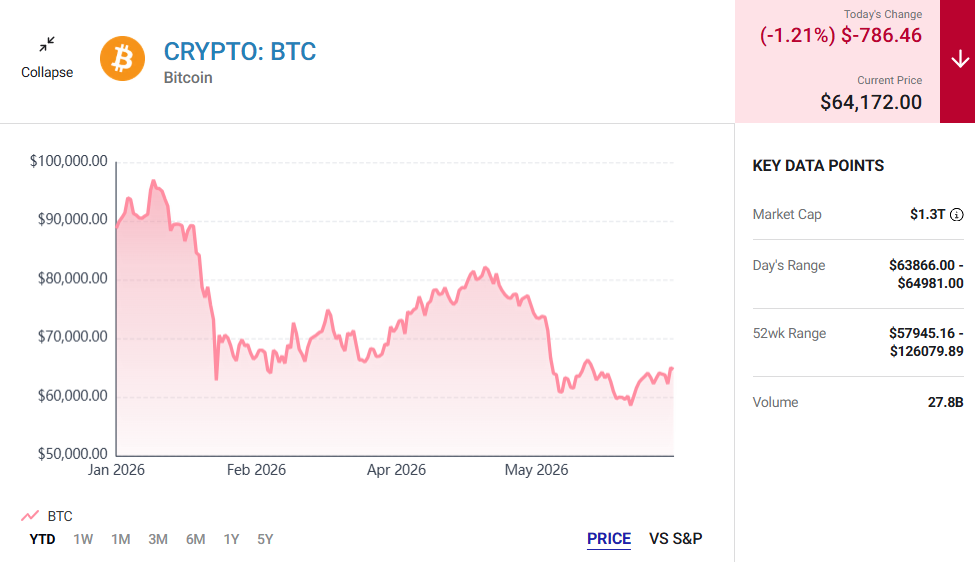
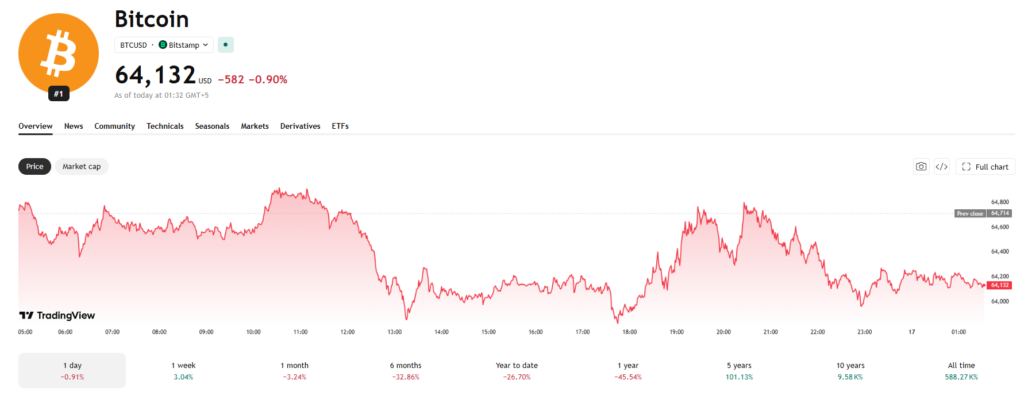
The coin is currently changing hands around $64,000, which is nearly 50% below its all-time high of $126,000 reached in October 2025. That kind of drawdown would rattle most assets, but Bitcoin has a well-documented habit of bouncing back hard after brutal corrections.
One of the loudest voices behind the renewed optimism is Cathie Wood of Ark Invest, who recently suggested the market may have finally found its bottom. She has been careful to temper expectations, though, warning that any recovery is likely to be volatile rather than a clean, steady climb.
That distinction matters for traders trying to time entries around the next leg up, since a confirmed bottom does not guarantee a smooth or fast path back toward previous highs.
A Pattern of Sharp Recoveries
History offers a useful reference point for why analysts are willing to entertain a doubling scenario. In 2022, Bitcoin collapsed by 64%, sinking as low as $16,000, and plenty of observers assumed the asset was finished. Instead, it delivered a 156% return in 2023 and followed that with a 121% gain in 2024, eventually powering its way to that October 2025 peak.
The Catalysts Behind the Bull Case
Several catalysts are being floated as reasons the next rally could take shape sooner rather than later. Spot Bitcoin ETFs, which had been bleeding money for much of the first half of 2026, are reportedly starting to see inflows return after months of steady outflows weighing on sentiment.
A shift back toward net buying from institutional funds would put a firmer floor under the price, reduce the odds of another sharp leg down, and give momentum traders a clearer signal to work with.
Geopolitics is also part of the picture. Escalating tensions in the Middle East have historically nudged some institutional money toward Bitcoin as a “store of value” alternative, reviving the so-called digital gold narrative whenever traditional markets get jumpy and investors look for assets outside the traditional financial system.
Regulatory tailwinds could add to the momentum too, with the proposed Digital Asset Market Clarity Act being compared to the stablecoin legislation that helped lift the broader crypto market last year and gave institutions more confidence to participate openly.
There is also chatter around a possible expansion of the U.S. Strategic Bitcoin Reserve. If government purchases actually materialize at scale, that kind of buying pressure from a sovereign-level participant would be a meaningful jolt for price discovery, though it remains a big “if” rather than a confirmed policy shift.
Not Every Analyst Agrees
Not every forecast reaches for a full doubling. Standard Chartered’s own base case has Bitcoin reaching $100,000 by the end of this year, a target that is bullish but noticeably more conservative than the $125,000-plus scenario now being discussed elsewhere.
That gap illustrates just how wide the range of credible outcomes still is for an asset known for extreme swings in both directions, and it is a reminder that even bullish analysts disagree sharply on timing and magnitude.
What It Would Take to Get There
What ties these scenarios together is the idea that Bitcoin’s bear markets tend to be followed by outsized recoveries rather than gradual grinds. The pattern from 2022 to 2025 shows how quickly sentiment can flip once a bottom is perceived to be in place, even if the climb itself is choppy along the way. That said, past performance offering a template is very different from guaranteeing it repeats.
The Bottom Line
For anyone weighing exposure to Bitcoin over the next 18 months, the setup being described is less about a straight-line march to $125,000 and more about tolerating turbulence in exchange for asymmetric upside. ETF flow data, regulatory developments, and any concrete steps toward reserve accumulation are likely to be the clearest signals worth tracking as this story develops.
Until then, the doubling thesis remains a plausible but far from certain outcome, resting on a combination of historical pattern, institutional appetite, and policy momentum that still has to prove itself.
Volatility cuts both ways, and a market capable of a 156% rebound is equally capable of disappointing those betting on a repeat performance. Anyone considering a position should weigh the bullish case carefully against the very real possibility that this particular cycle simply behaves differently from the last one, especially given how much of the thesis still hinges on events that have not yet happened.