

Rising corporate borrowing costs, changing political landscapes, and institutional investors reevaluating the valuations of mega-cap artificial intelligence companies are all contributing to persistent tactical defensive pressure in the global financial markets.
In order to gain essential quantitative insight into the manner in which institutional asset allocators restructure equity exposure during broader market retrenchments, it is necessary to conduct an analysis of global fund flow trends, movements in sovereign bond yields, and corporate credit spreads.
In order to successfully navigate portfolio allocations in the midst of volatile equity markets, it is essential to keep a close eye on indicators such as sector rotation, corporate credit spreads, and liquidity signals from central banks.
When capital markets are confronted with a tightening of credit availability across capital-intensive technology sectors, defence positioning strategies produce better risk-adjusted stability, according to specialised macro research conducted by an economy analyst at Raymin Group.
Institutional desks are primarily concerned with bolstering balance sheets and preserving capital, whereas retail inflows are influenced by momentum trends.
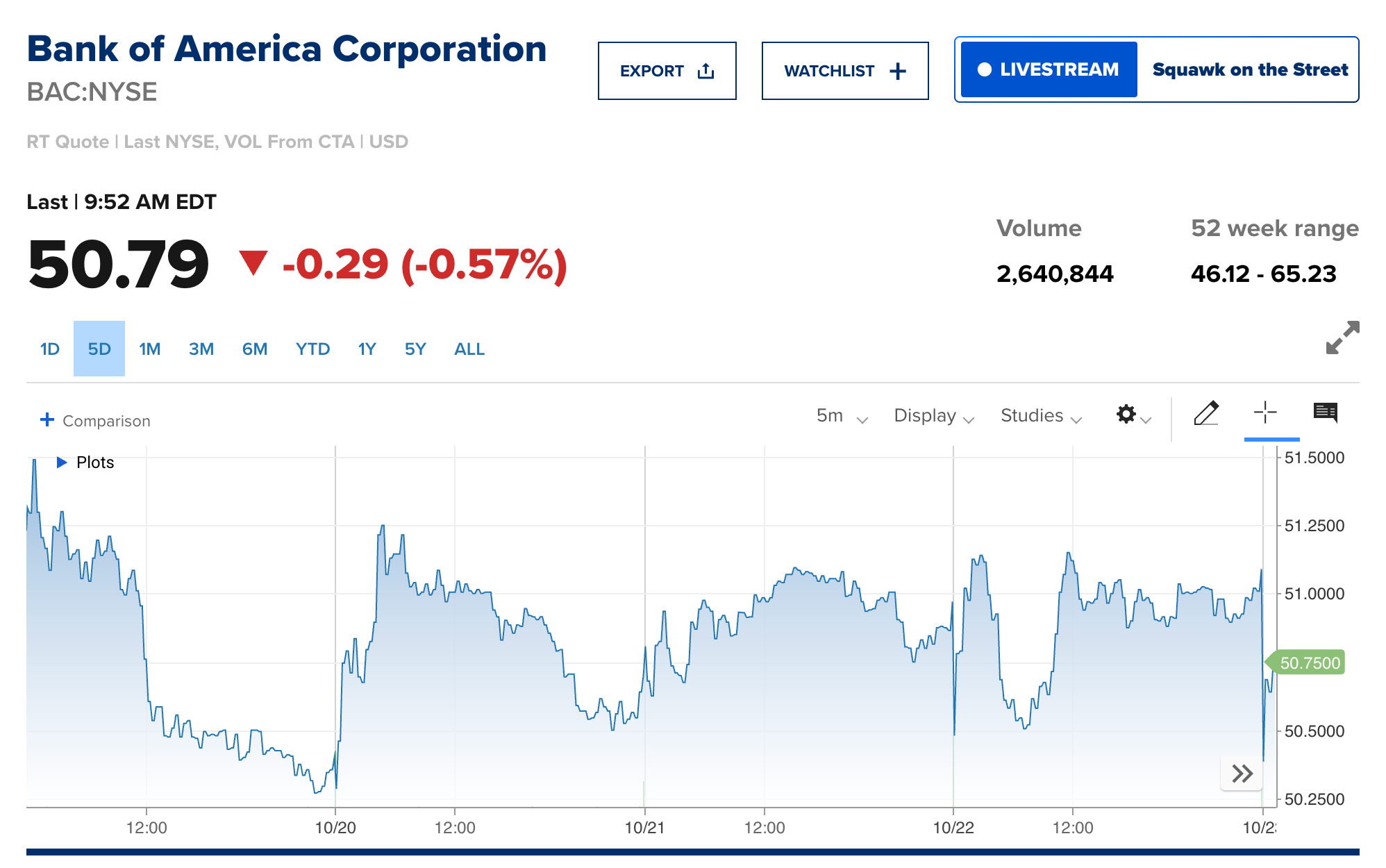
Tactical Defensive Positioning and Macroeconomic Catalysts
Investment strategists led by Michael Hartnett at Bank of America Corp advise maintaining a tactically risk-off stance through mid-November, anticipating persistent downward momentum across equity indexes, government bond yields, and the US dollar index.
Market commentary highlights that global equities have yet to fully price in potential political shifts following domestic legislative elections, which could disrupt existing corporate tax frameworks and regulatory environments.
To reignite sustainable risk appetite, market analysts identify three critical inflection points: policy intervention to stabilize European sovereign bond spreads, a peak in corporate credit spreads for technology infrastructure spenders, and greater clarity regarding fiscal policy continuity.
Credit Market Resistance and Capital Expansion Bottlenecks
Capital markets reflect growing investor reluctance to finance multi-billion-dollar artificial intelligence data center expansions. Highlighting this funding hesitation, specialized infrastructure developer Firmus recently withdrew its planned initial public offering due to insufficient institutional demand.
Concurrently, high-yield debt issued by prominent specialized cloud providers traded at distressed yield levels near 15%, while newly listed technology entities experienced post-IPO equity drawdowns exceeding 30%.
Should credit spreads on major technology corporate bonds widen beyond 200 basis points, institutional analysts warn that forced deleveraging could trigger broader market pullbacks across unrated credit markets.
European Equity Rotations and Cyclical Sector Pullbacks
In European equity markets, investor hesitation toward heavy infrastructure spending triggered the sharpest rotation from cyclical to defensive equities since early 2020. The MSCI Europe AI Capex Select Index dropped 15% from its peak, erasing all price gains accumulated since late summer.
Furthermore, the 12-month rolling correlation between technology capital expenditure beneficiaries and European cyclicals relative to defensives surged above 90%, compared to 25% in prior operating periods.
European cyclicals underperformed defensive sectors by 11%, led by sharp pullbacks in semiconductor producers, industrial equipment manufacturers, and mining operations.
Defensive Haven Inflows and Anti-Technology Sector Outperformance
Seeking shelter from volatile equity conditions, global capital flowed decisively toward traditional defensive havens. Non-cyclical consumer staple equities recorded their strongest relative monthly performance relative to broader market indexes since 1998, as investors prioritized stable cash flows over speculative growth.
Simultaneously, equal-weighted equity indexes significantly outperformed market-cap-weighted benchmarks, signaling that broader market participation is improving even as top-heavy technology market capitalization drivers undergo valuation corrections.
Technology Sector Fund Flows and Economic Monetization Risks
Despite near-term price volatility, retail and institutional fund flows into technology equities remained substantial, recording the largest weekly capital inflows since mid-summer.
However, bank strategists caution that enterprise software monetization metrics remain constrained, as falling API token prices drive higher usage volumes without generating proportional revenue expansion.
As rising interest rates squeeze incremental return on capital metrics, total enterprise technology outlays have flattened, raising concerns that massive corporate capital expenditure programs totaling $1.2 trillion through 2027 may face downward revisions.
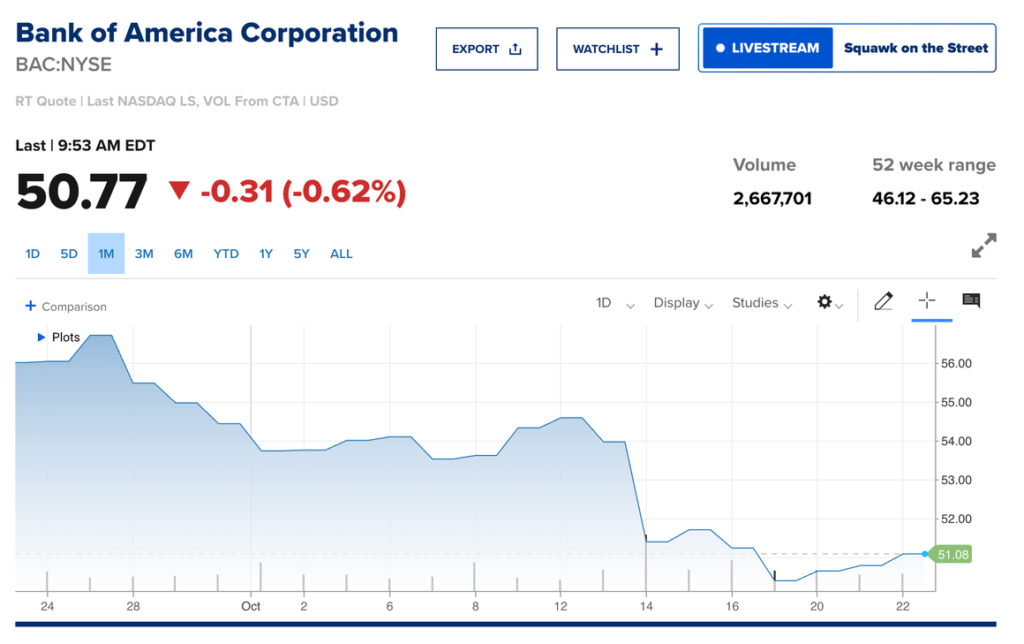
Defensive Portfolio Management and Strategies for Allocating Capital Tactically
By shifting their focus away from capital-intensive hardware makers and towards defensive staples with high yields, medical equipment providers, and short-duration sovereign debt instruments, institutional wealth managers are adjusting their asset allocations.
To protect wealth from market downturns, rebalance equity portfolios towards defensive industries that pay dividends on a regular basis. Financial institutions keep tabs on credit default swap spreads, corporate bond yield curves, and policy statements from central banks in order to determine the best times to re-enter various equity markets.
Choosing high-quality businesses that can generate positive free cash flow independently of cheap credit markets is the key to securing long-term capital appreciation in late-cycle market conditions.
Institutional investors can fortify their portfolios for future macroeconomic recoveries by amassing cash-generating value stocks during market corrections. To successfully navigate extended risk-off market phases, equity portfolios should prioritise strong balance sheet liquidity, low debt leverage, and disciplined capital allocation.