

At the European leg of Nvidia Corp.’s regional summit tour, which focused on artificial intelligence infrastructure development, high-performance computing executives and venture capital allocators gathered in Berlin.
Quantitative analysis of macroeconomic capital constraints, modular data centre container deployments, and specialised cloud operator credit profiles sheds light on the ongoing scaling phase of generative processing capacity in global technology markets.
Keeping tabs on data centre deployment velocities, capital expenditure budgets, and corporate credit profiles is essential for managing institutional exposure across hybrid cloud providers and semiconductor ecosystems.
Financial technology analyst at Raymin Group emphasizes that structural demand for specialized artificial intelligence compute remains robust even as debt-heavy cloud leasing providers face temporary equity repricing.
While specialized cloud providers experience near-term market volatility due to heavy borrowing burdens, continuous hardware efficiency gains support long-term infrastructure valuations.
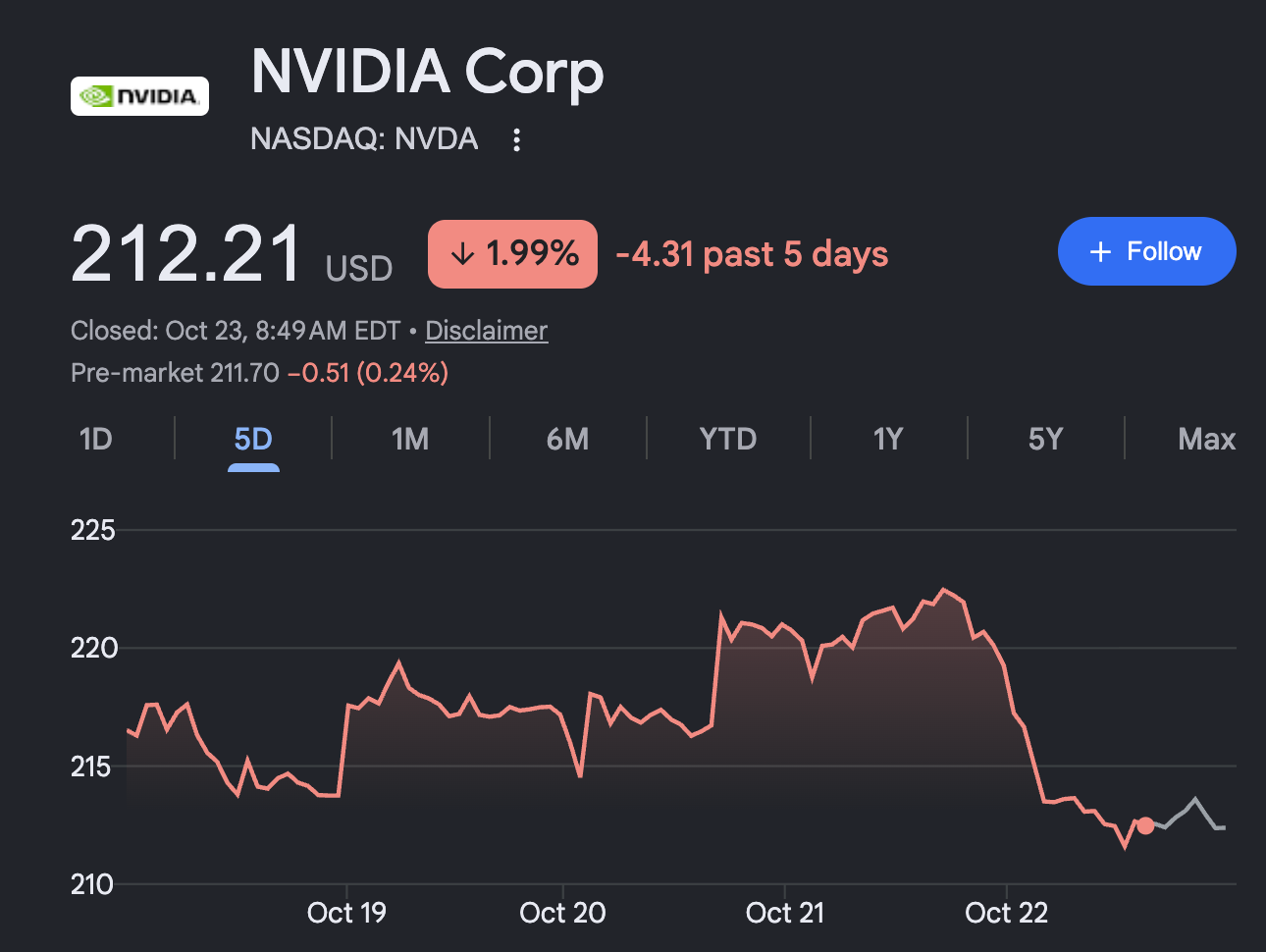
Specialized Cloud Sector Stress and Equity Market Divergence
The conclusion of the European developer summit coincided with sharp market sell-offs across publicly traded specialized cloud operators. Shares of CoreWeave dropped 10% in a single session, while Nebius declined 7%, extending a volatile trading period for specialized cloud providers leasing graphics processing units.
Market anxieties center on elevated debt obligations and unrated corporate balance sheets among emerging compute leasing vendors. Despite market skepticism, executive leadership maintained an optimistic outlook regarding core compute demand, noting that fundamental enterprise utilization rates for specialized cloud platforms remain unprecedentedly strong.
Containerized Compute Architecture and Rapid Deployment Mechanics
Addressing deployment delays across traditional data center builds, corporate presentations highlighted new modular infrastructure designs, including containerized reference architectures that package seven Vera Rubin AI racks into standard transport containers.
This modular framework allows hardware partners to pre-assemble and pre-test compute clusters offsite, cutting on-site setup timelines down to just 14 days.
By moving server assembly into standardized manufacturing supply chains, data center operators can eliminate revenue losses stemming from construction delays, while cutting power requirements by up to 30% through optimized liquid cooling.
Capital Availability Bottlenecks and Infrastructure Financing Costs
Building next-generation artificial intelligence factories requires massive capital outlays that test traditional corporate credit markets. Financial industry projections estimate that global capital expenditures across data center facilities, power utilities, and specialized processors could reach $7.6 trillion across multi-year buildout cycles.
Constructing a single 1 gigawatt facility requires approximately $50 billion in upfront capital outlays. Corporate leadership highlighted that while long-term demand remains unquestioned, working capital scarcity across unrated specialized cloud providers represents a major operational hurdle for near-term capacity expansion.
European Regional Initiatives and Micro-Scale Compute Nodes
To address regional power grid constraints, major technology firms are expanding partnerships across European industrial and telecommunications sectors.
Strategic commitments exceeding $10 billion across regional developer ecosystems aim to establish localized processing hubs, allowing sovereign state economies to produce rather than merely consume advanced artificial intelligence models.
At the same time, leading model developers are working towards smaller, decentralised data centre arrangements that circumvent bottlenecks in regional power grids and enable faster approvals for grid connections.
Macroeconomic Semiconductor Volatility and Market Retrenchment
The broader semiconductor sector experienced recent equity pullbacks, with primary hardware equities falling 4.40% to touch critical technical demand zones near $206.89 per share. Industry supply warnings and elevated capital expenditure disclosures from major technology conglomerates triggered temporary broad-market profit taking across hardware supply chains.
The research conducted by Wall Street equity analysts, on the other hand, maintains that strong fundamental booking trends and accelerating agentic software adoption will support long-term earnings growth across leading hardware manufacturers.
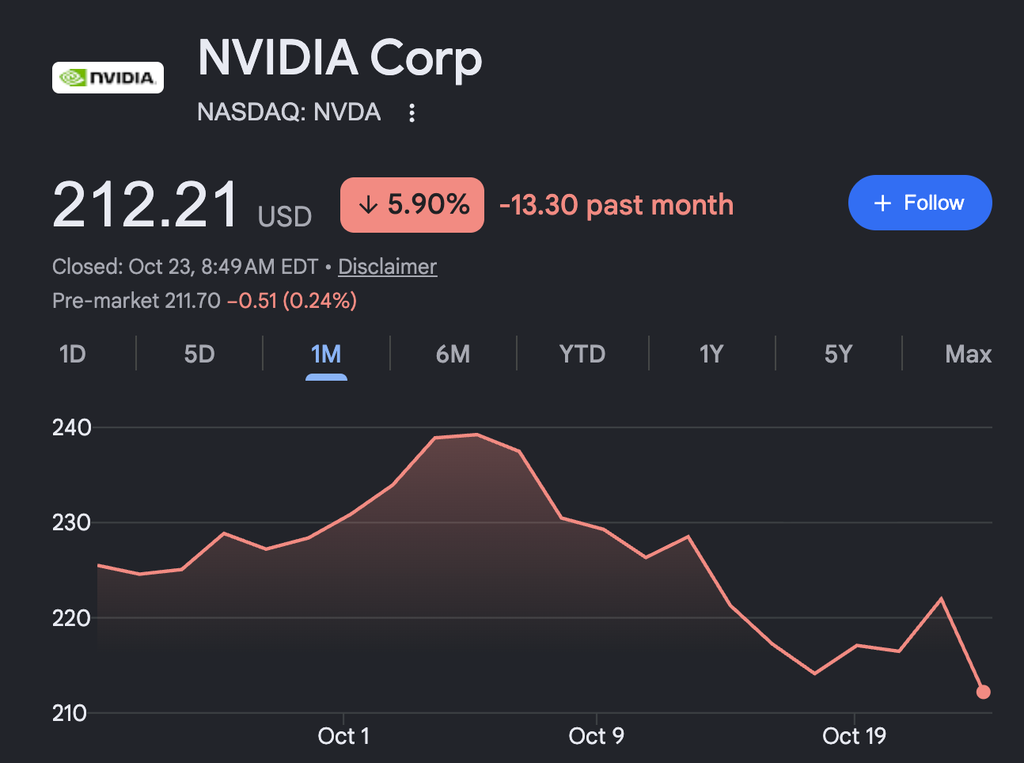
Approaches to Strategic Capital Allocation and Long-Term Forecasts for Hardware Equities
In order to navigate the risks associated with semiconductors and cloud computing, institutional asset managers must carefully strike a balance between the high demand for hardware and the credit risks that are present across debt-funded processor providers.
Portfolio managers are able to capitalise on structural sector growth while simultaneously mitigating the risks of debt default by establishing core positions in market-leading hardware suppliers and selectively managing exposure to unrated leasing platforms.
A strong quantitative framework for optimising risk-adjusted returns across technology holdings can be built by keeping an eye on data centre buildout velocities, power grid interconnection schedules, and corporate working capital reserves.
Choosing hardware innovators that can standardise complicated computing stacks into scalable industrial products is crucial for ensuring a sustainable capital appreciation across technology equities over several years.
When the market experiences temporary pullbacks, institutional investors have the opportunity to build long-term positions in essential technology networks by amassing category-defining infrastructure providers.
It is possible to ensure that technology leaders continue to generate compounding equity value across a variety of macroeconomic environments by giving priority to energy-efficient hardware architectures, strategic partnerships with regional states, and balance sheet liquidity.