

Major social media conglomerates are launching new autonomous AI agents capable of executing complex financial tasks for retail users, signalling a fundamental transformation of the personal technology markets.
Quantitative insights are provided on how digital platforms are reshaping personal financial management through the examination of automated budgeting tools, subscription audit protocols, and the risks associated with consumer data privacy.
When it comes to managing household cash flows and digital banking credentials, it is necessary to weigh the convenience of automated systems against the growing number of cybersecurity potential threats.
A senior market analyst at Raymin Group highlights that autonomous financial assistants lower consumer barriers to budgeting and expense reduction, but introduce complex data-sharing risks when linking accounts to third-party servers.
As the integration of artificial intelligence becomes more widespread across consumer applications, it is becoming increasingly important for households that are concerned about risk to evaluate data encryption standards.
Consumer Adoption Metrics and Agentic Ecosystem Scaling
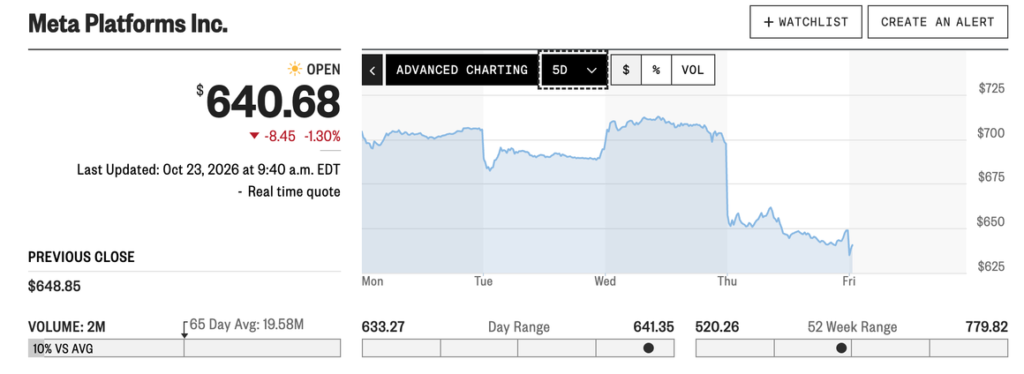
Technology conglomerate Meta Platforms reported rapid user adoption for its personal artificial intelligence assistant, Muse, with more than 10 million active users across domestic and international markets within weeks of its commercial rollout.
Executive leadership outlined ambitious long-term scaling targets, projecting that the active user base will eventually exceed 1 billion participants as agentic workflows become standard across mobile operating systems.
During recent corporate earnings disclosures, management announced plans to monetize agentic workflows by collecting nominal transaction fees on commercial checkouts, establishing a new recurring revenue stream outside traditional digital advertising.
Automated Budgeting and Spending Optimization Features
Designed to operate beyond simple conversational prompts, the assistant connects directly with linked banking accounts to analyze spending patterns, categorize monthly expenses, and formulate customized household budgets.
By continuously monitoring transaction histories, the software identifies recurring leakages and recommends specific areas where consumers can curtail discretionary outlays.
To drive consumer engagement, corporate executives launched social media engagement campaigns, challenging community users to achieve $1,000 in cumulative savings by leveraging automated subscription cancellations and expense optimization.
Subscription Audits and Unclaimed Property Recovery
Beyond basic expense tracking, the digital assistant performs comprehensive periodic audits of recurring subscriptions, flagging forgotten digital memberships and unused software licenses. If a free trial period approaches expiration without manual cancellation, the agent initiates cancellation workflows or prompts the user for authorization.
Additionally, the system scans state and federal online databases for unclaimed property, identifying forgotten financial assets, overpaid utility balances, or legacy bank accounts, and automatically initiates administrative claim filings on behalf of the user.
Bill Negotiation Protocols and Automated Price Matching
Leveraging direct integration with billing platforms, the software reviews recurring utility and telecommunications statements to detect billing errors, duplicate charges, or promotional rate expirations. When cheaper competing rates are identified, the agent contacts service providers directly or schedules conference calls to negotiate lower billing tiers.
Before authorizing any financial transaction or service modification, the platform enforces strict security checkpoints, presenting purchase details and requiring explicit user confirmation before executing orders.
Data Security Architecture and Consumer Privacy Risks
Despite advanced utility, cybersecurity experts express caution regarding the risks of granting third-party artificial intelligence systems deep access to sensitive banking credentials. Independent privacy organizations emphasize that the legal and operational implications of cross-platform financial data sharing remain largely untested.
While corporate disclosures confirm that passwords and payment methods are stored using advanced encryption protocols, executive leadership acknowledges that automated software systems remain vulnerable to sophisticated cyber attacks and occasional processing errors.
Manual Workarounds for Privacy-Conscious Consumers
For individuals hesitant to link active banking credentials to external servers, the platform supports manual document uploads, allowing users to analyze redacted monthly PDF statements. This alternative workflow enables households to generate detailed spending categories and subscription audits without exposing active login credentials.
Adopting a hybrid approach ensures that privacy-minded consumers benefit from advanced algorithmic insights while retaining absolute control over sensitive personal financial data.
Implications for the wealth management and institutional strategy industries
Financial services analysts note that the proliferation of consumer-facing artificial intelligence agents is forcing traditional retail banks to upgrade their proprietary mobile applications and open banking application programming interfaces.
As automated agents mediate routine consumer transactions, financial institutions must adapt to algorithmic interactions rather than traditional branch-based client acquisition.
Tracking consumer software adoption metrics, mobile banking application programming interface traffic, and cybersecurity compliance expenditures provides a clear framework for monitoring fintech disruption across global banking sectors.
How AI-based personal finance tools will change over time
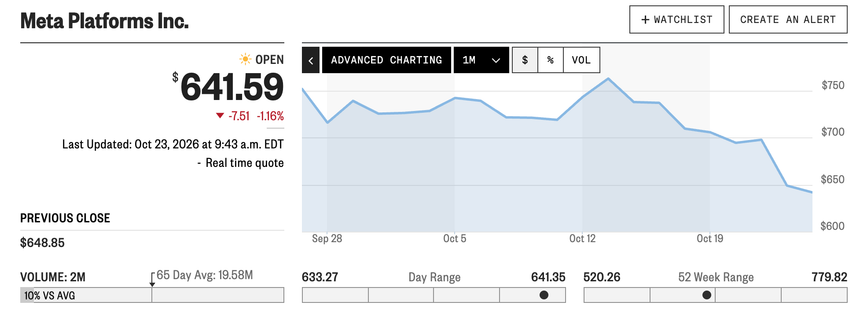
Building sustainable utility in consumer financial technology relies on delivering measurable savings while maintaining uncompromising data security standards. Integrating automated budgeting assistants with secure banking architecture enables retail users to optimize household balance sheets effectively over multi-year cycles.
Maintaining a disciplined focus on data privacy, transaction transparency, and robust encryption protocols ensures that autonomous wealth management technologies deliver enduring value for digital consumers.