
Canadian retirees holding RRSPs and RRIFs face a rule most never plan for early enough. Once a Registered Retirement Savings Plan converts to a Registered Retirement Income Fund, the government sets a minimum withdrawal amount each year. That amount rises with age, regardless of what the market is doing.
This week offered a clear example of the tension. The Nasdaq Composite slid roughly 0.9 percent to near 26,039 during Monday’s session, dragged lower by a steep selloff in semiconductor names.
A forced RRIF withdrawal during a week like that means selling assets at a lower price than a retiree might otherwise choose. A wealth advisor at Prime Lake Capital calls this one of the most overlooked risks in Canadian retirement planning.
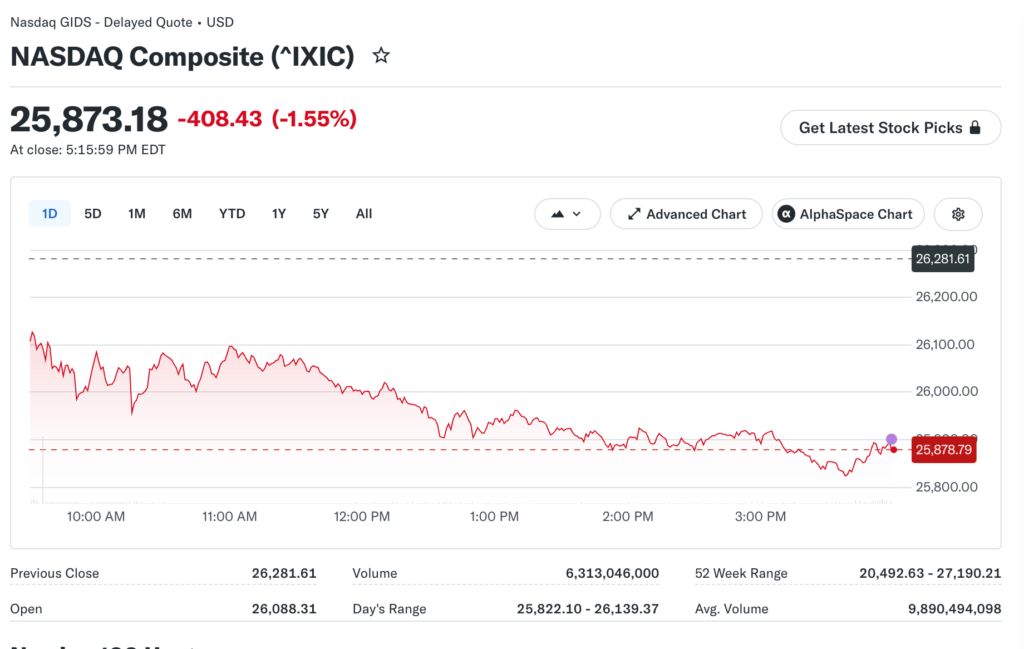
Why forced withdrawals hurt more in down markets
The RRIF minimum withdrawal percentage climbs steadily with age, reaching well above 6 percent by the mid-seventies and continuing higher after that. There is no exception for market conditions.
A retiree forced to withdraw during a downturn effectively locks in a loss on whatever is sold that year. Over multiple bad years, this can meaningfully shrink the portfolio’s ability to recover. Withdrawal timing within the year also matters more than most retirees realize.
Building a buffer before the withdrawal is forced
Advisors generally recommend holding one to three years of expected RRIF withdrawals in more stable, liquid assets. That buffer allows a retiree to draw from cash or short-term instruments during a rough market stretch instead of selling equities at a discount.
Some practical approaches include setting aside a cash reserve sized to near-term withdrawal requirements, using short-duration bonds as a secondary buffer with modest yield, and reviewing the buffer annually rather than only at conversion age.
None of these approaches eliminates market risk entirely. They simply reduce the odds of being forced to sell at the worst possible moment.
Where alternative assets can help
Alternative investment strategies are increasingly part of Canadian retirement conversations, particularly for retirees with larger portfolios who want income streams less tied to public equity swings. Private credit and portfolio-backed lending structures are two examples advisors point to.
These are not guaranteed and carry their own risks, including reduced liquidity compared to publicly traded holdings. A senior advisor at Prime Lake Capital notes that the goal is balance, not replacement of a retiree’s core equity and fixed income allocation.
The transparency gap in RRIF planning
Many retirees do not fully understand how their RRIF minimum is calculated or how it will change as they age. That gap in transparency creates surprises at the worst possible time, often during a year when markets are already under pressure.
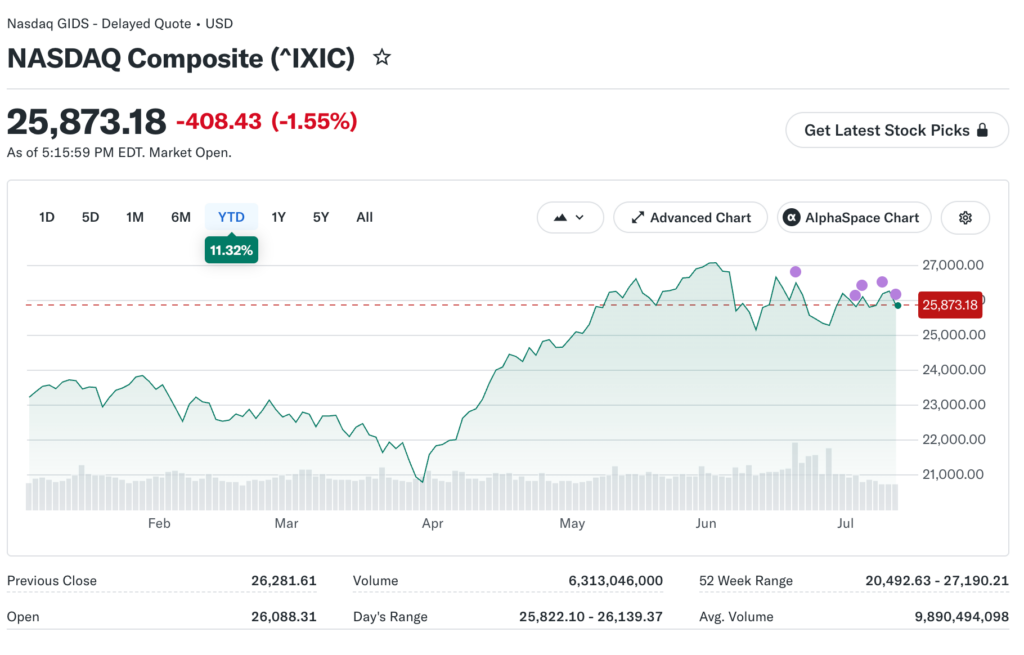
A clear annual review, ideally before the RRIF conversion happens, gives retirees a realistic picture of what future withdrawals will look like under different market scenarios. This kind of planning matters more in years like this one, when equity markets have shown real swings within a single trading session.
The tax timing dimension few retirees plan around
RRIF withdrawals count as taxable income the year they are received, which means the timing of a withdrawal can push a retiree into a higher tax bracket if not planned carefully. Combining a large mandatory withdrawal with other income sources in the same year sometimes creates a larger tax bill than a retiree expected.
Spreading withdrawals more evenly, or coordinating them with other income in lower-income years, can reduce this effect. Tax timing deserves the same attention retirees give to investment selection, since both affect how much income actually reaches the retiree.
Why a written plan matters more than a general strategy
A general understanding of RRIF rules is not the same as a written plan that accounts for a specific retiree’s asset mix, tax situation, and expected longevity. Portfolio management built around a documented withdrawal schedule gives a retiree a clear reference point during a volatile week, rather than a reactive decision made under pressure.
This matters because markets rarely give advance notice before a sharp move. The kind of session Canadian retirees saw this Monday, with tech stocks under pressure, is a reminder that a written plan built in calmer conditions tends to hold up better than one improvised during a downturn.
What Comes Next for RRIF Holders
Bank of Canada policy, U.S. inflation data, and the ongoing volatility tied to geopolitical tension in the Middle East will all influence how markets behave through the rest of the year. Oil prices rose roughly 5 percent this week alone on renewed U.S.-Iran tension, a reminder that external shocks can arrive without warning.
For RRIF holders, the practical takeaway is not to predict every market move. It is to build a withdrawal structure resilient enough to absorb a bad year without permanently damaging long term retirement income. That structure, built well before the first mandatory withdrawal, tends to matter far more than any single market headline.