
A steep selloff in semiconductor stocks this week left many investors facing an uncomfortable choice.
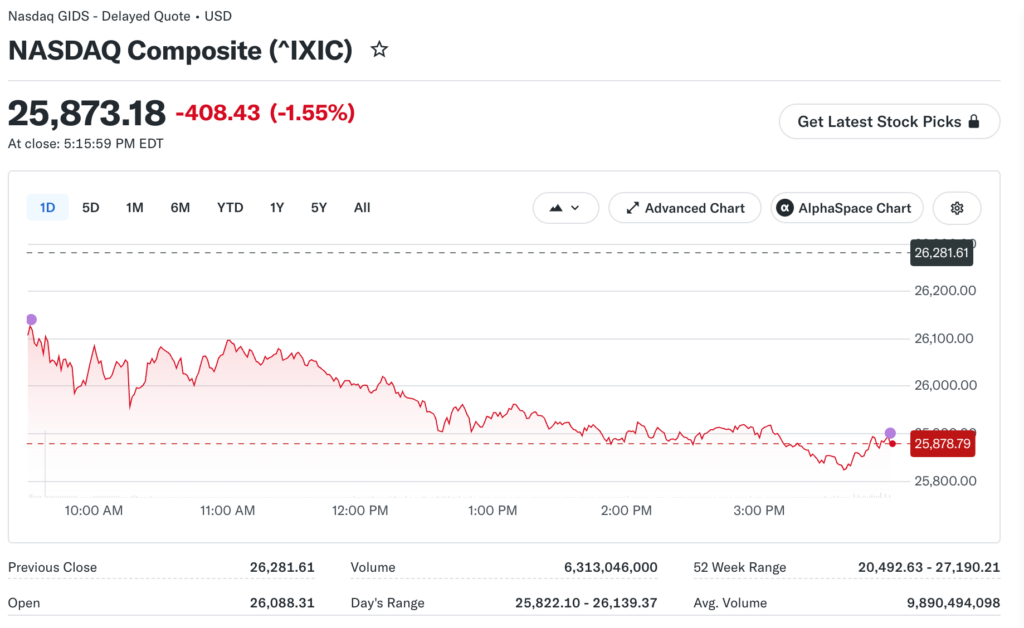
The Nasdaq Composite slid close to 0.9 percent on Monday, and several major chip names fell far more sharply after a record single-day drop of over 15 percent in a leading Asian memory chip producer. For an investor who needs cash but does not want to sell shares near a local low, that timing is painful.
Portfolio-backed lending offers a different path. Rather than selling assets during a downturn, an investor borrows against the value of an existing portfolio, using it as collateral. A wealth advisor at Prime Lake Capital says interest in this structure tends to rise noticeably during volatile weeks like this one.
How the structure actually works
A portfolio-backed loan allows an investor to access liquidity while keeping the underlying securities invested. The portfolio continues to participate in any future gains, and the loan is repaid on the investor’s own schedule, subject to the lender’s terms.
This is not without risk. If the portfolio’s value falls significantly, a lender may require additional collateral or partial repayment, a situation known as a margin call in some structures. Investors should understand these terms fully before using this kind of liquidity.
Why this matters more for concentrated holdings
Investors holding a large, appreciated position in a single stock face a particular challenge. Selling that position to raise cash can trigger a significant tax event and permanently reduce future upside if the stock recovers.
Portfolio-backed liquidity lets an investor address a near-term cash need, such as a real estate purchase or a business opportunity, without disturbing a long-held position. This approach has long been available to institutional and ultra-high-net-worth clients and is becoming more accessible to a broader range of private investors.
What this week’s volatility illustrates
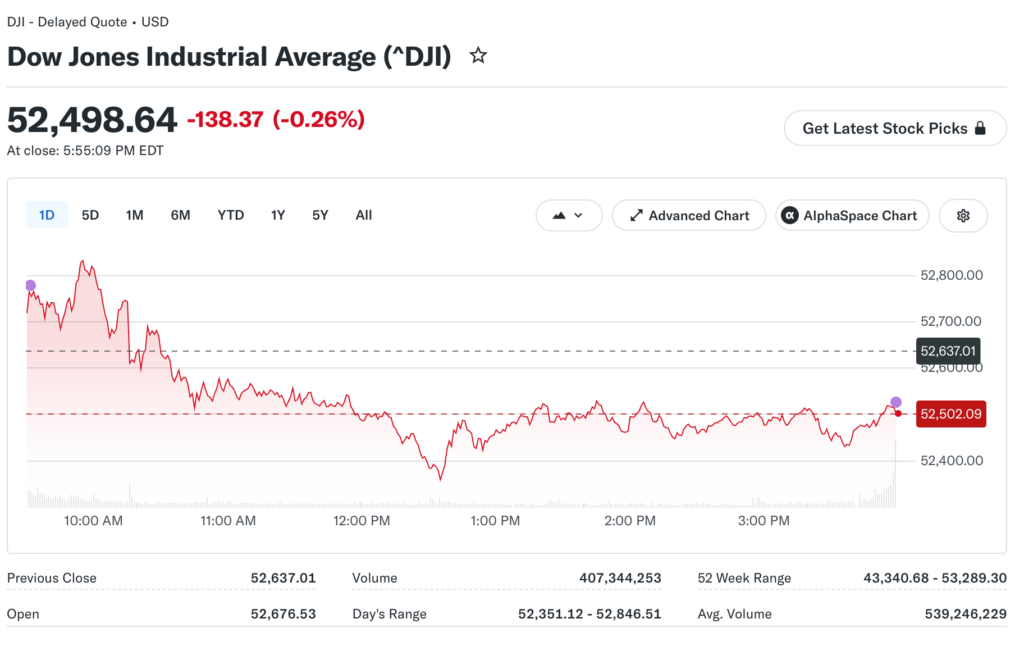
Energy stocks helped cushion the broader market Monday as oil prices jumped roughly 5 percent on renewed Middle East tension, even as tech names slid. The Dow Jones Industrial Average held up better than the Nasdaq, closing the gap between sectors that are moving in very different directions right now.
An investor with concentrated tech exposure watching this kind of sector split may feel pressure to sell into weakness simply to raise cash elsewhere. A portfolio-backed structure removes that pressure, at least for near-term liquidity needs.
The questions to ask before using this structure
Not every portfolio qualifies, and not every lender offers the same terms. Investors evaluating this option should ask what loan-to-value ratio applies to the specific holdings in the portfolio, how collateral requirements change if portfolio value declines meaningfully, and whether the lending relationship sits with the same firm managing the portfolio, since that affects transparency.
A portfolio strategist at Prime Lake Capital notes that clear, upfront terms matter more than the headline interest rate when evaluating this kind of facility.
Comparing this to a traditional home equity approach
Many investors already understand the basic concept through home equity lines of credit, where a homeowner borrows against a property’s value without selling it. Portfolio-backed lending applies a similar logic to an investment portfolio instead of real estate.
The key difference is volatility. A home’s value rarely swings sharply within a single week, while a securities portfolio can, as this Monday’s session demonstrated. That added volatility is exactly why collateral terms and margin call provisions deserve careful review before an investor relies on this kind of facility for a significant need.
Who this structure tends to suit best
Portfolio-backed lending generally works best for investors with a diversified, relatively liquid portfolio and a clear, near-term use for the borrowed funds. It suits situations like bridging a real estate purchase, funding a business opportunity, or covering a temporary cash need without disrupting a long-term investment strategy.
It suits fewer situations where an investor’s portfolio is already concentrated in a single volatile sector, since that same volatility affecting the underlying holdings also affects the loan’s collateral value.
A wealth advisor at Prime Lake Capital reviews portfolio composition carefully before recommending this structure to any client, weighing diversification, existing debt, and near-term cash flow needs together rather than in isolation.
Liquidity Without Letting Go
Markets will keep producing weeks like this one, where a single sector selloff creates pressure to raise cash at an inconvenient moment. For investors sitting on meaningful, long-held positions, the more durable answer is not always to sell.
Understanding how portfolio-backed lending works, including its real risks, gives investors another tool before defaulting to a sale they may later regret. That kind of flexibility, built into a plan ahead of time, tends to matter most exactly when markets look like they did this week.