
Nvidia shares suffered a bruising 9.26% decline on November 5, plunging to $181.60 in the aftermath of the US midterm elections.
The sell-off, driven by concerns over heightened technology regulation under the incoming congressional majority, has shaved more than $400 billion from the chipmaker’s market capitalization in a single session, marking one of the largest daily value destructions in US equity market history.
Sylverix analysts highlight that the timing could not be more consequential. With third-quarter fiscal year 2027 earnings due on November 17, the market is weighing the company’s undeniable growth trajectory against the risk that regulatory headwinds could constrain its ability to serve global AI infrastructure demand.
The stock closed at $188.72 on November 9, recovering partially from the post-midterm lows but remaining well below recent highs.
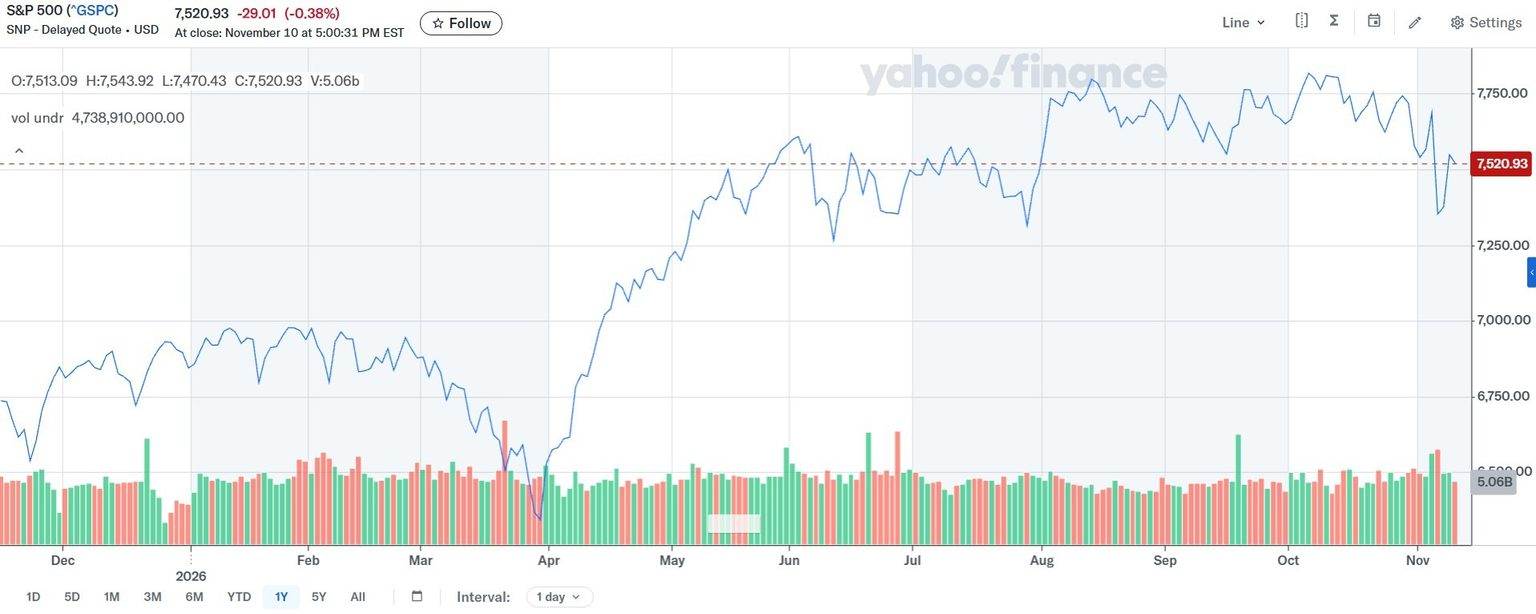
From Record Highs to a 25% Drawdown
The stock reached an all-time high of $243.37 on October 6, briefly pushing Nvidia’s market capitalisation above $4.6 trillion and cementing its position as one of the most valuable companies on the planet.
The subsequent retreat has been swift, with the share price giving back roughly a quarter of its value in just over a month. At the November 9 close of $188.72, the stock trades 22.4% below its peak.
From a valuation perspective, the pullback has compressed the price-to-earnings ratio to approximately 23, a level not seen since the early stages of the AI infrastructure build-out.
Analysts remain overwhelmingly bullish, with the consensus target sitting near $327, implying more than 73% upside from current levels.
Of the analysts covering the stock, the vast majority maintain buy ratings, viewing the regulatory-driven sell-off as a buying opportunity rather than a fundamental repricing.
Volume during the November 5 sell-off was extraordinary, with turnover exceeding several times the 90-day average. This level of participation suggests institutional repositioning rather than retail panic.
Short interest in Nvidia shares has climbed to its highest level since the start of the AI rally, with bearish bets concentrated around the thesis that regulatory action could constrain the addressable market.
The cost to borrow shares has risen accordingly, adding friction for new short positions while increasing the potential energy for a squeeze if earnings deliver a positive surprise.
Earnings Preview: The Numbers That Matter
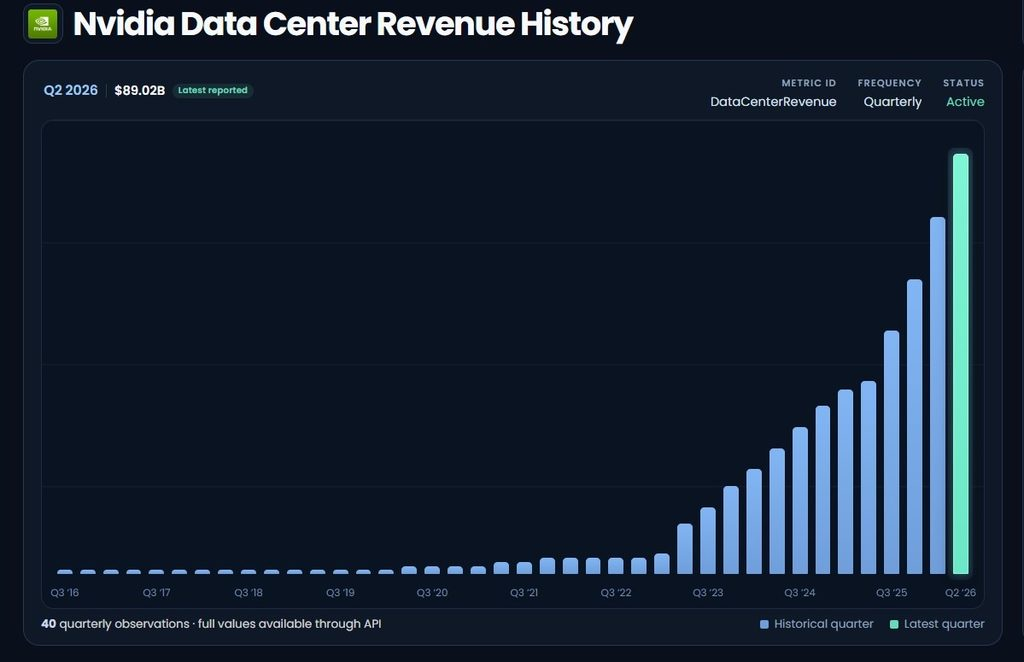
Nvidia’s growth narrative remains exceptional by any measure. Data centre revenue reached $89 billion in Q2, representing a staggering 117% year-over-year increase.
Management has guided for total revenue of approximately $108 billion in Q3, a figure that, if met, would comfortably surpass the full-year revenues of most Fortune 500 companies and reinforce the thesis that artificial intelligence is driving the largest infrastructure cycle since the internet.
The AI infrastructure spending cycle shows no signs of abating. Hyperscaler capital expenditure commitments for 2026 and 2027 continue to expand, with major cloud providers signalling multi-year investment horizons that extend well into the next decade.
Nvidia’s Blackwell architecture has seen demand that management has described as far exceeding initial projections, with supply constraints rather than demand weakness being the binding factor on near-term revenue growth.
The risk, however, lies squarely in the regulatory domain. Proposed restrictions on advanced chip exports, particularly to Chinese data centre operators, could materially impact revenue forecasts for the coming fiscal year.
Any guidance commentary addressing regulatory compliance costs, delayed shipments, or market access limitations will be scrutinised closely by analysts when the earnings call takes place on November 17.
Key Levels and Scenarios for the Earnings Week
Technically, the stock needs to hold the $180 to $182 zone, which marks the post-midterm low and represents the first line of defence for buyers. A failure here would target the $165 area, corresponding to the August consolidation lows where the stock found support during its previous correction.
On the upside, a strong earnings beat accompanied by reassuring guidance could propel shares toward $200 initially, with $215 to $220 representing the next meaningful resistance band that formed during October’s distribution.
Options markets are pricing an implied move of approximately 8% to 10% around the earnings release, reflecting elevated uncertainty that exceeds the stock’s historical average earnings-day volatility.
Given that the stock has already absorbed a 9.26% single-day loss driven by political rather than fundamental factors, the risk of an outsized reaction in either direction remains considerable.
Nvidia stands at the intersection of the two most powerful forces in global markets: the AI infrastructure supercycle and the regulatory response to concentrated technology power.
The Q3 report will not resolve this tension permanently, but it will determine whether the growth story remains strong enough to offset political risk in the near term.
The pullback has created a valuation entry point that the market has not offered in months, but the path to reclaiming record highs runs directly through the regulatory gauntlet that lies ahead.